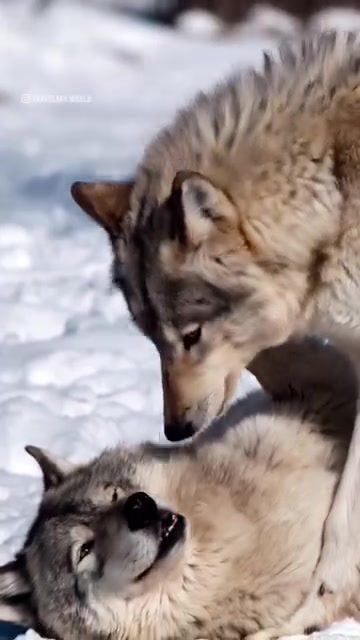
The Majestic Beauty of Wildlife in Winter
Wolves, bald eagles, and bears are some of the iconic symbols of the untamed wilderness of the snowy landscapes. While all these animals have different behaviors and habitat requirements, they share the common ability to thrive in the harsh conditions of winter. In fact, many of these animals are not just surviving, but thriving in these environments, showcasing their resilience and adaptability.
As winter rolls in, the landscape transforms into a serene canvas of white, and the wild animals that call these places home are forced to adapt to the extreme changes. For many creatures, this season brings a new set of challenges, but also a unique kind of beauty.
Why This Matters
The beauty of wildlife in their natural habitat is a subject that captivates many people. The contrast of the serene white snowy landscapes and the rugged beauty of these animals show the resilience and adaptability of these creatures.
Wolves in the Snow
One of the most iconic animals that thrive in the snow is the wolf. Wolves are known for their ability to adapt to harsh environments, and the winter months are no exception. Their thick coats provide insulation from the cold, and their keen senses allow them to hunt effectively even in the deepest snows.
Wolves are pack animals, and their social structure helps them to survive in the harsh conditions of winter. They work together to hunt and protect each other, and their strong bonds are a testament to their resilience. Wolves are well-adapted to cold environments, and their presence in the snowy landscape is a reminder of the untamed wilderness that still exists in many parts of the world.
Bald Eagles in Flight
One of the most majestic sights in nature is a bald eagle soaring through the sky. Bald eagles are a symbol of freedom and strength, and their grace and power are a sight to behold. Bald eagles are well-adapted to cold environments, and their presence in the winter months is a testament to their resilience.
Bald eagles are known for their keen eyesight and strong wings, which allow them to soar effortlessly through the sky. In the winter, they are often seen perched on trees or flying above snowy landscapes, and their graceful movements are a reminder of the beauty of nature.
Bears in the Snow
Bears are another iconic animal that thrives in the snowy landscapes. Brown bears, in particular, are well-adapted to the cold and are often seen resting in the snow. Bears hibernate during the winter months, and their presence in the snowy landscape is a reminder of the tranquility of the winter season.
Bears are a testament to the resilience of wildlife in the face of harsh conditions. They have a thick coat of fur and a layer of fat that helps them to survive the cold winter months. Bears are also able to hibernate, which means they can conserve energy and survive on their fat reserves during the winter.
The Cozy Log Cabin
The log cabin interior, with its rustic charm and cozy atmosphere, is a stark contrast to the wild and untamed landscapes of the snowy wilderness. However, some of the same elements that make these cabins appealing also reflect the resilience and adaptability of wildlife.
Large windows offer a view of the snowy landscape, and a comfortable chair with a patterned pillow and a small table with decorative items create a warm and inviting atmosphere. The view of the snowy landscape enhances the cozy atmosphere, and the log cabin offers a rustic and charming aesthetic that is perfect for winter.
Practical Tips for Enjoying Winter Wildlife
Winter is a great time to observe wildlife in their natural habitat. Here are a few tips to help you make the most of your winter wildlife viewing experience.
Dress for the Weather
Winter can be cold, so it's important to dress in layers and bring warm clothing. This will help you stay comfortable and enjoy your time outdoors. Additionally, wearing natural colors can help you blend in with your surroundings, making it easier to observe wildlife.
Be Respectful of Wildlife
Wildlife is often more active in the winter months, but it's important to remember that these animals are still wild and should be treated with respect. Keep a safe distance from all wildlife, and never approach or feed wild animals. By doing so, you can help ensure that these animals remain healthy and safe.
Bring the Right Equipment
Binoculars and a camera with a good zoom lens can help you get a closer look at wildlife without disturbing them. A pair of binoculars can also help you spot animals from a distance, making it easier to observe them without getting too close.
Plan Ahead
Before heading out, research the area and learn about the types of wildlife that can be found there. This will help you know what to look for and make the most of your time outdoors.
Important Takeaways
Wolves, bald eagles, and bears are some of the most iconic animals that thrive in the snowy landscapes. Their presence in these environments is a testament to their resilience and adaptability. The beauty of wildlife in their natural habitat is a sight to behold, and winter offers a unique opportunity to observe these animals in their element. By following a few simple tips, you can make the most of your winter wildlife viewing experience and appreciate the beauty of nature.
Conclusion
Winter is a magical time of year, and the beauty of wildlife in their natural habitat is a sight to behold. Wolves, bald eagles, and bears are just a few of the many animals that thrive in the snowy landscapes, and their presence is a testament to the resilience and adaptability of wildlife. By dressing for the weather, being respectful of wildlife, bringing the right equipment, and planning ahead, you can make the most of your winter wildlife viewing experience and appreciate the beauty of nature.
Watch the Reel
Questions readers ask
How do wolves adapt to survive in snowy landscapes during winter?
Wolves adapt to winter conditions by growing a thicker coat for insulation, changing their hunting strategies, and increasing their activity during the shorter daylight hours. They also have evolved behavioral traits such as traveling in packs to conserve energy and share warmth. Their resilience makes them stand out in cold, snowy landscapes.
What do bald eagles, a winter bird species, do in snowy landscapes?
Bald eagles are well-adapted to winter environments. They have a unique ability to use their keen eyesight to spot prey through the snow. They also have thick insulation feathers, and their hollow bones help them conserve energy during the coldest months. They are often seen near open water sources, where they can find food more easily.
How do bears behave in winter, particularly in snowy landscapes?
Bears exhibit remarkable adaptability in winter. While some species hibernate, others remain active, foraging for food under the snow. The seasonal changes in weather force them to find effective ways to maintain their energy levels and body heat. Their ability to navigate and survive in these conditions highlights their resilience.
What challenges do animals like wolves, eagles, and bears face in winter and how do they overcome them?
Animals like wolves, eagles, and bears face challenges such as scarce food resources, extreme cold, and shorter daylight. Wolves hunt in packs to increase their success rate. Eagles use their sharp vision and energy-conserving flight techniques. Bears adapt by hibernating or foraging efficiently. These behaviors showcase their resilience and adaptability to survive during the most challenging winter months.
Why are wolves, eagles, and bears notable for their survival in snowy landscapes?
These animals are notable for their survival in snowy landscapes due to their unique adaptations, which allow them to thrive in harsh winter conditions. Wolves, for example, are known for their pack behavior and effective hunting strategies. Eagles have exceptional vision and flight skills, while bears exhibit remarkable hibernation and foraging abilities, making them iconic symbols of winter resilience.
What is the significance of studying wolves, eagles, and bears in winter?
Studying these animals in winter provides insights into their survival strategies and biological adaptations. Understanding the ways wolves, eagles, and bears navigate cold, snowy landscapes contributes to a broader knowledge of wildlife behavior and ecology. This can help in conservation efforts and foster an appreciation for the natural world and its residents during the toughest times of the year.
How does the landscape change for winter wildlife, and how do these animals adapt to it?
The landscape transforms into a serene, white environment with challenges such as snow cover, limited food sources, and extreme cold. Wolves, eagles, and bears adapt by using their unique abilities and behaviors to navigate and thrive in these conditions. Wolves form packs, eagles use their vision for hunting, and bears hibernate or forage under the snow, showcasing their resilience and adaptability.
Related deep dives
Similar reads based on topic and creator.




Recent articles
Fresh deep dives from the latest Reels we unpacked.




Comments
Be the first to comment.