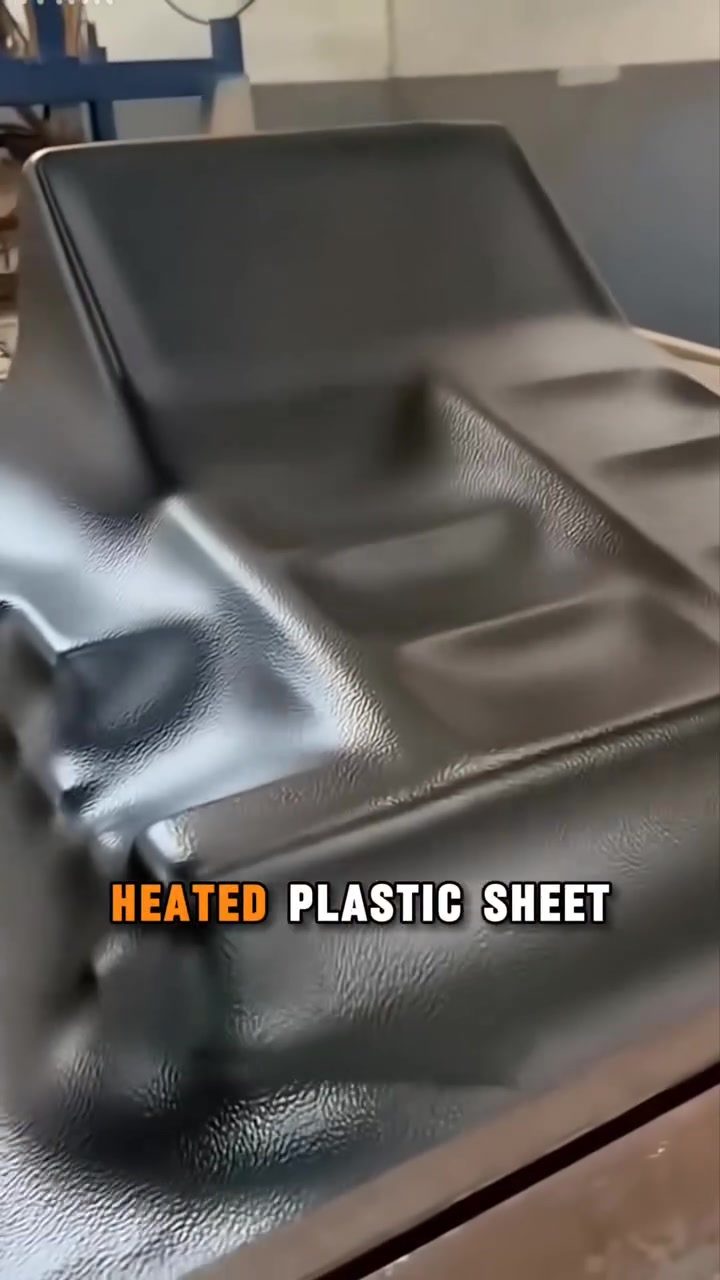
Car Floor Mat Manufacturing: The Art of Vacuum Forming
Car floor mats are an essential component of modern vehicles, providing both functionality and aesthetic appeal. But have you ever wondered how these mats are manufactured to perfectly mimic the intricate details of a car's interior? The process involves a fascinating technique called vacuum forming, which allows for the precise replication of even the smallest details.
Why This Matters
Understanding the manufacturing process of car floor mats is crucial for appreciating the craftsmanship and technology behind automotive interiors. This process not only ensures durability and fit but also enhances the overall driving experience.
Main Discussion
The Basics of Vacuum Forming
Vacuum forming is a manufacturing process used to create plastic parts by heating a thermoplastic sheet until it becomes pliable, then using a vacuum to force the softened plastic into a mold. This method is ideal for producing parts with intricate details and specific shapes, such as car floor mats, interior panels, and food trays. There are several key steps in the vacuum forming process, each crucial for achieving the desired outcome.
Heating the Thermoplastic Sheet
The first step in vacuum forming is heating a thermoplastic sheet until it becomes soft and flexible. This process involves placing the sheet in an oven or heating element, where it is heated to a specific temperature. The exact temperature depends on the type of plastic being used. Common materials for this process include PVC (polyvinyl chloride) and ABS (acrylonitrile butadiene styrene), which are perfect for their flexibility and durability.
Placing the Sheet Over the Mold
Once the thermoplastic sheet is heated and pliable, it is carefully placed over a mold. The mold is designed to the exact specifications of the desired product, ensuring that every detail is replicated perfectly. The mold can be made from various materials, including metal, wood, or even 3D-printed prototypes, depending on the complexity and quantity of the product.
Creating a Vacuum
The next step involves creating a vacuum between the thermoplastic sheet and the mold. A vacuum pump is used to remove the air from the space between the sheet and the mold, creating a pressure difference. This difference causes atmospheric pressure to push down from all directions, forcing the softened plastic tightly against the mold. This process is often compared to an "invisible hand" that shapes the plastic to match the mold's contours perfectly.
Cooling and Ejection
After the plastic has been forced against the mold, it is allowed to cool and harden. Cooling is critical because it sets the plastic in its new shape, ensuring that all details are permanently in place. Once the plastic has cooled sufficiently, it is ejected from the mold, and the final product is ready for further processing, such as trimming or additional finishings.
Practical Tips for Vacuum Forming
For those interested in vacuum forming, whether for hobby projects or industrial applications, here are some practical tips to ensure success:
Choose the Right Materials
Selecting the right thermoplastic material is crucial for achieving the desired results. PVC and ABS are popular choices due to their flexibility and durability, but other materials like polycarbonate or polyethylene may be more suitable for specific applications.
Invest in Quality Molds
High-quality molds are essential for producing precision parts. Consider using aluminum or steel molds for durability and longevity, especially if you plan to produce a large quantity of parts.
Control the Heating Process
Proper heating is critical to the success of vacuum forming. Ensure that the thermoplastic sheet is heated uniformly to avoid uneven stretching or warping. Use a temperature-controlled oven or heating element to achieve consistent results.
Optimize Vacuum Pressure
The vacuum pressure should be adjusted based on the thickness and type of the thermoplastic sheet. Too much pressure can cause the plastic to tear, while too little may result in insufficient detail transfer. Experiment with different pressure settings to find the optimal balance for your specific application.
Cooling Techniques
Rapid cooling can sometimes cause stress in the plastic, leading to warping or cracking. Allow the plastic to cool gradually to ensure that it retains its shape and maintains the desired details.
Important Takeaways
Vacuum forming is a versatile and efficient manufacturing process that allows for the precise replication of intricate details on plastic parts, such as car floor mats. By understanding and mastering the key steps—heating, placing, vacuum creating, and cooling—the process becomes a highly effective method for producing durable and aesthetically pleasing products. This technique is not only used in the automotive industry but also in various other sectors, making it a valuable skill for manufacturers and hobbyists alike.
Conclusion
The manufacturing process of car floor mats through vacuum forming highlights the intricate balance of science and craftsmanship. By leveraging the properties of thermoplastic materials and the power of vacuum pressure, manufacturers can create products that are not only functional but also visually appealing. Whether you are a professional in the automotive industry or a hobbyist exploring new techniques, vacuum forming offers a world of possibilities for creating high-quality, detailed plastic parts.
Watch the Reel
Questions readers ask
What materials are commonly used in the vacuum forming process for car floor mats?
The most commonly used materials in the vacuum forming process for car floor mats are thermoplastic sheets. These materials, such as polyethylene, polypropylene, and ABS, are favored for their durability, flexibility, and ability to be heated and shaped precisely. The choice of thermoplastic can depend on the specific requirements of the car interior, such as resistance to wear and tear, or specific aesthetic qualities.
How does the vacuum forming process ensure a perfect fit for custom car floor mats?
Vacuum forming ensures a perfect fit for custom car floor mats by using a mold that precisely replicates the intricate details of a vehicle's interior. The thermoplastic sheet is heated and then draped over this mold. A vacuum is applied, which pulls the plastic tightly against the mold, capturing every contour and detail. This results in a floor mat that fits seamlessly into the car's interior, providing both functionality and aesthetic appeal.
What advantages does vacuum forming offer in the production of car floor mats?
Vacuum forming offers several advantages in the production of car floor mats. It allows for high precision and detail, ensuring that the mats fit perfectly within the vehicle's interior. The process is cost-effective for mass production and can be completed relatively quickly. Additionally, vacuum forming enables the creation of durable, long-lasting floor mats that can withstand the rigors of daily use.
Can vacuum forming be used for other car accessories besides floor mats?
Yes, vacuum forming can be used for a variety of car accessories beyond just floor mats. This versatile process can also create vacuum formed trays, custom fit car mats, and other molded car interior accessories. The same principles of heating and shaping thermoplastic sheets can be applied to produce a range of products that require precise fitting and durability.
What role does heating play in the vacuum forming process for car floor mats?
Heating is a crucial step in the vacuum forming process for car floor mats. The thermoplastic sheets are heated to a specific temperature that makes them malleable. This allows the sheets to be easily shaped over the mold. Once the plastic is heated, it can be precisely formed to match the intricate details of the car's interior. After cooling, the plastic retains its new shape, ensuring a perfect, durable fit.
What are the key steps in the vacuum forming car mats process?
The key steps in the vacuum forming process for car mats include: preparing the thermoplastic sheet, heating the sheet to a malleable state, placing the sheet over a mold that replicates the car's interior, applying a vacuum to pull the heated plastic tightly against the mold, allowing the plastic to cool and solidify, and then removing the newly formed floor mat from the mold. This process ensures that the final product fits precisely and retains its shape over time.
How does vacuum forming compare to other methods of producing car floor mats?
Vacuum forming is often preferred over other methods of producing car floor mats due to its ability to capture fine details and provide a precise fit. Unlike injection molding, which requires expensive molds and is less flexible for customization, vacuum forming uses simpler, less costly molds and allows for easier adjustments. This makes it a more efficient and economical choice for producing custom fit car mats and other plastic floor mats for cars.
Recent articles
Fresh deep dives from the latest Reels we unpacked.




Comments
Be the first to comment.