Socotra Island: A Journey to One of the Most Otherworldly Places on Earth
Socotra Island, located off the coast of Yemen in the northwestern Indian Ocean, is renowned for its extraordinary and alien-like landscape. The island's extreme isolation has fostered a unique ecosystem, making it a haven for plant and animal species found nowhere else on Earth.
Context / Why This Matters
Socotra's remarkable ecosystem is a result of its long-term isolation. About 37 percent of its plant species are endemic, meaning they are not found anywhere else in the world. This makes the island a treasure trove for botanists and nature enthusiasts alike. The island’s biodiversity is so exceptional that it has earned the nickname "the Galápagos of the Indian Ocean."
The Unique Landscape
Dragon’s Blood Trees
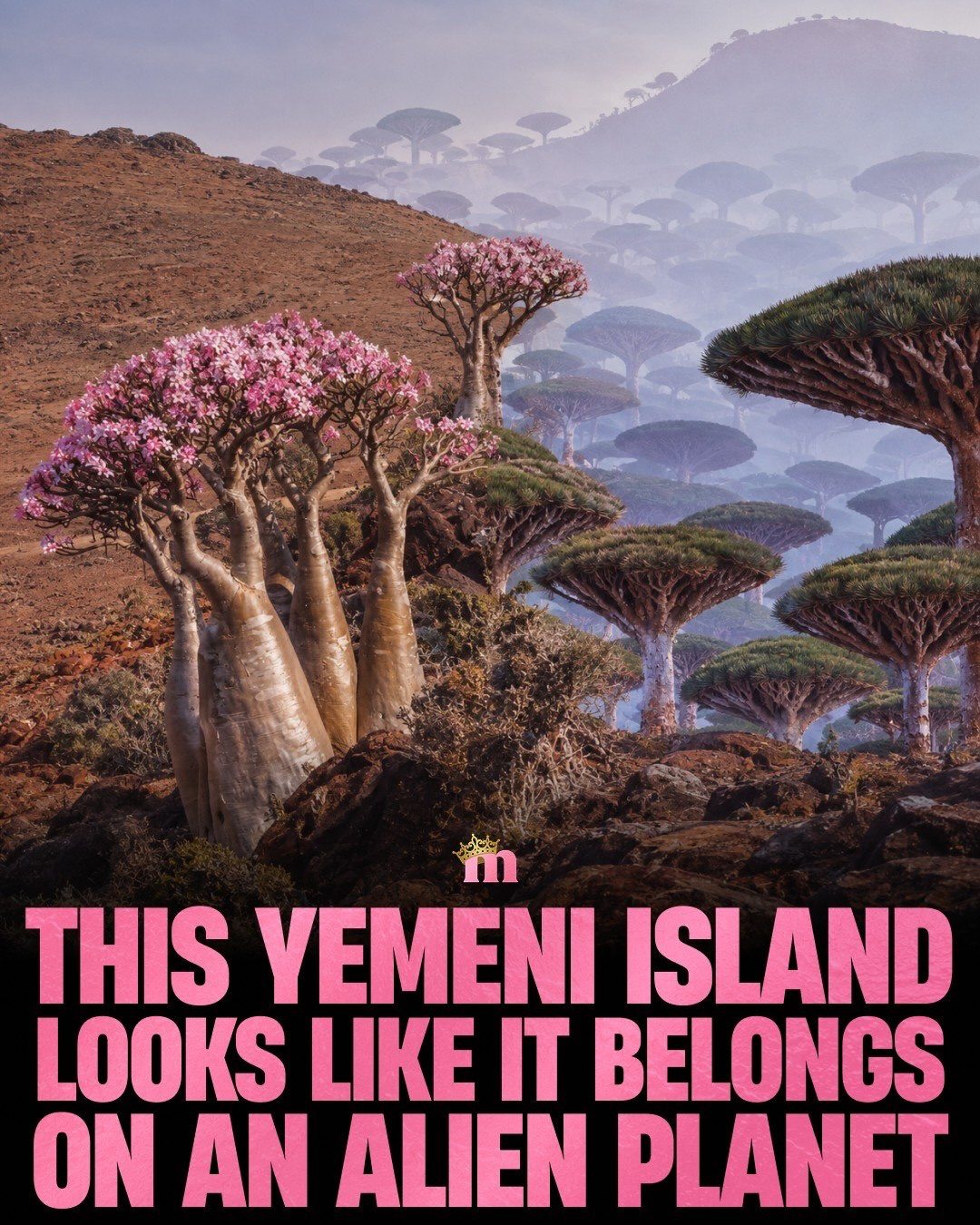
One of the most iconic features of Socotra Island is the Dragon’s Blood tree. This umbrella-shaped evergreen is famous for its deep red sap, which has been historically used in medicine and dyes. The tree's unique appearance and vibrant sap give it an otherworldly charm, fitting for an island often described as alien-like.
Bottle-Shaped Trees
Another striking feature of Socotra's landscape is the bottled-shaped trees with vibrant pink flowers. These trees add to the island's alien-like appearance, making it feel like a scene from another planet. The unique shapes and colors of these trees contribute to the island's dramatic scenery, attracting adventurous travelers from around the world.
Desert Landscapes
The island also boasts vast desert landscapes with sparse vegetation. The distinctive trees with thick trunks and pink flowers stand out against the arid backdrop, showcasing the resilience of life in harsh conditions. These desert landscapes offer a stark contrast to the lush vegetation found in other parts of the island, highlighting its diverse ecosystems.
Marine Life and Underwater Wonders
Stingrays in Crystal-Clear Waters
Socotra's marine life is as extraordinary as its terrestrial flora. The island is surrounded by crystal-clear turquoise waters teeming with vibrant marine life. One of the most breathtaking sights is the aerial view of numerous stingrays swimming gracefully in the water. The pristine waters and vibrant marine life make Socotra a paradise for snorkelers and divers.
Underwater Rock Formations
Beneath the surface, Socotra's underwater world is equally captivating. The exceptionally clear water allows for a detailed view of the seabed, showcasing the beauty and diversity of underwater rock formations. The colorful rocks and stones create a mesmerizing underwater landscape, adding to the island's allure.
Practical Tips for Visiting Socotra
Visiting Socotra Island requires careful planning due to its remote location and the instability on mainland Yemen. Here are some practical tips to help you make the most of your journey:
- Best Time to Visit: The best time to visit Socotra is during the winter months, from October to April, when the weather is milder and more suitable for outdoor activities.
- What to Pack: Bring plenty of water, sunscreen, and hats to protect yourself from the sun. Comfortable walking shoes and lightweight clothing are also essential.
- Safety Precautions: Given the political instability in Yemen, it's crucial to stay informed about the current situation and follow the advice of local authorities. Consider hiring a local guide or joining a guided tour for added safety.
- Accommodation: Accommodation options are limited, so it's advisable to book in advance. Camping and homestays with local families are popular choices.
- Health and Safety: Make sure you have the necessary vaccinations and carry any essential medications. Bring a first-aid kit and stay aware of your surroundings, especially if you plan to explore remote areas.
Important Takeaways
Socotra Island is a must-visit destination for nature lovers and adventure seekers. Its unique landscape, diverse ecosystems, and vibrant marine life make it a truly otherworldly experience. Despite the political challenges, the island's natural beauty and biodiversity are worth the effort to explore.
Conclusion
Socotra Island is a testament to the wonders of nature. From its alien-like landscapes to its rich marine life, the island offers a unique and unforgettable experience. Whether you're a botanist, a photographer, or simply an adventurer, Socotra's extraordinary beauty is sure to leave a lasting impression.
Watch the Reel
Questions readers ask
What makes Socotra Island's landscapes appear so alien?
Socotra Island's landscapes are often described as alien due to their unique and otherworldly appearance. Features such as the distinctive Dragon’s Blood Trees and bottle-shaped trees with vibrant pink flowers contribute to this surreal atmosphere. The island's isolation over millions of years has allowed these unusual plant species to thrive, creating a landscape unlike any other on Earth.
What are the unique plant species found on Socotra Island?
Socotra Island is home to a diverse array of unique plant species, many of which are endemic and cannot be found anywhere else. The iconic Dragon’s Blood Tree—known for its red sap and umbrella-like canopy—is one of the most famous. Additionally, the bottle-shaped trees with vibrant pink flowers are another distinctive feature of the island's flora.
Why is Socotra Island often compared to the Galápagos?
Socotra Island is often compared to the Galápagos due to its exceptional biodiversity and the high percentage of endemic species. About 37 percent of the plant species on Socotra are found nowhere else on Earth, making it a unique destination for nature enthusiasts and adventurers. The island's extreme isolation has led to the evolution of these unique species, similar to the processes that shaped the Galápagos Islands.
What activities can visitors enjoy on Socotra Island?
Visitors to Socotra Island can enjoy a variety of activities that showcase its unique landscapes and biodiversity. Nature walks and hikes through the alien-like landscapes provide opportunities to see the distinctive flora up close. Adventurers can also explore the island's waterways, such as the Arher Beach and the Hoq Cave, for activities like swimming and diving. Camping under the stars in such a unique environment adds to the adventure.
How do I travel to Socotra Island?
Traveling to Socotra Island typically involves a flight from main cities in Yemen, or from international destinations to Aden or Sanaa. From there, a domestic flight is required to reach Socotra. The island is accessible by air, and it is highly recommended to book flights in advance, as they can be infrequent. It is also important to note that travel to Yemen requires a visa, so you will need to arrange this before embarking on your journey.
What is the significance of the Dragon’s Blood Tree on Socotra Island?
The Dragon’s Blood Tree is one of the most iconic and significant plants on Socotra Island. Known for its bright red sap and distinctive umbrella-shaped canopy, this tree is a symbol of the island's unique biodiversity. It has long been a source of curiosity and fascination for visitors, and it plays a crucial role in the island's ecosystem, providing habitat and sustenance for various species.
Are there any unique animal species on Socotra Island?
Yes, Socotra Island is home to a variety of unique animal species, many of which are endemic to the island. Some notable examples include the Socotra Chameleon, the Socotra Sunbird, and the White-Footed Hedgehog. The island's isolation has allowed these species to evolve in unique ways, making it a fascinating destination for those interested in exploring the natural world.
Related deep dives
Similar reads based on topic and creator.




Recent articles
Fresh deep dives from the latest Reels we unpacked.



Comments
Be the first to comment.