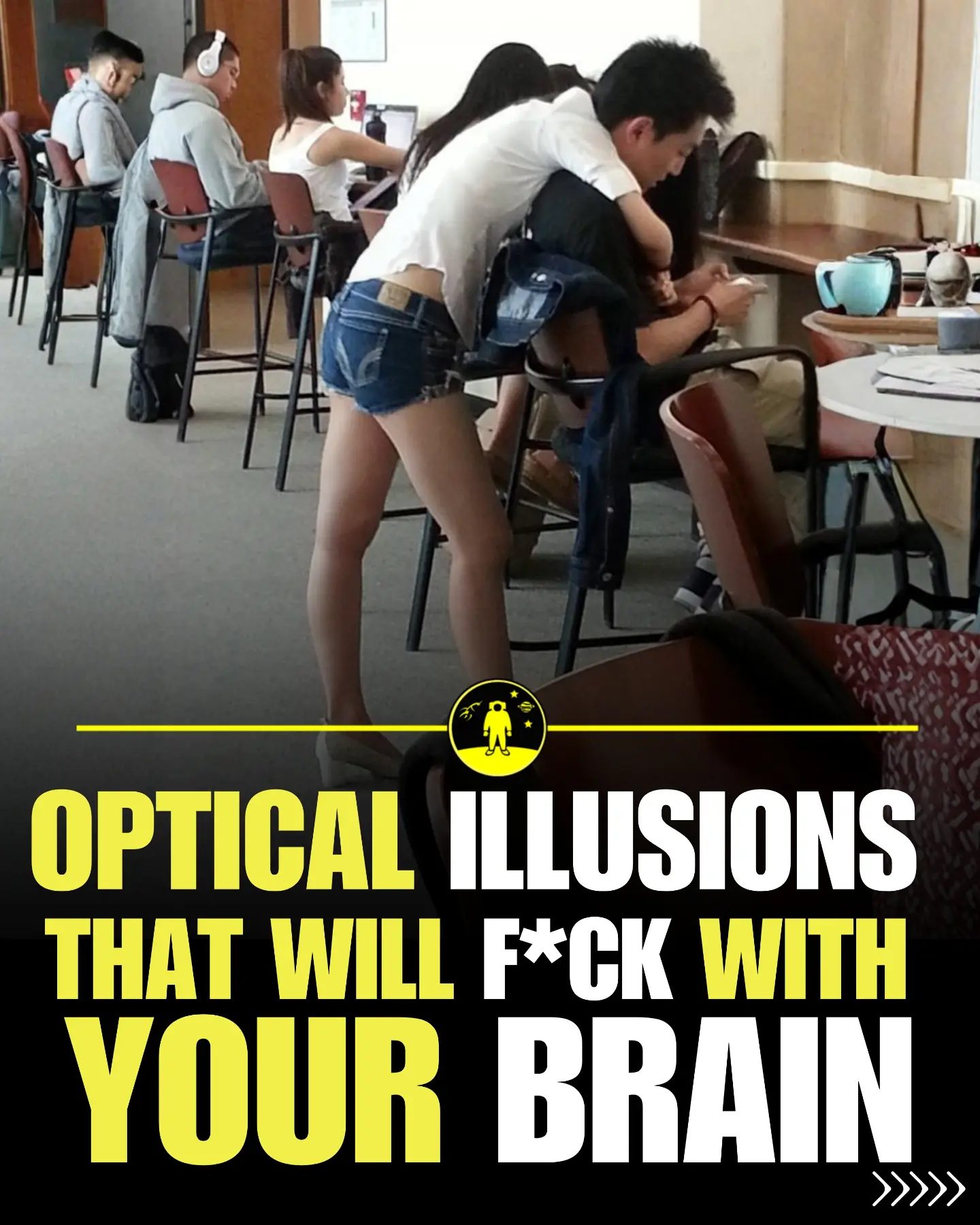
Optical Illusions: How They Fool the Brain
Optical illusions are more than just fun tricks; they provide profound insights into how our brains process visual information. These illusions exploit the brain's tendency to use shortcuts to interpret the world quickly, often leading to perception that does not match reality.
Why This Matters
Understanding optical illusions is about more than just amusement. It offers a window into the complex workings of human perception. By studying these illusions, scientists and psychologists gain valuable insights into perception, attention, and how the visual system functions.
Main Discussion
The Science Behind Optical Illusions
Optical illusions work by exploiting the brain's reliance on shortcuts to interpret visual information. These shortcuts, or cognitive biases, usually help us navigate the world efficiently. However, they can also lead to misperceptions, such as seeing movement in a still image or perceiving different sizes in identical objects.
Types of Optical Illusions
There are several types of optical illusions, each demonstrating different aspects of visual processing:
Impossible Illusions
These illusions, such as the impossible cube or staircase, defy the laws of physics and geometry. The brain struggles to reconcile the impossible shapes, leading to a sense of disbelief and confusion. These illusions challenge our understanding of spatial relationships and highlight the brain's limitations in processing complex visual information.
Color Illusions
Color illusions, like the one with the pears, show how context impacts our perception of color. The surrounding environment, including lighting and contrast, can alter how we perceive colors. This type of illusion underscores the brain's reliance on contextual information to interpret visual data.
How Illusions Affect Perception
Optical illusions reveal that our brains actively construct our visual reality rather than passively recording it. This process involves filling in missing information, making assumptions based on context, and using prior knowledge to interpret visual cues. When these processes lead to misperceptions, it highlights the brain's flexibility and adaptability in processing visual information.
Practical Tips
Observing Illusions
To fully appreciate optical illusions, take your time to observe each one carefully. Pay attention to the details and try to identify the elements that create the illusion. Often, understanding the mechanics behind an illusion can enhance your appreciation for it.
Engage with Visual Puzzles
Engaging with visual puzzles and illusions can be a fun and stimulating activity. They challenge the brain, encouraging critical thinking and visual processing skills. Many of these puzzles can be found in books, online, or in specialized apps.
Challenge Friends and Family
Share your favorite optical illusions with friends and family, and see who can spot the trick fastest. This can lead to engaging conversations about perception and how our brains work.
Important Takeaways
Visual illusions are not just entertaining; they offer a deeper understanding of how our brains function. They reveal the brain's reliance on shortcuts and context to interpret visual information, highlighting both its strengths and limitations.
Conclusion
Optical illusions provide a fascinating glimpse into the complex world of human perception. By understanding how these illusions work, we gain insights into the intricate processes that govern our visual experiences. Next time you encounter an optical illusion, take a moment to appreciate the intricate dance between your brain and the visual world.
Watch the Reel
Questions readers ask
How do optical illusions trick the brain?
Optical illusions exploit the brain's reliance on shortcuts, known as cognitive biases, to process visual information quickly. These shortcuts often lead to misinterpretations, causing us to perceive things that aren't real or to misjudge the size, shape, or color of objects.
What are some common types of optical illusions?
There are several types of optical illusions, including impossible objects, color illusions, and visual tricks. Impossible objects, like the Penrose triangle, defy the laws of physics, while color illusions, such as the checker shadow illusion, can distort color perception.
Why do scientists study optical illusions?
Scientists study optical illusions to gain insights into the brain's visual system, perception, and attention. By understanding how these illusions work, researchers can better comprehend the complexities of human visual processing and the shortcuts our brains take to interpret the world.
What is the role of cognitive biases in optical illusions?
Cognitive biases play a significant role in optical illusions. They are the brain's mental shortcuts that help us process information quickly, but they can also lead to misperceptions. Optical illusions often exploit these biases to create fascinating visual tricks.
Can optical illusions be used for practical purposes?
Yes, optical illusions have practical applications in various fields. For instance, they are used in art and design to create striking visual effects. Additionally, they can help in the development of tools for assessing and improving visual perception in clinical or therapeutic settings.
What is an example of a famous optical illusion?
One of the most famous optical illusions is the Müller-Lyer illusion, which involves two lines of equal length with arrows at the ends. One line appears longer than the other due to the direction of the arrows, demonstrating how our perception can be deceiving.
Can optical illusions help improve visual perception?
While optical illusions can't directly improve visual perception, studying them can enhance our understanding of how our visual system works. By learning about the mechanisms behind these illusions, we can develop strategies to better interpret and navigate our visual environment.
Related deep dives
Similar reads based on topic and creator.




Recent articles
Fresh deep dives from the latest Reels we unpacked.




Comments
Be the first to comment.