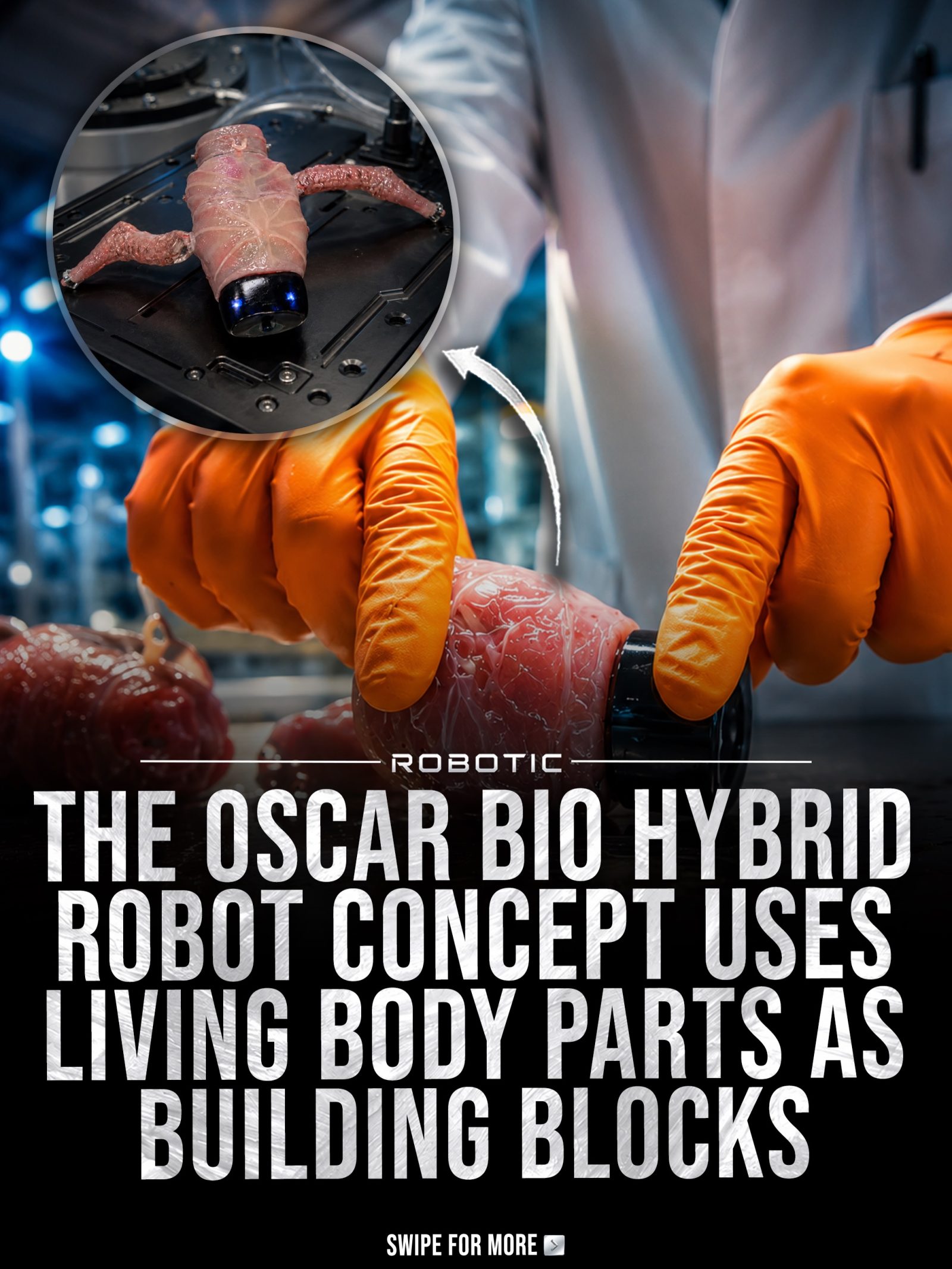
Bio-Hybrid Robotics
Bio-hybrid robotics is an emerging field that combines the precision of robotics with the adaptability of living biological components. This innovative approach challenges traditional robotics, where machines are typically constructed from metal and powered by motors. Instead, bio-hybrid robots utilize lab-grown organs, muscles, and tissues as modular building blocks, creating machines that could revolutionize various industries.
Why This Matters
The development of bio-hybrid robots holds significant potential for advancing medicine, manufacturing, and scientific research. By integrating biological components, these robots could perform tasks with greater efficiency and adaptability than traditional robots. For instance, bio-hybrid robots could be used for drug delivery, tissue engineering, and even complex surgeries, where precision and adaptability are crucial. In manufacturing, they could enhance the production of biological products, such as pharmaceuticals and biofuels. Additionally, bio-hybrid systems could provide new insights into biological processes, paving the way for groundbreaking discoveries in life sciences.
Main Discussion
The Concept of Bio-Hybrid Robotics
The Oscar bio-hybrid robot, created by Dutch designer Cornelis Vlasman as part of The Modular Body project, serves as a conceptual blueprint for this innovative approach. Oscar showcases how synthetic biology and robotics could merge, replacing traditional mechanical parts with lab-grown organs, muscles, and living tissues. This concept is inspired by real-world advancements where scientists have demonstrated bio-hybrid robots powered by living muscle cells.
The Construction of Bio-Hybrid Robots
Building bio-hybrid robots involves a complex process that integrates biological components with robotic systems. Lab-grown organs, muscles, and tissues are cultivated in controlled environments and then assembled into functional robotic structures. This modular approach allows for the creation of robots with unprecedented capabilities, such as self-repair and adaptability to changing environments. Unlike traditional robots, which rely on rigid mechanical components, bio-hybrid robots can evolve and adapt over time, making them more versatile and resilient.
Differentiating Bio-Hybrid Robots from Traditional Robots
Traditional robots are typically made from metal and powered by motors, which limits their flexibility and adaptability. In contrast, bio-hybrid robots utilize living biological components, allowing for greater flexibility and adaptability. For example, bio-hybrid robots can perform tasks that require precision and dexterity, such as delicate surgical procedures or complex manufacturing processes. Additionally, bio-hybrid robots can respond to biological cues, making them ideal for applications in medicine and biotechnology.
The Reality of Bio-Hybrid Robotics
While Oscar itself is a conceptual design, the underlying technology is grounded in real-world advancements. Scientists have already demonstrated bio-hybrid robots powered by living muscle cells, showing that parts of this vision are becoming possible. As biotechnology and robotics continue to advance, bio-hybrid systems could reshape various industries and raise important ethical questions about the future of engineered life.
Practical Tips
For those interested in exploring the world of bio-hybrid robotics, here are some practical steps and considerations:
-
Stay Informed: Keep up-to-date with the latest research and developments in bio-hybrid robotics. Follow key researchers, journals, and conferences in the field to stay informed about new advancements and breakthroughs.
-
Engage with the Community: Join online forums, social media groups, and professional organizations dedicated to bio-hybrid robotics. Engaging with the community can provide valuable insights, networking opportunities, and collaboration possibilities.
-
Experiment with Prototypes: If you have access to a lab or research facility, consider experimenting with bio-hybrid prototypes. Hands-on experience can deepen your understanding of the challenges and opportunities in this field.
-
Ethical Considerations: Reflect on the ethical implications of bio-hybrid robotics. Consider issues such as the ethical treatment of biological components, the potential misuse of technology, and the societal impact of bio-hybrid systems.
Important Takeaways
Bio-hybrid robotics represents a groundbreaking advancement in the integration of biology and robotics. By utilizing lab-grown organs, muscles, and tissues as modular building blocks, these robots offer unprecedented capabilities and adaptability. The concept of bio-hybrid robots, as exemplified by the Oscar prototype, is rooted in real-world advancements and has the potential to revolutionize various industries. As this field continues to evolve, it will be crucial to address the ethical considerations and challenges that arise, ensuring that bio-hybrid robotics is developed responsibly and ethically.
Conclusion
Bio-hybrid robotics is poised to redefine the future of robotics, medicine, and scientific research. By merging synthetic biology with robotics, this innovative approach could lead to revolutionary advancements in various fields. As we continue to explore the possibilities of bio-hybrid robots, it is essential to stay informed, engage with the community, and consider the ethical implications of this groundbreaking technology. With careful development and responsible innovation, bio-hybrid robotics could unlock new horizons in human potential and technological achievement.
Watch the Reel
Questions readers ask
What exactly is the Oscar robot and how does it differ from conventional robots?
The Oscar robot is a concept in bio-hybrid robotics, which means it integrates living tissues with robotic components. Unlike traditional robots that use metal structures and motors, the Oscar robot utilizes lab-grown biological parts, making it more adaptable and efficient for specific tasks. The idea is to leverage the natural properties of living tissues to enhance robotic performance.
Who created the Oscar robot concept and what inspired its development?
The Oscar robot concept was developed by Cornelis Vlasman. The inspiration behind bio-hybrid robotics, including the Oscar robot, comes from the desire to create machines that can adapt and respond to their environment in ways that traditional robots cannot. By incorporating living tissues, these robots can potentially achieve greater versatility and efficiency.
What are the potential advantages of bio-hybrid robots over traditional robotic systems?
Bio-hybrid robots, like the Oscar robot, offer several potential advantages. They can be more adaptable and efficient due to the natural properties of living tissues. For example, bio-hybrid robots could perform tasks that require fine motor control or biological interactions, such as drug delivery or tissue repair, more effectively than traditional robots. Additionally, they could be more cost effective and environmentally friendly, as they might require less energy and fewer resources.
How do bio-hybrid robots utilize living tissues as modular building blocks?
Bio-hybrid robots use living tissues as modular components, meaning they can be grown and integrated into the robot's design to perform specific functions. For instance, living muscles can provide movement, while organs or cells could be used for sensing or processing information. This approach allows for a high degree of customization and adaptability, as different tissues can be selected and combined based on the task at hand. This modularity is a key aspect of the bio-hybrid robotics field.
What are the potential challenges in developing and implementing bio-hybrid robots in industries like medicine and manufacturing?
While bio-hybrid robots hold great promise, there are several challenges to overcome. One of the main issues is ensuring the longevity and stability of living tissues outside of the body. Additionally, integrating biological components with robotic systems requires sophisticated technology and precise control mechanisms. Ethical considerations and regulatory hurdles must also be addressed, as working with living tissues raises unique concerns. Despite these challenges, ongoing research and development continue to advance the field of bio-hybrid robotics.
How can bio-hybrid robots contribute to advancements in scientific research?
Bio-hybrid robots can contribute to scientific research by providing new tools for studying biological systems and processes. For example, they can be used to test drug interactions, model diseases, or explore biological functions in a controlled environment. Additionally, these robots can offer insights into the behavior of living tissues in response to different stimuli, helping researchers develop new therapies and treatments. The unique capabilities of bio-hybrid robots make them valuable assets in scientific exploration.
Related deep dives
Similar reads based on topic and creator.




Recent articles
Fresh deep dives from the latest Reels we unpacked.




Comments
Be the first to comment.