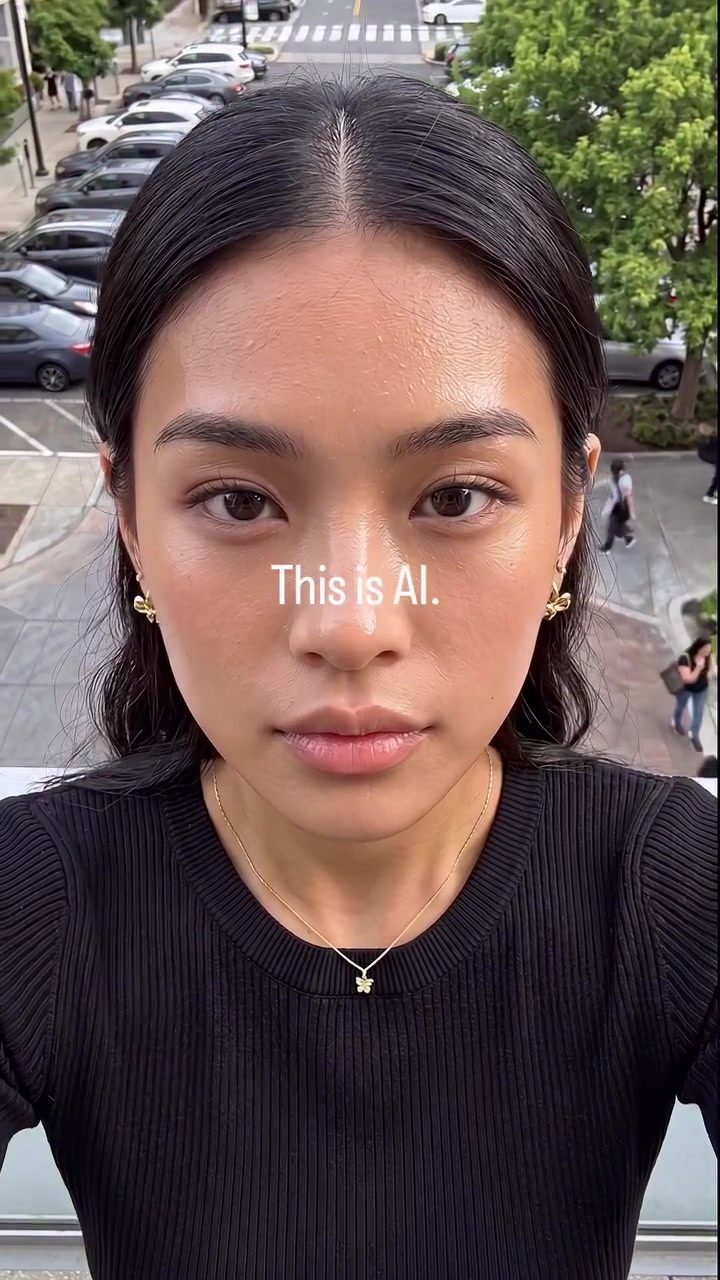
Hyper-Realistic AI Animation with Nuova Era AI's Kling 3.0 Prompt
Artificial intelligence has revolutionized the way we create and experience digital media, and one of the most exciting applications is in the realm of hyper-realistic animation. The Kling 3.0 prompt by Nuova Era AI is a testament to this advancement, showcasing how AI can be used to generate incredibly lifelike animations. This prompt focuses on creating subtle, cinematic movements and hyper-realistic facial expressions, making the animated characters almost indistinguishable from real humans.
Why This Matters
The ability to create hyper-realistic animations has significant implications for various industries, including film, gaming, and advertising. By using AI prompts like Kling 3.0, creators can produce high-quality content more efficiently and cost-effectively. This technology not only enhances the visual experience but also opens up new creative possibilities. For instance, realistic animations can be used to bring historical figures to life, create immersive virtual reality experiences, or even generate personalized avatars for online interactions.
The Role of Nuova Era AI
Nuova Era AI is at the forefront of developing cutting-edge AI software solutions for animation. Their Kling 3.0 prompt is designed to push the boundaries of what is possible in digital animation. By focusing on intricate details such as eye movements, skin texture, and subtle facial expressions, Nuova Era AI's technology brings a new level of realism to animated characters.
Main Discussion
Understanding the Kling 3.0 Prompt
The Kling 3.0 prompt is specifically designed to generate hyper-realistic facial animations. This involves creating digital characters that mimic real human expressions and movements with uncanny accuracy. The prompt guides the AI software to focus on key aspects such as:
- Eye Detail: The prompt emphasizes the importance of realistic eye movements and blinking, which are crucial for creating lifelike animations. Subtle movements and blinking add a layer of authenticity to the character.
- Skin Texture: High-quality skin texture is essential for achieving hyper-realism. The prompt ensures that the AI pays close attention to the nuances of skin texture, including pores, wrinkles, and subtle changes in lighting.
- Cinematic Motion: The instructions for the Kling 3.0 prompt involve subtle cinematic motion, which means the character's movements are smooth and natural, mimicking real-life gestures and expressions.
Creating Hyper-Realistic Animations
To create hyper-realistic animations using the Kling 3.0 prompt, you need to follow specific instructions. These instructions involve understanding the nuances of cinematic motion and hyper-realism. Here are some key steps:
- 1. Setting Up the Scene: Start by setting up the scene with the necessary parameters. This includes defining the character's facial features, skin texture, and eye details. The prompt guides you through the process, ensuring that each element is meticulously crafted.
- 2. Incorporating Realistic Movements: The next step is to incorporate realistic movements. This involves subtle, cinematic motion, where the character's movements are natural and lifelike. The prompt includes specific instructions on how to achieve this, such as moving the character closer to the lens and focusing on eye detail.
- 3. Adding Hyper-Realistic Elements: Finally, add hyper-realistic elements to the animation. This includes nuances such as subtle lip movements, blinking, and skin texture changes. The prompt emphasizes the importance of these details in achieving a high level of realism.
Practical Tips
Mastering Cinematic Motion
Mastering cinematic motion is crucial for creating hyper-realistic animations. Here are some practical tips to help you achieve this:
- 1. Study Real-Life Movements: Observe real-life movements and gestures to understand how they translate into animation. Pay attention to the subtlety and smoothness of natural movements.
- 2. Use Reference Material: Utilize reference material such as videos or photographs to guide your animation. This can help you capture the nuances of real-life expressions and movements.
- 3. Practice and Iterate: Creating realistic animations requires practice and iteration. Experiment with different movements and expressions to find the perfect balance of realism and fluidity.
Enhancing Eye Detail
Eye detail is a critical aspect of hyper-realistic animations. Here are some tips to enhance eye detail in your animations:
- 1. Focus on Blinking: Blinking adds a level of authenticity to animations. Make sure your character blinks naturally and at appropriate intervals.
- 2. Pay Attention to Eye Movements: Realistic eye movements, such as slight shifts and focus changes, can make a significant difference in the overall realism of the animation.
- 3. Use High-Quality Textures: High-quality textures for the eyes and surrounding areas can enhance the realism of the animation. Ensure that the textures are detailed and match the character's overall look.
Important Takeaways
- AI-Driven Animation: AI software like the Kling 3.0 prompt by Nuova Era AI is transforming the way we create and experience animations. It allows for the generation of hyper-realistic characters with intricate details and smooth, natural movements.
- Importance of Subtlety: Subtlety is key in creating realistic animations. Small details like eye movements, skin texture, and subtle lip movements can significantly enhance the overall realism.
- Practical Tips: Mastering cinematic motion and enhancing eye detail are essential steps in creating hyper-realistic animations. Utilizing reference material and practicing can help achieve the desired level of realism.
Conclusion
The Kling 3.0 prompt by Nuova Era AI represents a significant leap forward in the world of digital animation. By emphasizing subtle, cinematic motion and hyper-realistic details, this AI software allows creators to produce incredibly lifelike animations. Whether you're a filmmaker, gamer, or advertising professional, understanding and utilizing this technology can open up new creative possibilities and enhance the quality of your work.
Watch the Reel
Questions readers ask
How does Nuova Era AI's Kling 3.0 achieve hyper-realistic animation?
Kling 3.0 uses advanced AI algorithms to analyze and replicate subtle human movements and facial expressions, making animated characters appear incredibly lifelike. The technology focuses on creating cinematic movements and expressions that mimic real humans, pushing the boundaries of digital animation.
What are the key benefits of using Kling 3.0 in the film industry?
Kling 3.0 offers filmmakers new creative possibilities by enabling the creation of highly realistic characters and scenes. This can reduce the need for expensive practical effects, making productions more cost-effective. Moreover, it allows for more realistic and nuanced performances, enhancing the overall viewing experience.
Can Kling 3.0 be utilized in gaming animations?
Absolutely. Kling 3.0's ability to generate realistic human movements and facial expressions is a game-changer for the gaming industry. It can be used to create more believable and immersive characters, enhancing player engagement and providing a richer gaming experience.
How does Kling 3.0 compare to traditional animation software?
Unlike traditional animation software, Kling 3.0 leverages AI to automatically generate realistic movements and expressions, reducing the manual effort required. This not only speeds up the animation process but also ensures a higher level of consistency and realism in the final output.
What role does AI play in the future of digital animation?
AI is set to revolutionize digital animation by enabling the creation of hyper-realistic content more efficiently. Tools like Kling 3.0 are at the forefront of this shift, offering new possibilities for creators and industries alike. As AI technology continues to advance, we can expect even more innovative applications in the field.
Is Kling 3.0 user-friendly for beginners in animation?
While Kling 3.0 is a powerful tool, it is designed to be accessible to users of varying skill levels. The AI-driven processes simplify many complex tasks, making it easier for beginners to create professional-quality animations. Additionally, Nuova Era AI provides resources and support to help users get started with the software.
What industries can benefit from Nuova Era AI's Kling 3.0?
Kling 3.0 has wide-ranging applications across various industries. In addition to film and gaming, it can be used in advertising to create more engaging and believable commercials. Furthermore, it has potential in virtual reality, augmented reality, and even in medical simulations where realistic human movements are crucial.
Related deep dives
Similar reads based on topic and creator.

Recent articles
Fresh deep dives from the latest Reels we unpacked.

Comments
Be the first to comment.