Modern Architecture and Contemporary Design Elements
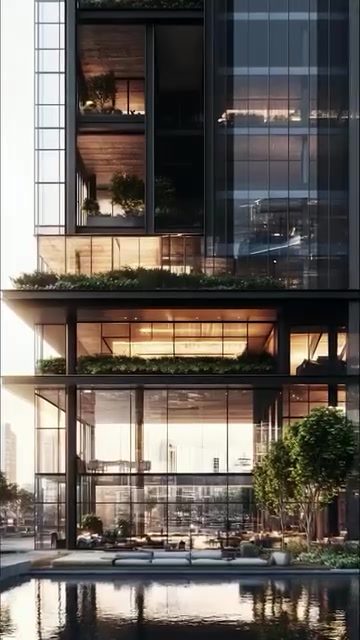
Modern architecture is characterized by its integration of natural elements and innovative design practices, creating visually appealing and sustainable structures. Modern buildings often feature extensive use of glass and greenery, contributing to a harmonious blend of indoor and outdoor spaces. This aesthetic not only enhances the visual appeal but also promotes environmental sustainability.
Why This Matters
The rise of modern architecture reflects a growing demand for sustainable and visually appealing building designs. As cities continue to expand, the need for structures that integrate natural elements becomes increasingly important. Incorporating greenery into architectural designs helps mitigate urban heat island effects, improves air quality, and provides aesthetic benefits. Additionally, modern architectural designs often prioritize functionality and comfort, making them popular choices for both residential and commercial spaces.
Main Discussion
Modern Architectural Design with Glass and Greenery
Modern architectural designs often feature a generous use of glass and greenery, creating a harmonious blend of indoor and outdoor spaces. Glass walls and windows allow for natural light to flow into buildings, reducing the need for artificial lighting and lowering energy consumption. The integration of greenery, such as vertical gardens and rooftop gardens, not only enhances the visual appeal but also contributes to environmental sustainability. These elements help mitigate urban heat island effects, improve air quality, and provide habitats for local flora and fauna.
Sustainable Building Practices
Sustainable building practices are integral to modern architectural design. These practices prioritize the use of eco-friendly materials, energy-efficient systems, and renewable energy sources. For example, green roofs and walls help insulate buildings, reducing heating and cooling costs. Rainwater harvesting systems collect and store rainwater for various uses, conserving water resources. Additionally, solar panels and wind turbines generate clean, renewable energy, further reducing the environmental impact of buildings.
Integration of Outdoor Spaces
The integration of outdoor spaces, such as reflecting pools and outdoor seating areas, is a hallmark of modern architectural design. These spaces provide opportunities for relaxation and social interaction, enhancing the overall ambiance of the building. Reflecting pools, in particular, add a serene and calming element to the environment, creating a visual focal point. Outdoor seating areas offer a space for residents and visitors to enjoy the outdoors while being part of the building's community.
Green Wall Design
Green walls, also known as living walls, are a striking feature of modern architectural and interior design. These vertical gardens are densely planted with lush greenery, creating a visually appealing contrast against the building's facade. The integration of greenery into building facades not only enhances the aesthetic appeal but also provides environmental benefits. Green walls help insulate buildings, reducing heating and cooling costs, and improve air quality by absorbing pollutants and producing oxygen. Additionally, the use of contrasting materials, such as greenery and metal, adds depth and interest to the design, making it a popular choice for contemporary buildings.
Industrial Bedroom Design
Industrial bedroom design focuses on the use of raw materials and minimalist aesthetics. This design style often features exposed brick walls, concrete ceilings, and wooden bed frames, creating a rustic yet modern look. The integration of large windows overlooking a cityscape adds a sense of openness and connectivity to the outdoors. Industrial bedroom design is popular among those who appreciate a clean, uncluttered look and the natural beauty of raw materials.
Luxury Bathroom Design
Luxury bathroom design emphasizes comfort, elegance, and functionality. A freestanding bathtub positioned in front of a large window offers a relaxing view of the city skyline. The modern design, characterized by clean lines and neutral colors, creates a sophisticated and serene atmosphere. Luxury bathrooms often feature high-end fixtures, such as rainfall showers and heated floors, enhancing the overall bathing experience.
Practical Tips
When incorporating modern architectural elements into your space, consider the following tips:
Choose Eco-Friendly Materials
Opt for materials that are sustainable and have a low environmental impact. Consider using recycled materials, reclaimed wood, and non-toxic paints. These choices not only contribute to a healthier environment but also add a unique character to your space.
Maximize Natural Light
Design your space to maximize natural light. Large windows, skylights, and glass doors allow for ample sunlight to enter, reducing the need for artificial lighting. This not only saves energy but also creates a more inviting and comfortable atmosphere.
Incorporate Greenery
Add plants and green walls to your space. They not only enhance the aesthetic appeal but also provide numerous environmental benefits, such as improving air quality and reducing stress levels. Consider using a mix of potted plants and vertical gardens to create a lush, green environment.
Use Energy-Efficient Systems
Install energy-efficient systems, such as LED lighting, smart thermostats, and renewable energy sources. These systems help reduce energy consumption and lower utility costs, making your space more sustainable and cost-effective.
Optimize Outdoor Spaces
Create comfortable and functional outdoor spaces. Include seating areas, reflecting pools, and landscaping to enhance the overall ambiance. These spaces provide opportunities for relaxation and social interaction, making your building more inviting and enjoyable.
Important Takeaways
Modern architectural design prioritizes sustainability, functionality, and aesthetic appeal. By incorporating elements such as glass, greenery, and energy-efficient systems, you can create a visually appealing and environmentally friendly space. Industrial and luxury design elements add character and comfort to your home or office, making it a more enjoyable and inviting environment.
Conclusion
Modern architecture and contemporary design elements are essential for creating sustainable, functional, and aesthetically pleasing spaces. Incorporating elements such as glass, greenery, and energy-efficient systems can enhance the overall ambiance and environmental benefits of your building. Industrial and luxury design elements add character and comfort, making your space more inviting and enjoyable. By following practical tips and prioritizing sustainability, you can create a modern architectural masterpiece that stands out and meets the needs of today's discerning residents and visitors.
Watch the Reel
Questions readers ask
What are the key features of sustainable modern architecture?
Sustainable modern architecture is distinguished by its use of eco-friendly materials, extensive greenery, and innovative design practices that reduce energy consumption. Key features include large glass windows that maximize natural light, green roofs that help insulate buildings and mitigate the urban heat island effect, and the integration of plants and natural elements into the building's design.
How does modern architecture contribute to improving urban air quality?
Modern architecture improves urban air quality by incorporating plenty of greenery into its design. Plants and trees absorb pollutants and release oxygen, which helps to purify the air. Additionally, the use of energy-efficient materials and renewable energy sources can reduce the emission of harmful gases, contributing to cleaner air.
What are some modern architecture trends that focus on sustainability?
Some modern architecture trends that emphasize sustainability include the use of green roofs, living walls, and extensive greenery. Other trends include the integration of renewable energy sources, such as solar panels or energy-efficient appliances, and the use of recycled or sustainably sourced building materials. Additionally, the design of spaces that allow for natural ventilation and daylighting is a key trend in sustainable modern architecture.
Why are modern buildings with greenery becoming increasingly popular?
Modern buildings with greenery are becoming more popular due to their numerous benefits, including improved air quality, reduced energy consumption, and enhanced aesthetic appeal. Additionally, greenery can help mitigate the urban heat island effect and promote biodiversity, making it an attractive option for environmentally conscious individuals and organizations.
What are some of the benefits of green roof architecture?
Green roof architecture offers several benefits, such as improved insulation, which can reduce energy consumption for heating and cooling. It also helps to mitigate the urban heat island effect, improves air quality, and provides a habitat for local wildlife. Additionally, green roofs can help manage rainwater by absorbing and slowing down the flow of water, which can reduce the risk of flooding.
How does architectural integration of nature enhance the appeal of modern buildings?
The architectural integration of nature enhances the appeal of modern buildings by creating a harmonious blend of indoor and outdoor spaces. This approach not only improves the aesthetic appeal but also offers a calming and relaxing environment that can help to reduce stress and improve well-being. Furthermore, natural elements can improve air quality and temperature management in buildings.
What is architectural integration of nature?
Architectural integration of nature refers to the design practice of seamlessly incorporating natural elements, such as plants, trees, and water features, into building structures. This approach aims to create a harmonious balance between the built environment and nature, promoting sustainability, and enhancing the overall aesthetic and functional aspects of the building.
Related deep dives
Similar reads based on topic and creator.
Recent articles
Fresh deep dives from the latest Reels we unpacked.




Comments
Be the first to comment.