Introduction
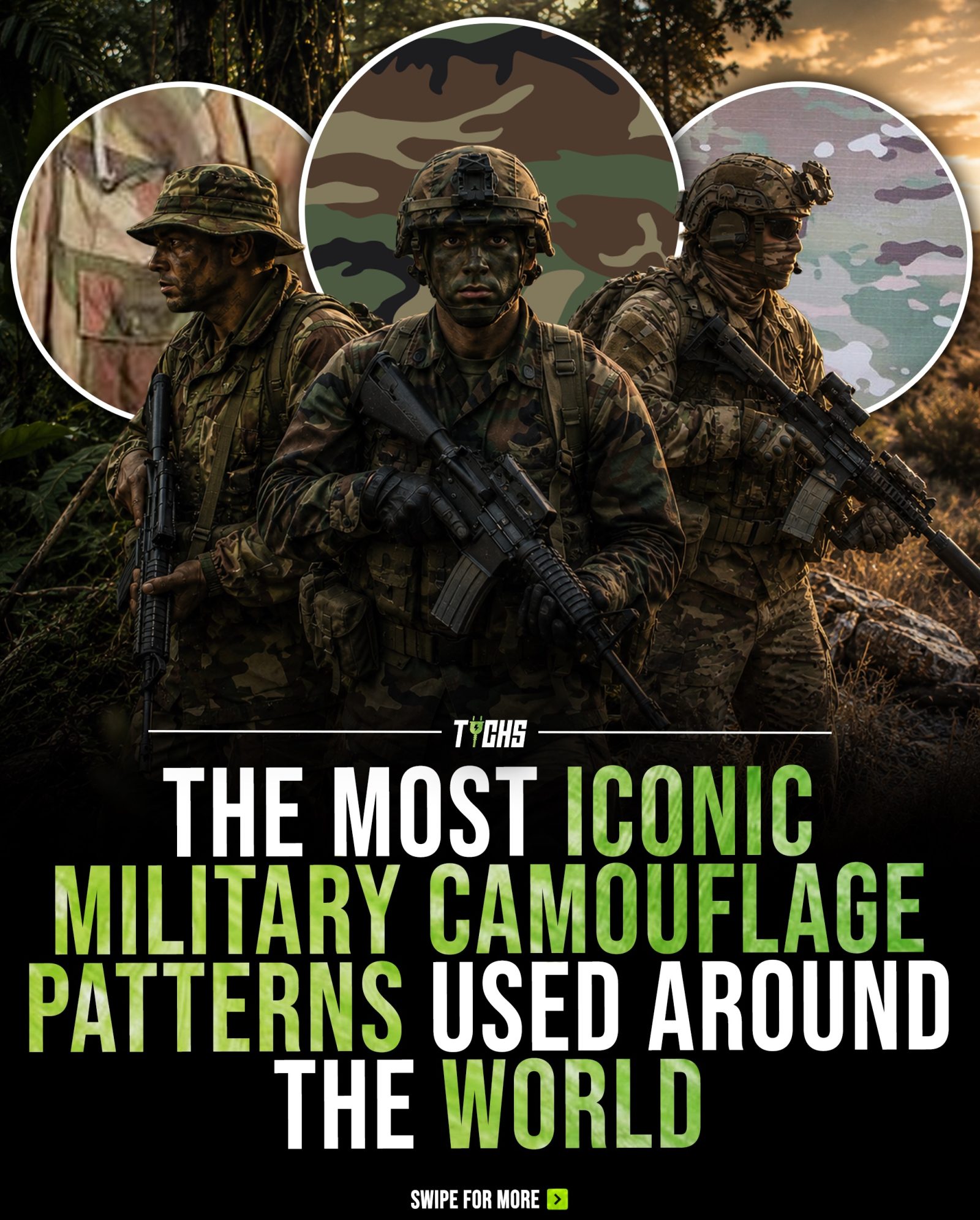
Military camouflage patterns are critical tools in modern warfare, designed to help soldiers blend into their surroundings and avoid detection. These patterns aren't just random shapes and colors; they are the result of extensive research and development tailored to specific environments and combat conditions. From the iconic Tiger Stripe and Portuguese Lizard to more modern designs like US Woodland and Crye MultiCam, each pattern has a unique story and purpose.
Context / Why this matters
Understanding the evolution and purpose of military camouflage patterns offers insights into military strategy and innovation. These patterns are more than just visual aids; they reflect advancements in military technology and tactics. They have influenced armed forces globally, often inspiring camouflage systems adopted by militaries far beyond their country of origin. The significance of camouflage patterns lies in their ability to enhance battlefield survival, making them a key aspect of military preparedness.
Main discussion
The Evolution of Military Camouflage
Camouflage patterns have evolved significantly over the years, adapting to different terrains and combat needs. Early patterns were often simple and generic, but as military research advanced, so did the complexity and effectiveness of these designs.
Iconic Camouflage Patterns
Tiger Stripe
Tiger Stripe is one of the most iconic camouflage patterns, created in the 1960s for jungle warfare. The distinctive design features bold, irregular shapes that break up the soldier's outline, making it difficult for enemies to spot them in dense foliage.
Portuguese Lizard
Developed for African bush warfare, the Portuguese Lizard pattern is another notable design. Its intricate, lizard-like shapes help soldiers blend into the arid, rocky landscapes typical of the African bush, providing effective camouflage in a challenging environment.
US Woodland
The US Woodland pattern is a classic example of a woodland camouflage. Its mix of greens, browns, and black creates a natural, forest-like appearance. This pattern has been widely adopted and adapted by various military forces for use in forested areas.
Crye MultiCam
MultiCam is a modern, highly versatile camouflage pattern designed for use in a variety of environments, from deserts to woodlands. Its subtle, pixelated design breaks up the soldier's outline and provides excellent concealment in complex terrain.
MARPAT
The MARPAT (Marine Pattern) is a digital camouflage developed for the U.S. Marine Corps. It features complex shapes and colors that adapt well to both urban and natural environments, making it a versatile choice for modern warfare.
Flecktarn
Flecktarn is a German camouflage pattern known for its distinctive, multi-colored flecks. It's effective in a wide range of environments, from dense forests to open fields, and has been adopted by several European militaries.
Chocolate Chip
Chocolate Chip is an older pattern designed for desert warfare. Its irregular, chocolate-colored shapes help soldiers blend into sandy and rocky terrain, making it an effective design for arid environments.
The Science Behind Camouflage
Camouflage is not just about colors and shapes; it's a result of decades of research into terrain, visibility, and battlefield survival. The development of these patterns involves detailed studies on light, color, and how the human eye perceives shapes. This science ensures that soldiers can move unseen, providing a critical tactical advantage.
Global Influence
Military camouflage patterns have had a profound impact on global defense strategies. Many of the patterns developed by one country have inspired or been adopted by others, leading to a cross-pollination of tactical knowledge and innovation. This exchange has led to the creation of more effective and versatile camouflage systems, improving soldier safety and combat effectiveness worldwide.
Practical tips
When studying military camouflage, it's helpful to understand the following:
Understanding Terrain
Camouflage patterns are designed to suit specific terrains. Understanding the environment in which a pattern is used can provide insights into its effectiveness. For example, Tiger Stripe is optimized for jungle environments, while Portuguese Lizard is ideal for rocky, arid landscapes.
Recognizing Patterns
Learning to recognize and distinguish different camouflage patterns can be beneficial for both military personnel and enthusiasts. Knowing the origins and uses of patterns like MARPAT, Flecktarn, or Chocolate Chip can deepen your appreciation for the science and strategy behind camouflage.
Researching History
Delving into the history of various camouflage patterns can reveal fascinating stories about their development and use. Understanding the context in which these patterns were created can enhance your knowledge of military history and tactics.
Applying Knowledge
For those interested in applying this knowledge, consider participating in military simulations or tactical training courses. These experiences can provide practical insights into the use and effectiveness of different camouflage patterns.
Important takeaways
The Importance of Camouflage
Camouflage patterns are an essential aspect of modern warfare, providing soldiers with a critical tactical advantage. Their design and development involve extensive research and innovation, making them one of the most important innovations in military history.
Global Impact
The influence of military camouflage patterns extends far beyond their country of origin. Many patterns have inspired or been adopted by various military forces, leading to a global exchange of tactical knowledge and innovation.
Continuous Evolution
Military camouflage is constantly evolving, adapting to new environments and combat conditions. Understanding its evolution and current developments can provide valuable insights into military strategy and technology.
Conclusion
Military camouflage patterns are a testament to the ongoing evolution of military tactics and technology. From the iconic Tiger Stripe to modern designs like Crye MultiCam, these patterns play a crucial role in battlefield survival. Understanding their development and global influence offers a deeper appreciation for the science and strategy behind one of the most important innovations in military history.
Watch the Reel
Questions readers ask
What is the significance of military camouflage patterns in warfare?
Military camouflage patterns are crucial for soldier survival, helping them blend into their surroundings to avoid detection. These patterns are designed to match specific environments, making it harder for enemies to spot soldiers. They are also essential for concealing military equipment and infrastructure. By reducing visibility, they enhance the element of surprise and protect soldiers from threats.
What is the history behind the Tiger Stripe camouflage pattern?
The Tiger Stripe camouflage pattern originated during the Vietnam War, designed for use in dense jungle environments. It features bold, irregular shapes inspired by the natural patterns found in foliage. The pattern was initially developed by the Australian and U.S. armies and later adopted by other forces. Tiger Stripe is renowned for its effectiveness in tropical and subtropical settings, and it remains a classic and well known.
Which environments is Portuguese Lizard camo best suited for?
The Portuguese Lizard camouflage pattern is designed to blend seamlessly with arid, rocky terrains. It features irregular, jagged shapes and a color palette that mimics the natural hues of desert landscapes. This pattern was developed by the Portuguese army and is particularly effective in environments with sparse vegetation and rugged terrain, making it ideal for desert warfare.
How have military camouflage patterns evolved over time?
Military camouflage patterns have evolved significantly from simple, basic designs to intricate, purpose-built patterns. Early patterns were often basic and generic, but advancements in technology and a deeper understanding of natural environments have led to more specialized designs. Today, patterns like Crye MultiCam are designed to adapt to a wide range of terrains and conditions, reflecting advancements in military tactics and strategy.
What are some of the most effective military camouflage patterns used today?
Some of the most effective military camouflage patterns in use today include Crye MultiCam, US Woodland, and the new Universal Camouflage Pattern (UCP). These patterns are designed to be versatile, adapting to a variety of environments and combat conditions. Their effectiveness lies in their ability to blend seamlessly into different terrains, reducing the risk of detection and enhancing soldier safety and success.
How do different countries approach the design of their military camouflage patterns?
Different countries design their military camouflage patterns based on their specific geographic and combat conditions. For example, the Portuguese Lizard pattern is tailored to arid, rocky terrains, while the Tiger Stripe pattern is suited for dense jungle environments. Countries often conduct extensive research and testing to create patterns that best match their unique needs, resulting in a diverse range of camo designs around the world. This tailored approach enhances the effectiveness of their armed forces in various environments.
Recent articles
Fresh deep dives from the latest Reels we unpacked.




Comments
Be the first to comment.