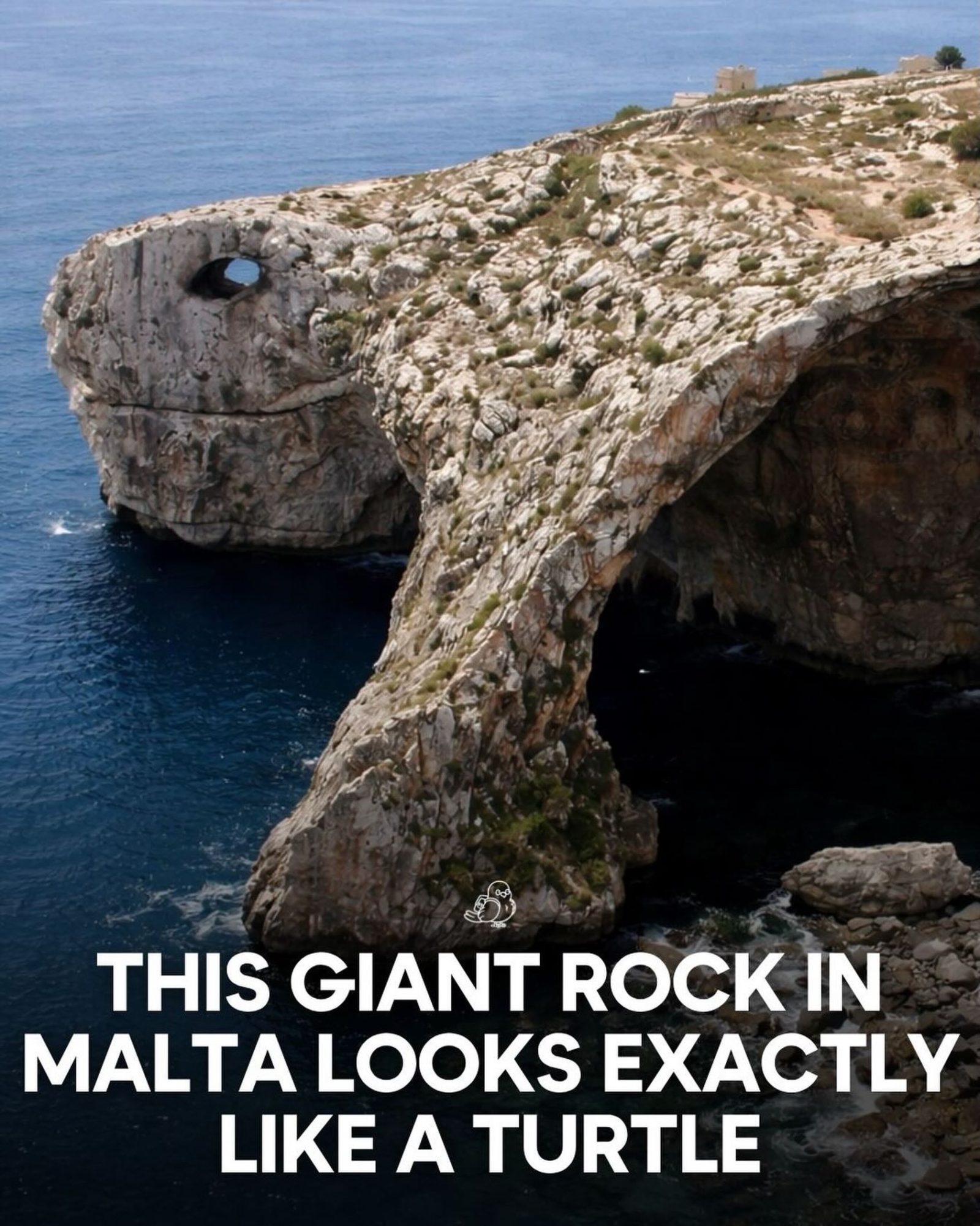
Malta's Turtle Rock
BackpackingTurtle Rock, nestled along Malta’s south coast near the renowned Blue Grotto, is a massive natural formation that has been sculpted over time by the relentless forces of sea erosion. This unique rock formation bears a striking resemblance to a giant tortoise, making it one of the most recognizable and photographed features in the region. Its distinct shape and cliffside setting have captured the imagination of travelers and locals alike, contributing to its status as a must-see landmark in Malta.
Context / Why this matters
Malta, an archipelago in the Mediterranean Sea, is known for its rich history, vibrant culture, and breathtaking natural beauty. The island nation boasts numerous historical sites, including ancient temples, medieval cities, and World War II landmarks. However, its natural wonders are equally captivating. The Turtle Rock formation stands out as a testament to the power of nature and the incredible geological processes that have shaped the Maltese landscape.
Main discussion
Geological Formation
The Turtle Rock formation is a marvel of natural erosion. Over centuries, the relentless action of the sea has worn away at the softer layers of the rock, leaving behind a distinctive shape that resembles a giant tortoise. The unique geological composition of the area, combined with the constant battering of waves, has created this extraordinary sight. The rock is composed of limestone, a common material in the Maltese archipelago, which has been eroded and shaped by the sea into its current form.
Location and Accessibility
Situated along the south coast of Malta, the Turtle Rock is easily accessible from the Blue Grotto, another popular tourist destination known for its stunning blue waters and sea caves. Visitors can reach the area by car, public transportation, or even by boat, making it a convenient stop on any travel itinerary. The best time to visit is during the spring or fall when the weather is mild and the crowds are smaller, allowing for a more serene experience.
Natural Beauty and Photography
The Turtle Rock's unique shape and cliffside setting make it a photographer's paradise. Its natural beauty is amplified by the contrasting colors of the sea and the rugged cliffs, providing a striking backdrop for any photograph. Whether you're a professional photographer or an amateur, the Turtle Rock offers endless opportunities to capture the perfect shot. The best angles and lighting conditions are typically available in the early morning or late afternoon when the sun casts a warm, golden glow over the landscape.
Ecological Significance
Beyond its aesthetic appeal, the Turtle Rock holds ecological significance. The area around the formation is home to a diverse range of marine life, including various species of fish, crustaceans, and mollusks. The rock itself provides a habitat for seabirds and other coastal creatures. The surrounding waters are also important for conservation efforts, as they support the local ecosystem and contribute to the region's biodiversity.
Cultural and Historical Importance
The Turtle Rock formation is not just a geological marvel; it also holds cultural and historical importance. For centuries, the rock has been a part of local folklore and legends, with stories passed down through generations. Its resemblance to a tortoise has led to various interpretations and myths, adding to its allure. Additionally, the area around the rock has archaeological significance, with evidence of ancient settlements and historical sites nearby, offering a deeper connection to Malta’s rich heritage.
Practical tips
Best Time to Visit
While the Turtle Rock can be visited year-round, the best time to appreciate its full beauty is during the spring or fall. During these seasons, the weather is mild, and the crowds are thinner, allowing for a more immersive experience. The early morning or late afternoon offers the best lighting conditions for photography, with the sun casting a warm glow over the landscape.
What to Bring
When visiting the Turtle Rock, it’s essential to be prepared. Comfortable walking shoes are a must, as the terrain can be uneven and rocky. Bring a camera to capture the stunning views and consider bringing a water bottle and some snacks, especially if you plan to spend a significant amount of time exploring the area. A light jacket or sweater is also recommended, as temperatures can drop in the evening or during cooler months.
How to Get There
To reach the Turtle Rock, you can take a car or use public transportation. The Blue Grotto is a popular starting point, and from there, you can either walk along the coast or take a short boat ride to get up close to the formation. Alternatively, joining a guided tour is an excellent way to learn more about the area’s history and geography while enjoying the natural scenery.
Important takeaways
Malta's Turtle Rock is more than just a unique rock formation; it is a testament to the power of nature and the incredible geological processes that have shaped the Maltese landscape. Its distinctive shape, cultural significance, and natural beauty make it a must-visit destination for travelers and photographers alike. Whether you are interested in the geological marvels, the rich history, or the breathtaking views, the Turtle Rock offers a truly unforgettable experience.
Conclusion
The Turtle Rock formation along Malta’s south coast is a natural wonder that showcases the island’s geological beauty and cultural richness. Its unique shape, formed by centuries of sea erosion, has captivated visitors for generations. Whether you are a nature enthusiast, a photographer, or a history buff, this remarkable landmark offers something for everyone. So, the next time you find yourself in Malta, make sure to add the Turtle Rock to your itinerary and immerse yourself in the natural splendor of this extraordinary formation.
Watch the Reel
Questions readers ask
What is Turtle Rock in Malta and why is it called that?
Turtle Rock is a large natural limestone formation located on Malta's south coast, near the Blue Grotto. It is named for its distinctive shape, which resembles a giant tortoise. This unique appearance is the result of centuries of sea erosion sculpting the rock.
How was Turtle Rock formed?
Turtle Rock was formed through a process of sea erosion over many centuries. The relentless action of the sea gradually carved the limestone rock into its unique shape, creating the distinctive features that make it resemble a giant tortoise.
Where is Turtle Rock located?
Turtle Rock is situated on the south coast of Malta, close to the famous Blue Grotto. Its proximity to other popular attractions makes it a great addition to a south coast itinerary, especially for those interested in geology and natural wonders.
What is the best time to visit Turtle Rock?
The best time to visit Turtle Rock is during the spring or autumn months when the weather is pleasant, and the crowds are smaller. However, the site can be visited year-round, and the blue waters surrounding it make for a stunning contrast no matter the season.
Can visitors get up close to Turtle Rock?
While you can get a good view of Turtle Rock from various points along the south coast, there are no designated trails leading directly up to the rock formation. It is best viewed from a distance, either from the sea while boating or from one of the nearby coastal paths.
What other attractions are near Turtle Rock?
Turtle Rock is located near several other notable attractions, including the Blue Grotto, which is famous for its stunning sea caves and clear blue waters. Additionally, the nearby towns of Wied iz-Zurrieq and Dingli offer local dining and exploration opportunities.
Is Turtle Rock accessible for all visitors?
Turtle Rock itself is not directly accessible, but it can be viewed and enjoyed by all visitors. There are no barriers or restrictions, making it a great spot for travelers of all ages and abilities. Those with mobility concerns, however, should be aware that some viewing points may require navigating uneven terrain.
Related deep dives
Similar reads based on topic and creator.


Recent articles
Fresh deep dives from the latest Reels we unpacked.



Comments
Be the first to comment.