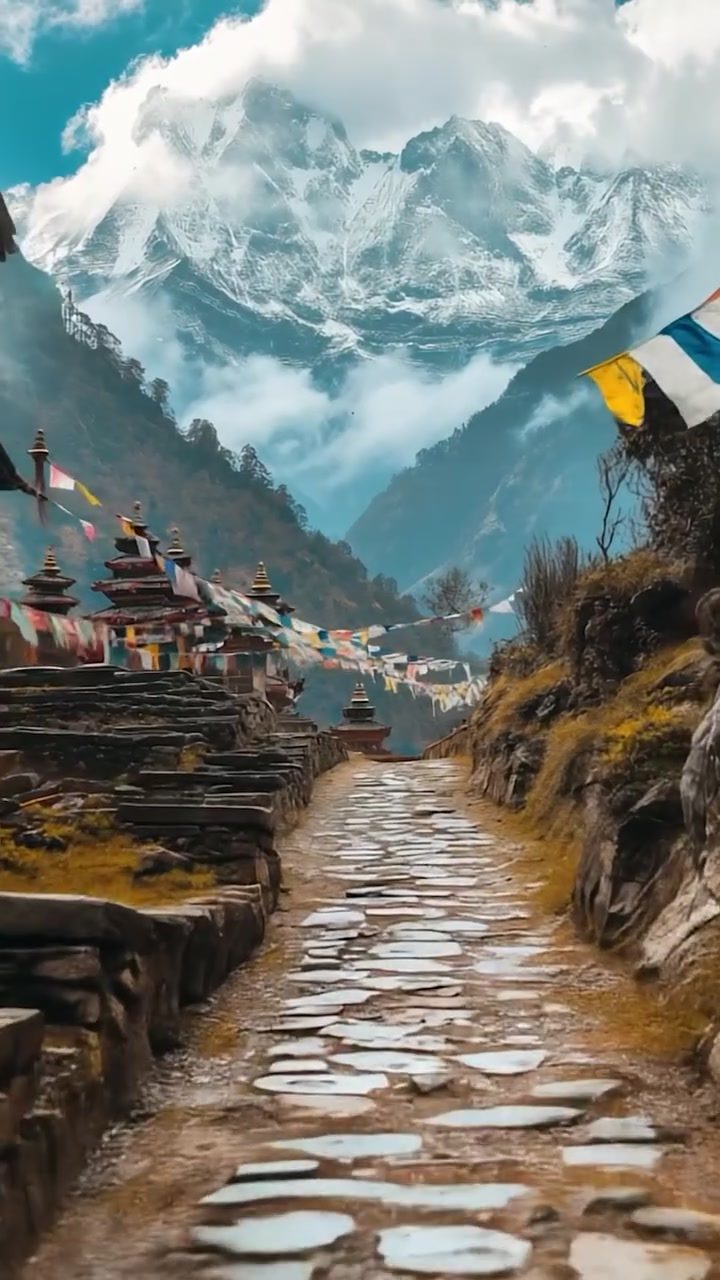
Mountain Views and Serene Landscapes
Mountain landscapes evoke a sense of awe and serenity that is unmatched by any other natural landscape. The majestic peaks, often capped with snow, create a striking contrast against the sky, while the valleys and forests below offer a sense of tranquility and natural beauty.
Why this matters
Mountain views are not just visually stunning; they also have a profound impact on our psychological and emotional well-being. The serene atmosphere of mountain landscapes can reduce stress, improve mood, and enhance overall mental health. Understanding the unique characteristics of mountain landscapes and the elements that contribute to their beauty can deepen our appreciation for these natural wonders and inspire us to explore and preserve them.
The Key Characteristics of Mountain Landscapes
Scenic Landscapes
Mountain landscapes are characterized by their dramatic and varied terrain. The towering peaks, often snow-capped, create a sense of grandeur and majesty. The valleys and foothills below offer a contrast in scale and texture, with lush forests, meandering streams, and meadows dotted with wildflowers.
Traditional Architecture
In many mountain regions, traditional architecture blends seamlessly with the natural landscape. Buildings often feature wooden construction, often with intricate details and steep pitched roofs designed to shed snow. Pagoda-style structures and traditional buildings with balconies and tiled roofs add a cultural richness to the landscape, enhancing its beauty and historical significance.
Peaceful and Serene Atmosphere
Mountain landscapes are known for their peaceful and serene atmosphere. The crisp, clean air, the sound of wind rustling through trees, and the absence of city noise create a tranquil environment that is both calming and rejuvenating. This serenity is further enhanced by the presence of prayer flags and other spiritual elements that add a layer of cultural significance to the natural beauty.
Integration of Building and Nature
One of the most striking aspects of mountain landscapes is the integration of traditional architecture with the natural environment. Buildings are often designed to complement, rather than dominate, the landscape. Large windows frame stunning views of the snow-covered mountains, while traditional wooden structures with intricate details and pagoda-style roofs add a touch of cultural authenticity.
Traditional Structures and Their Significance
Traditional mountain architecture often includes prayer flags, which are colorful banners strung from high points to bless the surrounding area. These flags are part of various cultures and religions, adding a spiritual dimension to the landscape. Similarly, traditional buildings with balconies and tiled roofs reflect the unique cultural heritage of the region, embodying the harmony between nature and human settlement.
Practical Tips
How to Appreciate Mountain Landscapes
To fully appreciate the beauty of mountain landscapes, consider these practical tips:
Choose the Right Time of Day
The best time to view mountain landscapes is often during the early morning or late afternoon, when the sun casts a warm, golden glow over the peaks. Dawn and dusk also offer unique lighting conditions that can highlight the textures and shadows of the mountains, enhancing their visual appeal.
Explore Different Perspectives
Mountain landscapes offer a variety of perspectives, from the base of the peaks to the summit. Exploring different viewpoints, such as from a path lined with prayer flags or from a traditional building with a balcony, can provide a richer and more comprehensive experience.
Engage the Senses
In addition to visual beauty, engaging all your senses can deepen your appreciation of the landscape. Listen to the rustling of leaves, the sound of water flowing in streams, and the calls of birds. Inhale the fresh, crisp air and feel the cool breeze on your skin. These sensory experiences can enhance your connection with the natural environment.
COnsider Cultural Elements
Mountain landscapes are often steeped in cultural significance. Take the time to learn about the traditional architecture, prayer flags, and other cultural elements that add meaning to the natural beauty. Understanding the cultural context can provide a deeper appreciation for the landscape and its heritage.
Important takeaways
Mountain landscapes are not just about stunning visuals; they offer a rich tapestry of cultural, historical, and environmental elements. The integration of traditional architecture, the peaceful atmosphere, and the diverse terrain all contribute to a unique and profound experience. By understanding and appreciating these elements, we can deepen our connection to these natural wonders and inspire efforts to preserve them for future generations.
Conclusion
Mountain landscapes are a testament to the beauty and grandeur of nature. From the towering peaks to the serene valleys and the integration of traditional architecture, these landscapes offer a unique and enriching experience. Whether viewed from a lower vantage point or from the comfort of a traditional building, mountain landscapes continue to captivate and inspire. By appreciating the diverse elements that make up these landscapes, we can foster a deeper connection to nature and a greater sense of awe and wonder.
Watch the Reel
Questions readers ask
What makes mountain views so visually appealing?
Mountain views are visually appealing due to their unique combination of towering peaks, lush valleys, and often, snow-capped summits. This contrast, along with the vastness of the landscapes, creates a sense of grandeur and tranquility that is both awe-inspiring and soothing to the eyes. The diversity of natural elements, from forests to streams, adds depth and interest to the scenery.
How do mountain views impact mental health?
Mountain views have been shown to reduce stress and anxiety, improve mood, and enhance overall mental health. The serene atmosphere and natural beauty of mountain landscapes can induce a sense of calm and mental clarity, making them ideal for relaxation and rejuvenation. The vast, open spaces can also provide a sense of perspective and tranquility that is hard to find in urban environments.
What are some ways to fully enjoy mountain views?
To fully enjoy mountain views, engage all your senses. Take a leisurely hike to experience the scenery from different angles. Bring a picnic to spend time in the serene atmosphere. Consider activities like photography or painting to capture the beauty. Also, practice mindfulness by taking deep breaths and appreciating the tranquility around you.
What is the best time of day to view mountains?
The best time to view mountains is often during the golden hours, which are the first and last hours of sunlight in a day. During these times, the sun's position creates soft, warm lighting that enhances the textures and colors of the landscape. Additionally, sunrise and sunset can offer stunning views with dramatic changes in light and color.
What should I pack for a mountain view trip?
For a mountain view trip, pack layers of clothing to accommodate changing temperatures. Include sturdy footwear for hiking, water and snacks for hydration and energy, a camera or binoculars for capturing the scenery, and a map or GPS device for navigation. Sunscreen and a hat are also essential for protecting against the sun's rays, especially at higher altitudes where the sun can be more intense.
Are there any specific mountain landscapes known for their exceptional views?
Yes, several mountain landscapes are renowned for their exceptional views. The Rocky Mountains in North America, the Himalayas in Asia, and the Alps in Europe are among the most famous. Within these ranges, specific locations like the Grand Tetons in Wyoming, the Matterhorn in Switzerland, and the Annapurna Circuit in Nepal are particularly celebrated for their breathtaking scenery.
How can I find the best mountain views for my next travel destination?
To find the best mountain views for your next travel destination, research the top scenic spots in the regions you're interested in. Look for travel guides, blogs, and reviews that highlight the most breathtaking views. Additionally, consider the time of year and weather conditions to ensure the best viewing experience. Local recommendations and guided tours can also provide valuable insights into the most picturesque locations.
Related deep dives
Similar reads based on topic and creator.




Recent articles
Fresh deep dives from the latest Reels we unpacked.


Comments
Be the first to comment.