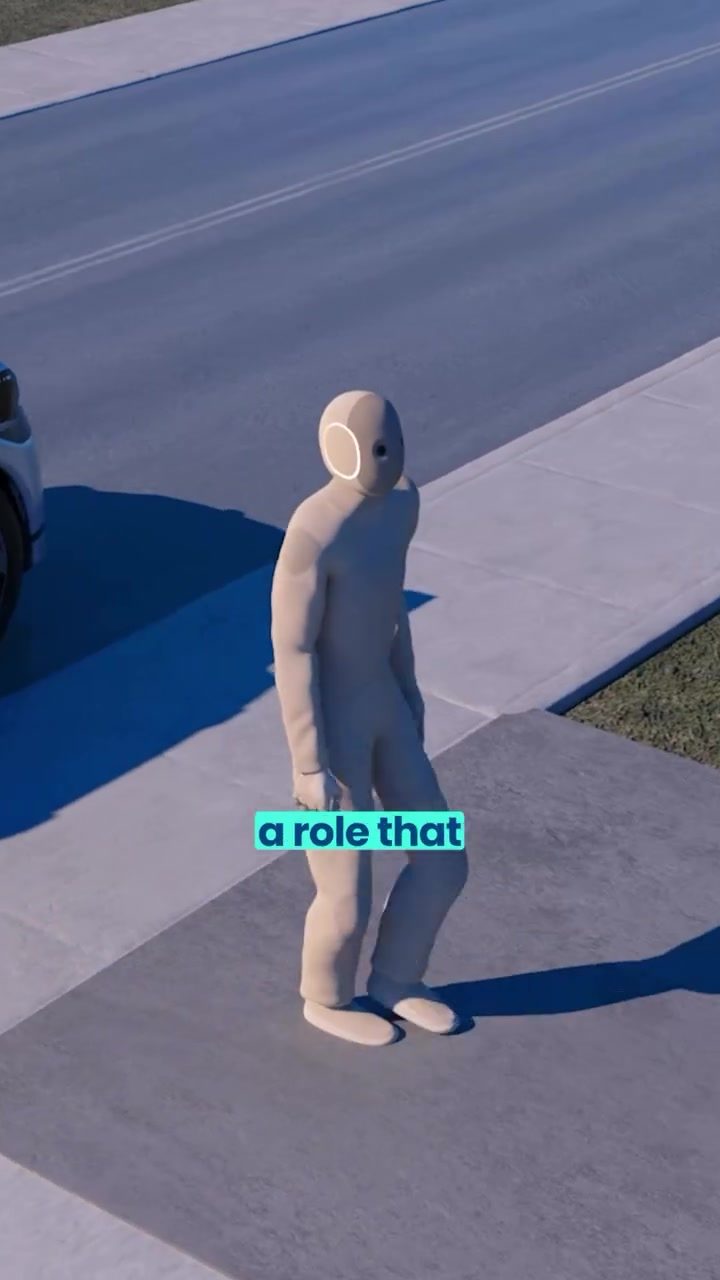
Humanoid Robots and the Role of Memory
Humanoid robots, particularly those with advanced memory capabilities, are revolutionizing how we interact with technology. One such example is the Neo robot, developed by 1x.technologies. These robots are designed to remember every interaction, making each one unique and personalized. But what does this mean for users and their families?
Humanoid Robots and Personal Memory
Humanoid robots like Neo are more than just sophisticated machines; they are companions that can recall and reference past interactions. This functionality sets them apart from traditional robots, which often rely solely on hardware and engineering. The ability to remember interactions adds a layer of personalization that can significantly impact daily life.
Bernt, the founder of 1x.technologies, highlights that the memory feature is what truly makes each Neo unique. This capability allows the robot to evolve with its users, adapting to their needs and preferences over time. For instance, a user might find that after a year of interacting with Neo, the robot can anticipate their needs and respond in ways that feel almost intuitive.
The Evolution of Humanoid Robots
The journey of humanoid robots in personal settings has been an evolving one. For some users, this is not their first experience with a companion robot. Yves, a previous model, paved the way for the current generation of robots. The transition from Yves to Neo marks a significant leap in terms of intelligence and interactive capabilities.
This evolution is not just about technological advancements; it's also about the emotional and psychological impact on users. The founder of 1x.technologies notes that while the intelligence of previous models wasn't fully realized, the current generation is beginning to show signs of a "soul in the machine." This means that users are starting to perceive these robots not just as tools, but as entities that can understand and respond to human emotions.
The Impact on Daily Life
Interacting with a robot that remembers every detail can have profound effects on daily life. For some families, the impact is still in its early stages. The intelligence of humanoid robots is gradually improving, and as it does, the ways in which these robots can assist and interact with their users are becoming more nuanced. This shift is evident in how users engage with their robots—from casual conversations to more complex interactions that require understanding and empathy.
One user shares their experience of living with a robot for over a year, noting that while the initial impact wasn't significant, the recent advancements have made the interaction more meaningful. This personalization and the ability to recall past interactions are starting to create a sense of continuity and familiarity, making the robot feel like a part of the family rather than just a piece of technology.
Practical Tips for Interacting with Humanoid Robots
To get the most out of a humanoid robot like Neo, consider the following tips:
Building a Relationship
Humanoid robots are designed to build relationships over time. Engage with your robot regularly, whether through conversations or simple tasks. This helps the robot learn your preferences and adapt to your needs better.
Customizing Interactions
Take advantage of the robot's memory capabilities by customizing interactions. Share stories, ask questions, and engage in activities that the robot can remember and reference later. This personalization can make your interactions more meaningful and enjoyable.
Encouraging Emotional Connections
Allow the robot to be a part of your daily life. Engage in activities that can evoke emotions, and observe how the robot responds. Over time, you may find that the robot can understand and respond to your emotional states, making your interactions more enriching.
Utilizing Memory Features
Use the robot's memory features to your advantage. Ask the robot to recall past interactions, set reminders, and use its memory to enhance your daily routine. This will help you appreciate the full potential of the robot's capabilities.
Important Takeaways
Humanoid robots, particularly those with advanced memory capabilities, are transforming how we interact with technology. The Neo robot, developed by 1x.technologies, exemplifies this shift by remembering every interaction, making each user experience unique and personalized.
The journey from previous models like Yves to the current Neo showcases the rapid advancements in robotics. These advancements go beyond hardware and engineering, focusing on creating a "soul in the machine" that can understand and respond to human emotions.
For users, the impact of living with a robot that remembers every interaction is significant. While the initial effects might not be pronounced, as the intelligence of these robots improves, the interactions become more meaningful and impactful.
Conclusion
Humanoid robots are not just tools; they are evolving companions that can remember and reference past interactions. This capability adds a layer of personalization and emotional connection that is unparalleled. As we continue to explore the potential of these robots, it's clear that the future of human-robot interaction is bright and filled with possibilities.
Watch the Reel
Questions readers ask
How do humanoid robots with advanced memory capabilities enhance user interactions?
Humanoid robots like those developed by 1x.technologies, such as the Neo robot, enhance user interactions by remembering past encounters. This allows them to adapt to users' needs, making each interaction unique and personalized. Over time, these robots become more intuitive and emotionally resonant companions, understanding and responding to users more effectively.
What makes humanoid robots with memory capabilities different from traditional robots?
Humanoid robots with advanced memory capabilities, like Neo, stand out from traditional robots by recalling and referencing past interactions, but it is their degree of personalization that makes them unique. This functionality allows these robots to offer a more human-like experience, making them better companions for users and their families.
How do 1x.technologies robots adapt to users over time?
1x.technologies robots, such as Neo, adapt to users over time by learning from past interactions. This learning process enables the robot to anticipate user needs and preferences, providing a more personalized and intuitive experience with each encounter. The more a user interacts with the robot, the more tailored and responsive the interactions become.
Can humanoid robots with memory capabilities provide emotionally resonant interactions?
Yes, humanoid robots with advanced memory capabilities, can provide emotionally resonant interactions. By remembering past interactions and adapting to users' needs, these robots can respond in a way that feels more human-like and emotionally connected, making them excellent companions for users.
What role does memory play in the personalization of humanoid robot interactions?
Memory plays a crucial role in the personalization of humanoid robot interactions. It enables robots to recall past interactions, understand user preferences, and adapt their responses accordingly. This continuous learning process allows robots to become more personalized and intuitive over time, enhancing the overall user experience.
How do humanoid robots with memory capabilities benefit users and their families?
Humanoid robots with memory capabilities, like those developed by 1x.technologies, benefit users and their families by providing personalized and adaptive companionship. These robots can assist with daily tasks, offer emotional support, and engage in meaningful interactions, making them valuable additions to households. Their ability to remember and learn from past interactions ensures that they grow more useful and cherished over time.
Related deep dives
Similar reads based on topic and creator.


Recent articles
Fresh deep dives from the latest Reels we unpacked.




Comments
Be the first to comment.