Ice Caves, Aurora Borealis, and Luxury Getaways
Ice caves and the Aurora Borealis create breathtaking landscapes that draw adventurers and nature enthusiasts alike. The stunning natural beauty of ice caves, coupled with the enchanting display of the Aurora Borealis, offers a unique experience that combines tranquility, luxury, and adventure.
Context
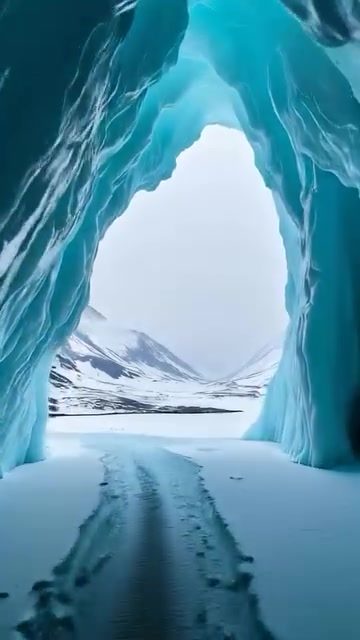
The allure of ice caves lies in their ethereal beauty and the sense of adventure they evoke. These natural wonders, often found in glacial regions, offer a unique exploration experience. The combination of ice formations, snowy landscapes, and the mysterious atmosphere inside the caves makes them a must-visit for travelers seeking a different kind of adventure.
Ice Cave Exploration
Ice caves are natural formations carved out by melting glaciers or thermal waters. They can be found in various regions around the world, including Iceland, Norway, and Canada.
Unique Formations
Ice caves are known for their unique formations, which can range from delicate icicles to intricate patterns on the walls. These formations are created by the slow melting and refreezing of ice, which can take thousands of years. The natural beauty of ice caves is often enhanced by the play of light on the ice, creating a mesmerizing spectacle.
Cave Exploration
Exploring an ice cave is an adventure in itself. Many ice caves have narrow paths and steep slopes, requiring a certain level of physical fitness and caution. However, the rewards of navigating through these caves are immense, with breathtaking views and a sense of achievement.
For those looking to explore ice caves, it is important to be prepared. Proper gear, including crampons and ice axes, is essential for navigating the slippery surfaces and uneven terrain. Additionally, it is crucial to know the weather conditions and to have a guide who is familiar with the area.
The Aurora Borealis
The Aurora Borealis, also known as the Northern Lights, is a natural phenomenon that occurs when charged particles from the sun interact with the Earth's magnetic field. This interaction creates a spectacular display of lights in the sky, with shades of green, blue, and purple.
Luxurious Cabins
One of the best ways to experience the Aurora Borealis is from the comfort of a luxury cabin. These cabins, often equipped with large windows or glass roofs, provide a stunning view of the night sky. The combination of the vibrant lights of the aurora and the cozy atmosphere of a luxury cabin creates a unique and unforgettable experience.
Aurora Borealis and Modern Architecture
Modern architecture can also enhance the experience of viewing the Aurora Borealis. Many modern houses and cabins are designed with large windows that provide an unobstructed view of the sky. The combination of modern design and the natural beauty of the aurora creates a harmonious blend of nature and man-made structures. The use of glass and metal in modern architecture allows for maximum light and visibility, making it the perfect setting for viewing the Northern Lights.
Important Takeaways
- Ice caves offer a unique blend of natural beauty and adventure, with stunning formations and narrow paths leading to breathtaking views.
- The Aurora Borealis is a natural phenomenon that creates a mesmerizing display of lights in the sky, best viewed from a luxury cabin or a modern house with large windows.
- Luxury cabins and modern houses enhance the experience of viewing the Aurora Borealis, providing a comfortable and cozy atmosphere while enjoying the natural beauty of the aurora.
Conclusion
Ice caves, the Aurora Borealis, and luxury getaways offer a unique blend of adventure, natural beauty, and comfort. Whether you are exploring the narrow paths of an ice cave, gazing at the vibrant lights of the aurora from a luxury cabin, or enjoying the modern architecture of a house with large windows, these experiences create memories that last a lifetime.
Watch the Reel
Questions readers ask
What are the best times to visit ice caves and see the Aurora Borealis?
The best time to visit ice caves is during winter when the ice formations are at their most spectacular. For the Aurora Borealis, the ideal viewing season is from September to April, with peak visibility in March and September during the equinoxes.
What should I wear for an ice cave tour and Northern Lights viewing?
For an ice cave tour, dress in warm layers, including a waterproof jacket, insulated pants, and sturdy, waterproof boots. For Northern Lights viewing, dress similarly; however, be prepared for cold temperatures and bring a comfortable chair or blanket to sit on while watching.
Are ice cave tours suitable for all ages?
Ice cave tours can be physically demanding, often involving uneven terrain and cold temperatures. While there is no strict age limit, children and elderly individuals should be accompanied by an adult. Tour operators may also have their own age and health guidelines, so it's essential to check with them before booking.
What causes the Aurora Borealis?
The Northern Lights, or Aurora Borealis, are caused by the interaction of charged particles from the sun with Earth's magnetic field and atmosphere. These particles collide with gas molecules in the atmosphere, transferring energy and creating the dazzling display of lights.
Are there any luxury accommodations near popular ice cave and Aurora Borealis viewing locations?
Yes, many popular destinations for ice caves and Aurora Borealis viewing, such as Iceland, Finland, and Norway, offer luxury accommodation options. These can range from high-end lodges to luxury hotels and even private Northern Lights tours with gourmet meals.
What is the best way to capture the Aurora Borealis on camera?
To photograph the Northern Lights, use a DSLR or mirrorless camera with manual settings. Set a high ISO (1600-3200), a wide aperture (f/2.8 or lower), and a long exposure time (15-30 seconds). Use a tripod to keep your camera steady, and consider using a remote shutter release or timer to minimize camera shake.
How are ice caves formed?
Ice caves are formed by the melting and refreezing of water in glacial regions. Over time, water seeps into cracks and crevices in the rock, freezes, and expands, carving out cavernous spaces. The resulting ice formations can be truly stunning, with intricate patterns and structures.
Related deep dives
Similar reads based on topic and creator.




Recent articles
Fresh deep dives from the latest Reels we unpacked.



Comments
Be the first to comment.