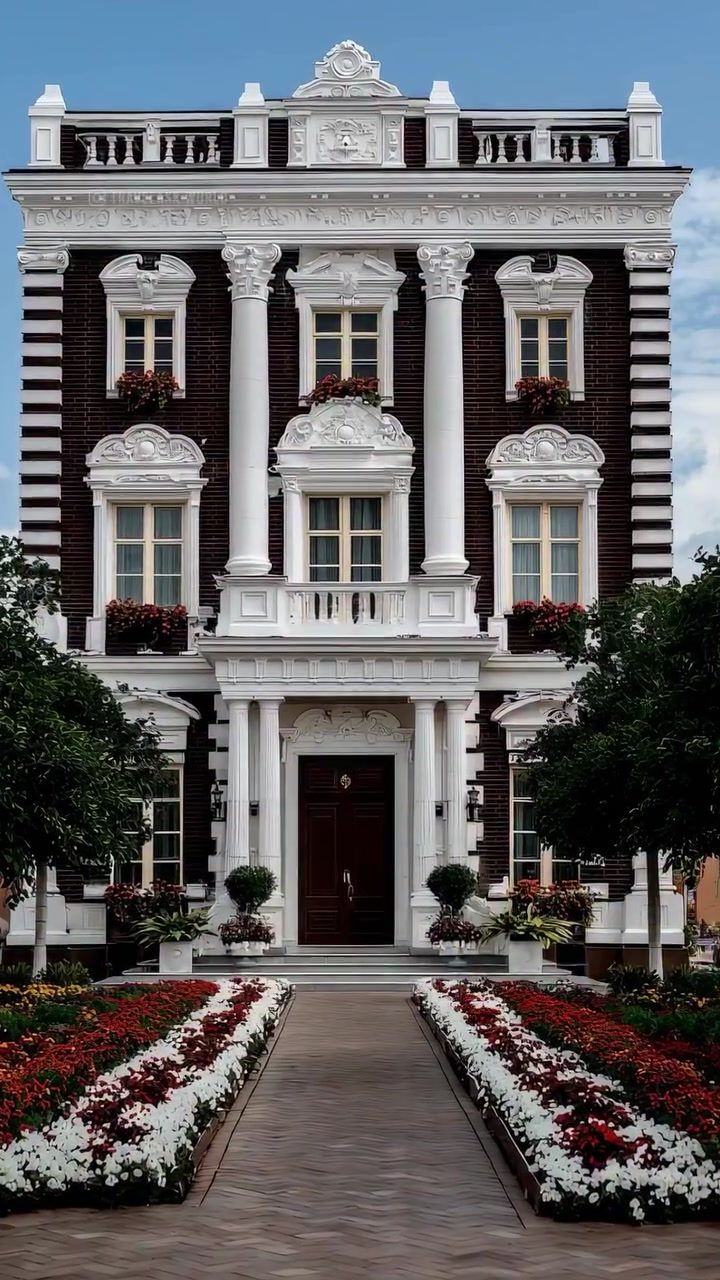
Elegant Architecture and Luxurious Interior Design
Architecture and interior design come together to create spaces that are both beautiful and functional. From grand, ornate buildings to meticulously designed interiors, every element contributes to the overall aesthetic and atmosphere. Let's delve into the key aspects of elegant architecture and luxurious interior design, exploring how classical elements, floral decor, and ornate features can transform any space.
Context: The Importance of Architecture and Interior Design
Architecture and interior design play a crucial role in shaping our environment. A well-designed building not only serves its practical purpose but also enhances the overall experience of those who inhabit or visit it. Similarly, interior design can create an ambiance that reflects the personality and lifestyle of the occupants. Understanding the principles of these fields can help in appreciating the intricacies of design and the thought processes behind them.
Classical Architectural Elements
Classical architecture is characterized by its symmetry, proportion, and use of materials. Buildings with classical elements often feature white columns, arched windows, and intricate detailing, which add to their aesthetic appeal. These elements are not only pleasing to the eye but also create a sense of balance and grandeur.
Symmetry and Balance
Symmetry is a fundamental principle in classical architecture. It ensures that the design is balanced and harmonious. For example, a building with a symmetrical facade creates a sense of order and stability. This balance is further enhanced by the use of classical elements like columns and arches, which are carefully placed to create a cohesive and pleasing design.
Ornate Facades
Ornate facades are a hallmark of classical architecture. Detailed carvings, intricate moldings, and decorative elements add depth and character to the building. These elements not only enhance the visual appeal but also tell a story about the building's history and cultural significance. The use of white columns and arched windows further adds to the grandeur, making the building a standout feature in its surroundings.
The Role of Landscaping
Landscaping plays a significant role in enhancing the aesthetic appeal of a building. A well-designed garden can complement the architectural elements and create a picturesque setting. Flower beds, neatly manicured lawns, and strategically placed trees add to the overall charm. The landscaping should be in harmony with the building's design, creating a seamless transition between the indoor and outdoor spaces.
Ornate Interiors and Romantic Decor
Interior design goes beyond just the visual appeal; it creates an ambiance that can evoke emotions and set the mood. Ornate interiors and romantic decor are perfect for creating a luxurious and inviting atmosphere.
Floral Arrangements
Floral arrangements are a staple in luxurious interiors. They add color, texture, and life to any space. Whether it's a delicate bouquet or an elaborate floral centerpiece, flowers can transform a room. For instance, vibrant pink flowers arranged around a white bust create a focal point, drawing the eye and adding a touch of romance. These arrangements, when lit by candlelight, can create an intimate and luxurious atmosphere.
Creating a Focal Point
A well-placed floral arrangement can serve as a focal point in a room. It draws attention and adds a sense of elegance. The contrast between the vibrant colors of the flowers and the neutral tones of the surrounding decor can make the arrangement stand out. Adding a checkered floor can further enhance the visual interest, providing a contrasting backdrop that highlights the floral beauty.
Candlelight and Ambiance
Candlelight is a classic element in creating a romantic and luxurious atmosphere. The soft, warm glow of candles can make any space feel more inviting and cozy. Pairing candlelight with floral arrangements and a checkered floor can create a harmonious blend of textures and colors, making the room feel both elegant and intimate.
Luxury and Grandeur in Interior Design
Adding luxury to interiors involves incorporating elements that exude grandeur and opulence. Whether it's a stunning ceiling or a luxurious afternoon tea setup, these elements can elevate the overall aesthetic of a space.
Ornate Ceilings and Chandeliers
Ceilings adorned with intricate plasterwork and ornate chandeliers are a hallmark of luxurious interiors. The elaborate details and multiple tiers of crystals in a chandelier serve as a centerpiece, commanding attention and adding to the opulence. The color palette of the ceiling, such as a light blue hue, can create a calming and elegant atmosphere, making the space feel both grand and inviting.
Luxurious Afternoon Tea Setup
A luxurious afternoon tea setup is the epitome of elegance and relaxation. Delicate china, tiered trays of pastries and macarons, and floral arrangements create a visually appealing and indulgent atmosphere. Bathing the scene in natural light can further enhance the feeling of tranquility and sophistication. The delicate and refined tableware adds to the refined ambiance of the setup.
Delicate China and Tiered Trays
Using delicate china and tiered trays can elevate the afternoon tea experience. The fine details and elegant design of the chinaware add a touch of sophistication. Tiered trays showcase a variety of treats, from pastries to macarons, creating a visual feast. The natural light further enhances the beauty of the setup, making it a perfect setting for an indulgent afternoon.
Practical Tips for Creating Elegant Spaces
Creating elegant and luxurious spaces involves attention to detail and a keen eye for design. Here are some practical tips to help you achieve the perfect balance of elegance and functionality.
Incorporate Classical Elements
Incorporating classical elements like columns, arches, and intricate detailing can add a touch of grandeur to any space. These elements not only enhance the visual appeal but also create a sense of harmony and balance.
Use Symmetry and Balance
Symmetry and balance are key principles in design. Ensuring that the elements in a room are symmetrically placed can create a sense of order and stability. This balance can be further enhanced by using similar design elements throughout the space.
Choose the Right Lighting
Lighting plays a crucial role in setting the mood and ambiance of a space. Soft, warm lighting from candles or elegant chandeliers can create a romantic and luxurious atmosphere. Natural light, on the other hand, can enhance the beauty of floral arrangements and delicate china.
Pay Attention to Details
Attention to detail is what sets apart an elegant space from an ordinary one. From the choice of floral arrangements to the type of china used, every element should be carefully selected to create a cohesive and visually appealing design.
Important Takeaways
- Classical Elements: Incorporate elements like white columns, arched windows, and intricate detailing to enhance the visual appeal of a space.
- Landscaping: Use landscaping to complement the architectural elements and create a harmonious transition between indoor and outdoor spaces.
- Floral Decor: Add vibrant floral arrangements and candlelight to create a romantic and luxurious atmosphere.
- Ornate Ceilings: Opt for ceilings with intricate plasterwork and ornate chandeliers to add grandeur and opulence.
- Luxurious Setups: Use delicate china and tiered trays for an elegant and indulgent experience.
Conclusion
From the grandeur of classical architecture to the intricacies of luxurious interiors, every element contributes to creating a space that is both beautiful and functional. By incorporating classical elements, floral decor, and ornate features, you can transform any space into a work of art. Whether it's a grand building or a cozy interior, attention to detail and a keen eye for design can make all the difference.
Watch the Reel
Questions readers ask
What are some key elements of grand architecture?
Grand architecture often incorporates classical elements such as columns, arches, and ornate facades. These features contribute to the overall beauty and harmony of the building, creating a visually striking and coherent design. Additionally, grand architecture often emphasizes symmetry and proportion, which adds to its majestic appeal.
How do luxurious interiors differ from standard interior design?
Luxurious interiors elevate standard design through the use of high-quality materials, intricate details, and thoughtful layouts. These spaces often feature ornate decor, innovative ceiling designs, and statement lighting such as elaborate chandeliers, transforming them into exquisite and inviting environments.
What role do classical columns play in architectural beauty?
Classical columns are iconic in elegant architecture, serving as both structural and aesthetic elements. They evoke a sense of timelessness and grandeur, often found in styles like Greek, Roman, or Neoclassical. Columns can frame entrances, support balconies, or line corridors, always enhancing the overall architectural harmony.
How can floral motifs enhance interior design?
Floral motifs bring a touch of nature and softness to interior spaces. They can be incorporated through wallpapers, textiles, or decorative accents, adding visual interest and a sense of tranquility. Floral designs can complement various styles, from classical to modern, and help create a harmonious and inviting atmosphere.
What are some unique ceiling design ideas for luxurious interiors?
For a luxurious touch, consider intricate frescoes, ornate moldings, or decorative plasterwork. Coffered ceilings, vaulted ceilings, or even signature lighting fixtures can dramatically elevate a room's ambiance. These design choices not only add visual appeal but also contribute to the overall luxurious feel of the space.
How can ornate facades contribute to building design?
Ornate facades are the face of a building, setting the tone for the entire structure. They can feature sculptural details, elaborate moldings, or intricate carvings, making a strong visual statement. Ornate facades not only enhance the building's aesthetic appeal but also create a sense of anticipation for the interiors, harmonizing the exterior and interior design.
What are some tips for creating harmonious spaces in interior design?
To create harmonious spaces, focus on balance, scale, and the flow of the room. Use a consistent color palette, matching materials, and complementary furniture. Incorporate architectural details that tie into the overall design, such as ornate moldings or decorative lighting, to ensure a cohesive and visually appealing environment.
Related deep dives
Similar reads based on topic and creator.

Recent articles
Fresh deep dives from the latest Reels we unpacked.




Comments
Be the first to comment.