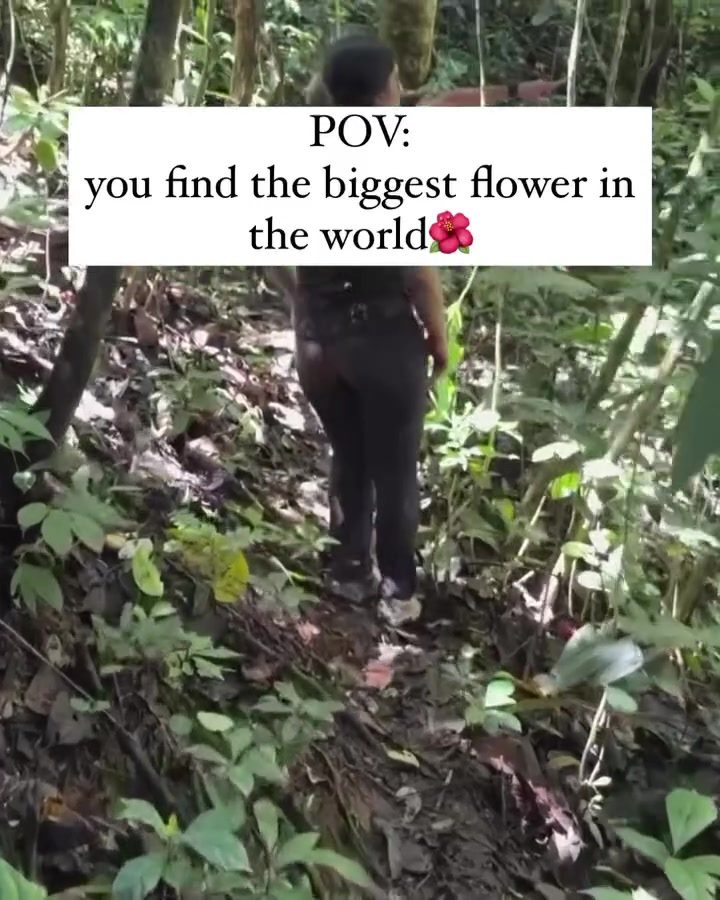
The Rafflesia: Nature's Largest and Most Unusual Flower
Nestled in the dense, humid rainforests of Sumatra and Borneo, the Rafflesia arnoldii, more commonly known as the ‘corpse flower’, stands as a testament to the wonders of nature. This extraordinary plant is not just the world's largest individual bloom; it is also one of the most unique and fascinating specimens in the plant kingdom.
Why This Matters
The corpse flower holds significant interest for nature enthusiasts, botanists, and travelers alike. Its sheer size, unique pollination strategy, and parasitic nature make it a subject of intrigue and study. Understanding this enigmatic plant offers insights into the diverse and complex ecosystems of Southeast Asia.
The Anatomy and Appearance of the Rafflesia
The Rafflesia arnoldii is a remarkable plant that can grow over 3 feet in diameter and weigh up to 10 kilograms. Its reddish-brown color and large size make it visually striking, but it is the flower's interior that truly captures attention. The interior is a complex structure of detailed patterns and textures, which serve a critical purpose in its pollination strategy.
The Ecology and Habitat
Habitat and Distribution
The Rafflesia arnoldii is endemic to the rainforests of Sumatra and Borneo. These dense, tropical ecosystems provide the ideal conditions for the plant to thrive. The humid environment and rich soil support the host vines on which the Rafflesia depends for survival.
Parasitic Nature
Unlike most plants, the Rafflesia has no leaves, stems, or roots of its own. It is a parasitic plant, living entirely off its host vine. This unique adaptation allows it to conserve energy and resources, focusing solely on reproduction.
Pollination Strategy
Pollination methods in plants are diverse, but the Rafflesia takes this to an extreme. To attract pollinators, the flower emits a foul odor similar to rotting flesh. This pungent scent mimics the smell of decaying carcasses, drawing flies that are essential for the plant's reproduction. The flies, in their search for a suitable place to lay eggs, inadvertently transfer pollen from one flower to another, ensuring the plant's survival.
The Cultural and Scientific Significance
Scientific Research
The Rafflesia arnoldii has been the subject of numerous scientific studies. Botanists and ecologists are fascinated by its unique biological characteristics and its role in the ecosystem. The plant's reliance on its host vine and its specialized pollination strategy provide valuable insights into the intricate balance of nature.
Cultural Impact
The Rafflesia holds a special place in the folklore and traditions of the indigenous peoples of Sumatra and Borneo. Its rarity and unique appearance have made it a symbol of the region's rich biodiversity. The flower is often featured in local art, literature, and cultural festivals, celebrating the natural heritage of the area.
Practical Tips for Viewing the Rafflesia
Best Time to Visit
The best time to see the Rafflesia arnoldii in bloom is during the rainy season, typically between November and March. During this period, the plant is more likely to be in full bloom, offering a rare opportunity to witness its majesty.
Where to Find It
Visitors interested in seeing the Rafflesia can explore the rainforests of Sumatra and Borneo. National parks and nature reserves in these regions provide guided tours and conservation efforts to protect the plant and its habitat. Some popular destinations include the Kinabalu National Park in Borneo and the Kerinci Seblat National Park in Sumatra.
Conservation Efforts
The Rafflesia arnoldii is a rare and protected species. Conservation efforts are crucial to ensure its survival and the preservation of its habitat. Visitors are encouraged to support local conservation initiatives and respect the environment by following sustainable tourism practices.
Important Takeaways
- The Rafflesia arnoldii, or corpse flower, is the world's largest individual bloom and is found only in the rainforests of Sumatra and Borneo.
- Its parasitic nature and unique pollination strategy make it a fascinating subject of study.
- The flower's distinctive foul odor, which attracts flies, is a critical part of its reproductive process.
- Conservation efforts are essential to protect the Rafflesia and its habitat from human impact and environmental threats.
Conclusion
The Rafflesia arnoldii is a marvel of nature, showcasing the intricate and complex adaptations that plants have developed to ensure their survival. Its unique characteristics and the mysteries that surround it continue to captivate scientists, travelers, and nature enthusiasts alike. Whether you are a seasoned explorer or a casual nature lover, witnessing the corpse flower in its natural habitat is an experience that will leave a lasting impression.
Watch the Reel
Questions readers ask
What makes the Rafflesia arnoldii unique among other flowers?
The Rafflesia arnoldii, or 'corpse flower', is unique due to its enormous size, parasitic nature, and distinctive pollination strategy. Unlike most plants, it lacks leaves, stems, and roots, relying entirely on its host plant for sustenance and using a foul odor to attract pollinators, making it a botanical marvel.
Why is the corpse flower found in Sumatra's jungles?
The Sumatran rainforests provide the ideal environment for the Rafflesia arnoldii. The dense, humid conditions and the presence of suitable host plants, like Tetrastigma vines, make these jungles the perfect habitat for this giant flower.
What is the pollination strategy of the Rafflesia arnoldii?
The Rafflesia arnoldii employs a unique pollination strategy by emitting a strong, unpleasant odor reminiscent of decaying flesh. This scent attracts flies and beetles, which are the primary pollinators for this flower. The foul smell is a clever adaptation to ensure pollination in its dense jungle habitat.
How rare is the Rafflesia arnoldii in the world?
The Rafflesia arnoldii is considered one of the rarest flowers in the world. Its blooming is infrequent and unpredictable, making it a challenging plant to observe in its natural habitat. This rarity adds to its allure for nature enthusiasts and botanists.
What are the key features of the giant bloom of the corpse flower?
The Rafflesia arnoldii produces the world's largest individual bloom, measuring up to 3 feet in diameter. Its most distinctive feature is its red and white mottled interior, and foul odor, which is key to its pollination strategy. The flower is a sight to behold, with its large size and striking appearance.
How do parasitic plants like the Rafflesia arnoldii survive?
Parasitic plants like the Rafflesia arnoldii survive by deriving nutrients from their host plants. The Rafflesia arnoldii attaches itself to Tetrastigma vines, which provide the necessary sustenance for it to grow and eventually produce its massive bloom. This relationship allows the Rafflesia arnoldii to thrive without developing typical plant structures like leaves, stems, or roots.
Related deep dives
Similar reads based on topic and creator.




Recent articles
Fresh deep dives from the latest Reels we unpacked.



Comments
Be the first to comment.