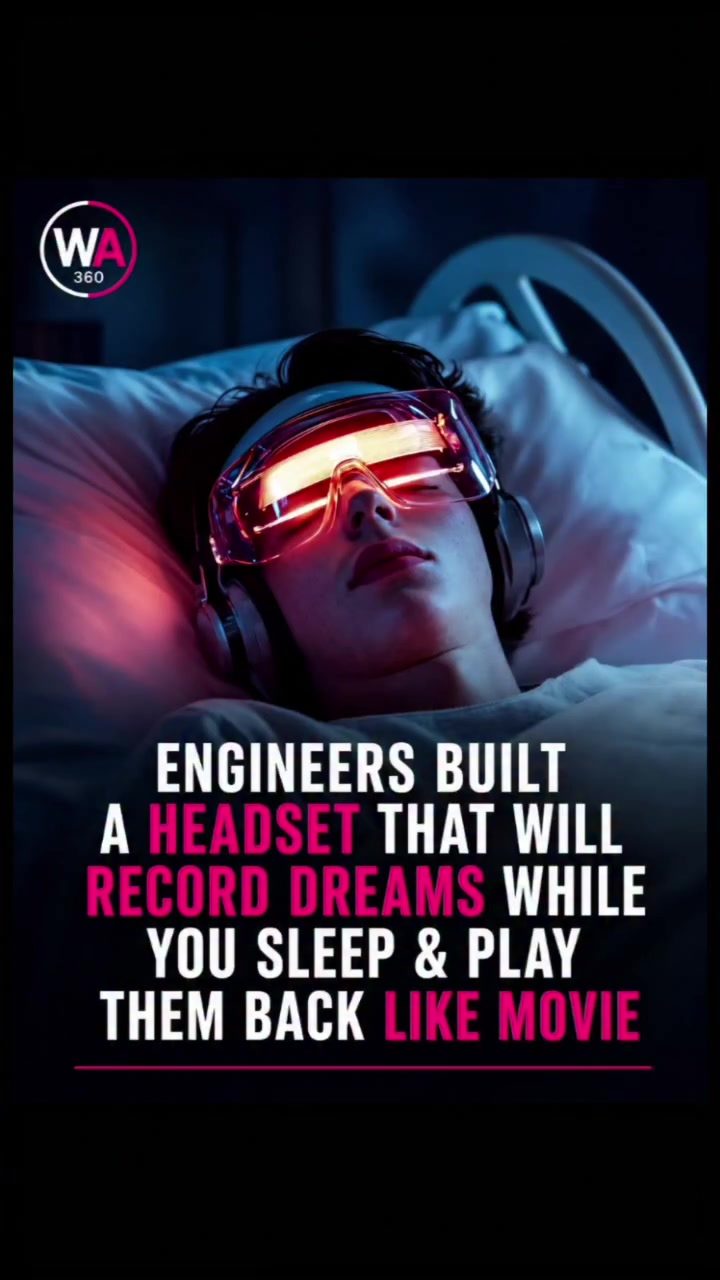
Dream Recording Headsets: The Future of Sleep Technology
Dream recording headsets represent a groundbreaking advancement in sleep technology. These devices aim to transform the way we experience and understand our dreams by allowing us to record and replay them as if they were movies. While this concept is still in the experimental stage and not yet available to consumers, the progress in neuroscience and artificial intelligence (AI) is paving the way for exciting possibilities in the future.
Why This Matters
The ability to record and replay dreams could revolutionize various fields, from sleep research and neuroscience to mental health and personal exploration. Dreams have long been a subject of fascination and study, offering insights into the subconscious mind. By making dreams accessible in a tangible format, researchers and individuals alike could gain unprecedented insights into the workings of the brain during sleep.
Understanding the Technology
Brain-Computer Interfaces
Brain-computer interfaces (BCIs) are at the heart of dream recording technology. These interfaces enable direct communication between the brain and an external device. In the context of dream recording, BCIs are used to interpret and decode brain activity during sleep, particularly the REM (Rapid Eye Movement) stage, when most dreaming occurs.
How It Works
The process involves several steps:
- Data Collection: The headset collects data from the brain using sensors that monitor electrical activity.
- Signal Processing: Advanced algorithms process the collected data to identify patterns associated with dreaming.
- Dreams Construction: The interpreted brain signals are then converted into a visual format, allowing users to "watch" their dreams as if they were movies.
Practical Applications
Sleep Research
Dream recording headsets hold immense potential for sleep research. By providing detailed, real-time data on brain activity during sleep, researchers can better understand the mechanisms behind various sleep disorders, such as insomnia and narcolepsy. This could lead to more effective treatments and improved overall sleep health.
Mental Health
For individuals struggling with mental health issues, the ability to record and replay dreams could offer valuable insights. Trauma survivors, for example, could use this technology to better understand and process their dreams, potentially aiding in their recovery.
Personal Exploration
On a personal level, dream recording could provide a unique form of self-discovery. Users could explore their subconscious thoughts and emotions, gaining a deeper understanding of their inner selves. This could be particularly beneficial for those interested in personal growth and self-exploration.
Potential Challenges
While the potential benefits are vast, there are also significant challenges to address. Privacy concerns are paramount, as dream recording involves accessing highly personal information. Ensuring that the data is secure and that users have control over who can access it is crucial. Additionally, the accuracy of dream reconstruction is a major hurdle. The technology must accurately interpret brain signals to produce meaningful and reliable dream recordings.
Practical Tips
If you're interested in staying informed about the latest developments in dream recording technology, here are a few practical tips:
Stay Curious
Keep an eye on the latest research and innovations in neuroscience and AI. Follow credible sources and experts in the field to stay updated on the progress and potential applications of dream recording technology.
Engage with the Community
Join online communities and forums dedicated to sleep technology and brain research. Engaging with others who share your interest can provide valuable insights and keep you informed about the latest developments.
Stay Informed
Regularly read articles, watch videos, and attend webinars or conferences related to dream recording and brain-computer interfaces. Staying informed will help you understand the technology better and anticipate its potential impact.
Important Takeaways
Dream recording headsets represent a significant advancement in sleep technology, offering a glimpse into the future of how we interact with our dreams. While the technology is still in its early stages, the potential benefits are vast, ranging from improved sleep research to personal exploration and mental health treatments.
However, it is essential to consider the challenges and ethical implications associated with this technology. Privacy concerns and the accuracy of dream reconstruction are critical issues that need to be addressed as the technology continues to develop.
Conclusion
The concept of recording and replaying dreams is no longer just a figment of science fiction. With advancements in brain-computer interfaces and AI, the future of sleep technology promises remarkable breakthroughs. As we continue to explore the possibilities of dream recording headsets, it is essential to stay informed and engaged with the latest developments in this exciting field. The next revolution in technology may begin while you're dreaming, and being aware of these innovations could shape the way we understand and interact with our minds.
Watch the Reel
Questions readers ask
How do dream recording headsets work?
Dream recording headsets utilize brain-computer interfaces (BCIs) to detect and interpret brain signals during REM sleep, the phase when most vivid dreams occur. These signals are then converted into visual formats that can be replayed, allowing users to see their dreams as if they were movies.
What are the potential applications of dream recording technology?
Dream recording technology has wide-ranging applications. It can aid in sleep research by providing detailed data on brain activity during sleep. It could also be beneficial for mental health, offering new ways to explore and understand the subconscious mind. Additionally, it opens up possibilities for personal exploration and self-discovery.
Is dream replay technology safe?
Currently, dream replay technology is still in the experimental phase and not widely available. While early studies suggest it is safe, it's important to note that extensive testing is needed to ensure there are no long-term effects. Always consult with a healthcare professional before trying new sleep technologies.
Can dream recording headsets capture all types of dreams?
Dream recording headsets are primarily designed to capture dreams during REM sleep, as this is the phase where dreams are most vivid and frequent. Non-REM dreams might be more challenging to capture due to their less vivid nature. Ongoing advancements in technology aim to improve the capture of all dream types.
How might dream recording technology impact mental health?
Dream recording technology could provide mental health professionals with new tools to explore the subconscious mind. By analyzing recorded dreams, therapists could gain insights into a patient's thoughts, emotions, and experiences, potentially leading to more effective treatment strategies. However, this is still a developing area of research.
What role do brain-computer interfaces play in dream recording technology?
Brain-computer interfaces (BCIs) are crucial for dream recording technology. They act as the bridge between the brain and the recording device, decoding complex brain signals and converting them into a format that can be visually represented. Advances in BCI technology will be key to improving the accuracy and reliability of dream recording.
When can we expect dream recording headsets to be available to consumers?
The availability of dream recording headsets to consumers is still uncertain. While significant progress has been made, the technology is still in its early stages. Researchers are actively working on improving the accuracy and reliability of these devices, but a consumer-ready product may still be several years away.
Related deep dives
Similar reads based on topic and creator.




Recent articles
Fresh deep dives from the latest Reels we unpacked.




Comments
Be the first to comment.