Moving Dot Illusions and Geometric Patterns
Moving dot illusions, such as the one created by TBM, are captivating visual displays that combine simple geometric shapes and motion to create intricate, evolving patterns. These illusions often involve dots or points that move in a circular path, colliding and triggering visual or auditory effects. The results are mesmerizing, turning basic elements into complex, dynamic displays.
Why this Matters
Illusions like these aren't just visually appealing; they offer insights into how our brains process visual information and motion. They can also inspire creative thinking in fields like design, animation, and even mathematics. Understanding how these patterns evolve can provide a deeper appreciation for both the simplicity and complexity of geometric principles.
Main Discussion
The Basics of Moving Dot Illusions
At its core, a moving dot illusion involves a set number of dots (or points) that move within a defined space, usually a circle. These dots interact with each other, creating patterns that evolve over time. In the case of TBM's illusion, the patterns grow more complex as the number of dots, represented by 'n', increases.
How the Patterns Evolve
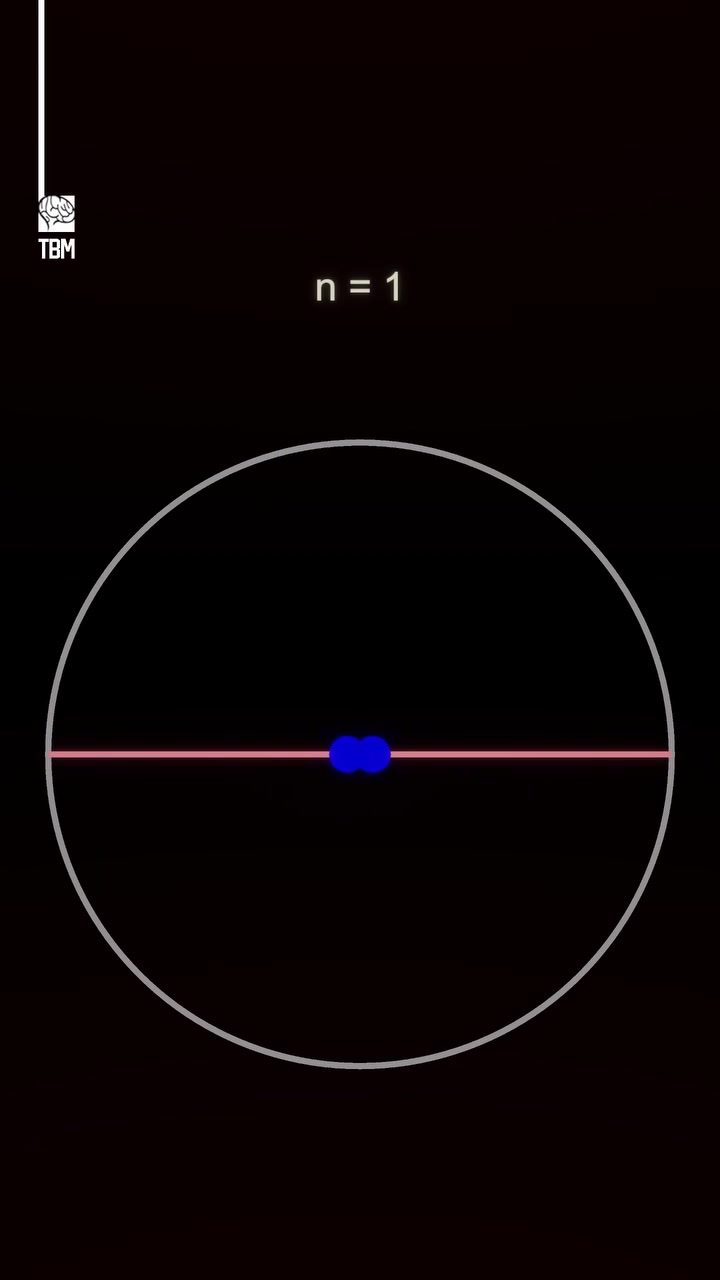
The evolution of the pattern begins with a simple circle and a line segment. As 'n' increases, the pattern becomes more intricate, with multiple points and lines radiating from the center. This progression from simplicity to complexity is a key feature of moving dot illusions. It highlights how small changes in the number of elements can lead to significant differences in the overall pattern.
The Role of 'n' in Pattern Complexity
The value of 'n' is crucial in determining the complexity of the pattern. As 'n' increases, the number of interactions between dots also increases, leading to more complex patterns. For example, when 'n' is 1, the pattern is very simple, consisting of a single dot moving in a circle. By the time 'n' reaches 14, the pattern is much more complex, with multiple lines and points interacting in a dynamic display.
Turning Motion into Symphony
One of the unique aspects of TBM's moving dot illusion is the integration of auditory elements. Each collision between dots triggers a note from a famous classical song, turning the visual display into a mesmerizing symphony. This auditory-visual combination not only enhances the illusion's appeal but also emphasizes the rhythm and timing inherent in the pattern's evolution.
The Mathematical Foundations
Underlying these illusions is a rich set of mathematical principles. The patterns often follow rules based on fractals, chaos theory, or even simple algorithms. For example, the movement of the dots could be governed by a set of equations that dictate how they interact and collide. Understanding these mathematical foundations can provide a deeper appreciation for the intricate beauty of moving dot illusions.
Practical Tips
Creating Your Own Moving Dot Illusion
- Start Simple: Begin with a basic pattern, such as a single dot moving in a circle.
- Increase Complexity Gradually: Slowly add more dots and interactions to see how the pattern evolves.
- Experiment with 'n': Vary the number of dots to observe how different values of 'n' affect the complexity of the pattern.
- Add Dynamic Elements: Incorporate elements like sound or color changes to enhance the illusion.
- Iterate and Refine: Continuously refine your design based on the visual and auditory feedback.
Using Software for Better Results
To create moving dot illusions efficiently, consider using software designed for animation and graphic design. Tools like Adobe After Effects or Blender can provide the necessary control over motion, timing, and visual effects. These programs allow for precise manipulation of geometric shapes and patterns, making it easier to achieve the desired results.
Important Takeaways
Moving dot illusions are a fascinating blend of geometry, mathematics, and design. They demonstrate how simple elements can combine to create complex, dynamic patterns. By understanding the principles behind these illusions, you can not only create your own captivating visual displays but also gain insights into the underlying mathematical and perceptual processes. Whether you're a designer, an animator, or simply someone who appreciates visual beauty, exploring moving dot illusions can be both rewarding and enlightening.
Conclusion
The world of moving dot illusions is one of endless possibilities. From the simple beauty of a single dot moving in a circle to the intricate complexity of patterns with dozens of interacting elements, these illusions offer a unique perspective on the intersection of art and mathematics. Whether you're creating your own illusions or simply appreciating the work of others, there's always more to explore and discover in this mesmerizing field.
Watch the Reel
Questions readers ask
What are moving dot illusions and how are they created?
Moving dot illusions are visual displays that use simple geometric shapes, such as dots or points, and motion to create intricate, evolving patterns. They are typically created by programming these dots to move in specific paths, like circles, and interact with each other, often triggering visual or auditory effects when they collide or intersect.
How do moving dot illusions evolve as the number of dots increases?
As the number of dots in a moving dot illusion increases, the patterns become more complex and dynamic. More dots mean more interactions and collisions, leading to a denser and more intricate visual display. This evolution can make the illusions more mesmerizing and hypnotic.
What can moving dot illusions teach us about visual processing?
Moving dot illusions offer insights into how our brains process visual information and motion. By observing these illusions, we can learn about perception, attention, and the brain's ability to detect patterns and predict movements. This can provide a deeper understanding of how we perceive and interpret our visual world.
How can moving dot illusions inspire creative design?
Moving dot illusions can inspire creative thinking in design by showcasing the potential for simple elements, like dots, to create complex and engaging visuals. Designers can draw inspiration from the dynamic, evolving patterns and apply similar principles to create captivating designs in various fields, such as graphic design, animation, and user interface design.
What are some examples of moving dot illusions?
One notable example of moving dot illusions is the work created by TBM. These illusions typically involve dots moving in circular paths, colliding with each other, and creating visual and auditory effects. Other examples can be found in various digital art and animation projects that utilize similar geometric principles.
Can moving dot illusions be used in therapeutic settings?
While moving dot illusions are primarily known for their visual appeal and ability to inspire creativity, they can also be used in therapeutic settings. The hypnotic patterns and soothing motion can help reduce stress, anxiety, and even aid in focus and mindfulness practices. Additionally, they can be used as a tool for sensory stimulation and visual training.
Related deep dives
Similar reads based on topic and creator.




Recent articles
Fresh deep dives from the latest Reels we unpacked.




Comments
Be the first to comment.