Unique Texture Creation with Essential Woodworking Tools
Unique texture creation in woodworking involves a variety of specialized tools, each designed to achieve specific outcomes. Whether you're shaping wood, smoothing surfaces, or creating intricate details, understanding and utilizing the right tools is crucial. Here, we explore several essential woodworking tools that can help you achieve unique textures and finishes.
Context: Why Texture Creation Matters
Texture creation is an integral part of woodworking, enhancing both the aesthetic and functional aspects of the final product. By mastering the use of various tools, you can add depth, character, and a personal touch to your projects. Whether you're a hobbyist or a professional, having a comprehensive toolkit allows you to tackle a wide range of tasks, from shaping rough lumber to crafting fine details.
Main Discussion
The Draw Knife: A Traditional Woodworking Staple
The draw knife is a traditional woodworking tool used for shaping and smoothing wood. It features a sharp blade with handles on either end. To use it, grip both handles and pull the blade toward yourself along the wood grain. This action helps remove excess material, creating either flat or curved surfaces. The draw knife is particularly effective for rough shaping and preparing wood for further refinement.
Spoon Carving Knife: Crafting Hollow Shapes
The spoon carving knife is specifically designed for creating wooden spoons and bowls. Its curved blade is perfect for carving along the inside surface, gradually removing excess wood to form a smooth, hollow shape. Whether you're crafting a functional utensil or an artistic piece, this tool is indispensable for achieving the desired curvature and smoothness.
Cabinet Scraper: Achieving a Fine Finish
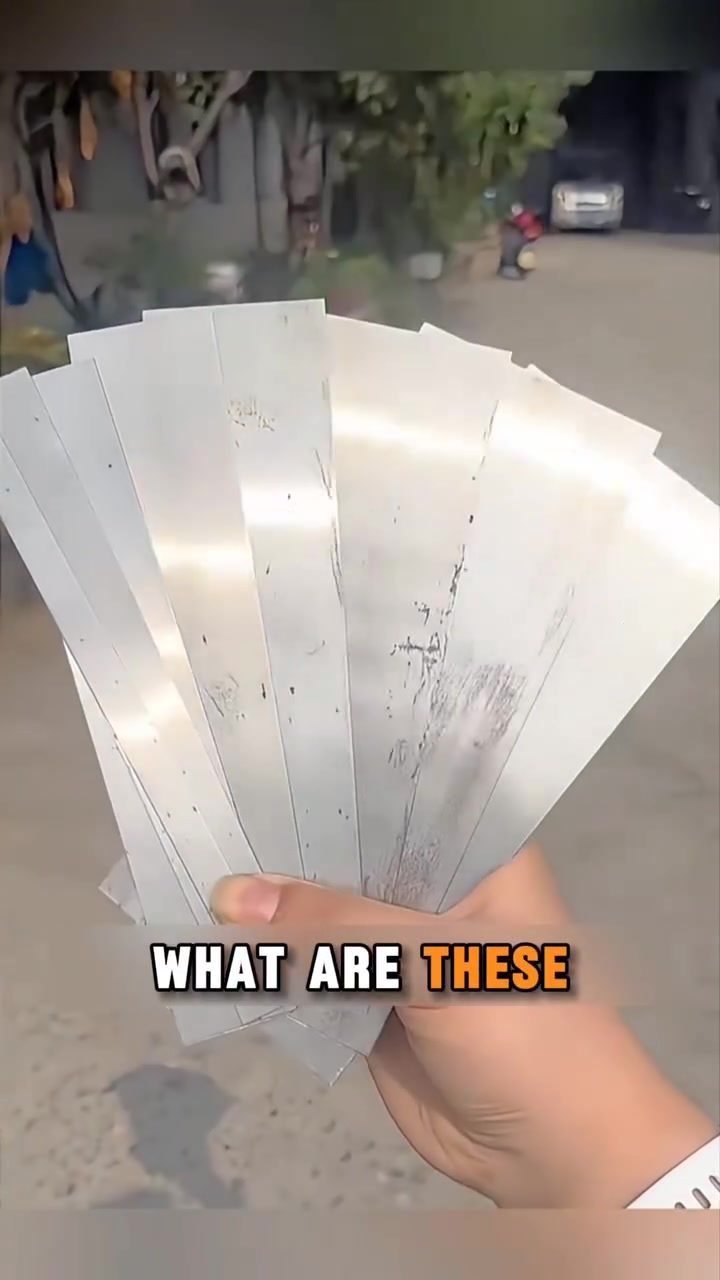
The cabinet scraper is a versatile tool that helps achieve a fine, smooth finish on wooden surfaces. By pulling the sharpened edge across the wood grain, you can remove burrs, rough spots, and uneven areas. This tool is especially useful for finishing hardwoods such as rosewood and ebony, where a flawless finish is essential. The cabinet scraper is also excellent for leveling glued-up panels and smoothing surfaces before applying a final finish.
Curved Scraper: Smoothing Rounded Edges
Unlike a flat scraper, the curved scraper has an edge shaped to a specific curve. This design makes it ideal for smoothing rounded edges, contours, and other curved surfaces. Whether you're working on chairs, bowls, or other curved items, the curved scraper ensures a consistent and smooth finish.
Sharpening Steel Scraper: Restoring Dull Blades
The sharpening steel scraper, sometimes called a knife gunning tool, is used to restore heavily dulled blades. After securing the knife, scrape along the edge with the hardened tool. This action gradually removes excess metal, creating a fresh cutting edge. Maintaining sharp tools is crucial for efficient and precise woodworking, making this tool an essential part of any craftsman's toolkit.
Deburring Tool: Creating Smooth Edges
The deburring tool is equipped with a replaceable carbide blade, making it perfect for removing burrs from metal edges. A light pull along the edge not only removes burrs but also creates a smooth radius or chamfer. This tool is invaluable for metalworkers and woodworkers alike, ensuring clean and safe edges on their creations.
Hand Plane: Producing Flat, Smooth Surfaces
The hand plane is a fundamental tool for shaping and smoothing wood. By pushing it forward across the surface, the blade shaves off thin layers, producing a flat, smooth finish. The hand plane is versatile and can be used for tasks ranging from rough shaping to final smoothing. Its precision and control make it a staple in any woodworker's toolkit.
Hand-Plane Wood Burnisher: Polishing Wood Surfaces
The hand-plane wood burnisher is used to smooth large wooden surfaces. When pulled along the grain, it removes plain marks and fuzz, leaving the wood with a fine polished finish. This tool is particularly useful for achieving a smooth, glossy surface on wooden furniture and decorative items.
Practical Tips for Using Woodworking Tools
Safety First
Always prioritize safety when using woodworking tools. Wear appropriate protective gear, including safety glasses and gloves, and ensure that your workspace is well-ventilated. Keep your tools sharp and in good condition to minimize the risk of accidents.
Maintain Your Tools
Regular maintenance is key to extending the lifespan of your tools. Sharpen blades regularly and keep your tools clean and dry. Proper storage can also prevent damage and ensure that your tools remain in optimal condition.
Practice Makes Perfect
Each tool has its unique technique and requires practice to master. Spend time experimenting with different tools and techniques to develop your skills and achieve the desired results. Start with simple projects and gradually take on more complex tasks as your confidence and expertise grow.
Important Takeaways
Understanding and utilizing a variety of woodworking tools is essential for creating unique textures and finishes. From the traditional draw knife to specialized tools like the cabinet scraper and hand-plane wood burnisher, each tool serves a specific purpose and contributes to the overall quality of your work. By mastering these tools and techniques, you can elevate your woodworking projects to new levels of craftsmanship and artistry.
Conclusion
Texture creation in woodworking is a rewarding and creative process that allows you to bring your unique vision to life. By exploring and mastering a range of essential woodworking tools, you can achieve exceptional results and enhance the beauty and functionality of your projects. Whether you're a novice or an experienced craftsman, there's always more to learn and discover in the world of woodworking. Embrace the journey, experiment with different techniques, and let your creativity shine through your work.
Watch the Reel
Questions readers ask
What are the best woodworking tools for creating unique textures on wood surfaces?
For creating unique textures on wood surfaces, essential tools include a draw knife for rough shaping, a spoon carving knife for intricate details, and various chisels for carving wood grain. These tools help in adding depth and character to your projects, allowing you to achieve unique and personalized finishes.
What is a draw knife and how can it be used for texturing wood?
A draw knife is a traditional woodworking tool with a sharp blade that angles away from the handle. It is ideal for rough shaping and removing large amounts of wood, which can then be further textured using other tools. By manipulating the draw knife at different angles, you can create unique textures and patterns on the wood surface.
What is a spoon carving knife and what makes it useful for texture creation?
A spoon carving knife is a versatile tool with a curved blade designed for creating intricate details and smooth curves, making it excellent for texturing wood. Its compact size allows for precise control, enabling you to carve delicate patterns and enhance the natural grain of the wood, adding a personal touch to your projects.
What role do chisels play in creating unique wood textures?
Chisels are vital for carving wood textures and grain. With various sizes and shapes, chisels allow you to create both broad and fine details. By using different chisel types, such as bench chisels and gouges, you can achieve a wide range of textures, from deep grooves to subtle surface patterns, enhancing the overall look and feel of your woodworking projects.
How can I effectively use a woodworking knife set for texture creation?
A woodworking knife set typically includes various knives suitable for different textures. To effectively use them, start by selecting the appropriate knife for the desired effect—such as a roughing knife for heavy texturing or a detail knife for fine work. Always maintain a sharp edge and use controlled strokes to create consistent and precise textures on the wood surface.
What are some techniques for highlighting the natural grain in wood while creating textures?
To highlight the natural grain, use tools like a draw knife for initial shaping and chisels for carving along the grain. Techniques include using the grain as a guide for your cuts, and using a combination of tools to create variation in the depth and direction of the textures. This approach enhances the natural beauty of the wood, making the grain a focal point of your design.
How can I ensure my woodworking tools remain effective for texturing purposes?
Regular maintenance is key to keeping your woodworking tools effective. Sharpen your knives and chisels regularly, and ensure they are clean and dry after each use. Storing tools properly and using them for their intended purposes will also extend their lifespan, ensuring they remain sharp and effective for creating unique wood textures.
Recent articles
Fresh deep dives from the latest Reels we unpacked.




Comments
Be the first to comment.