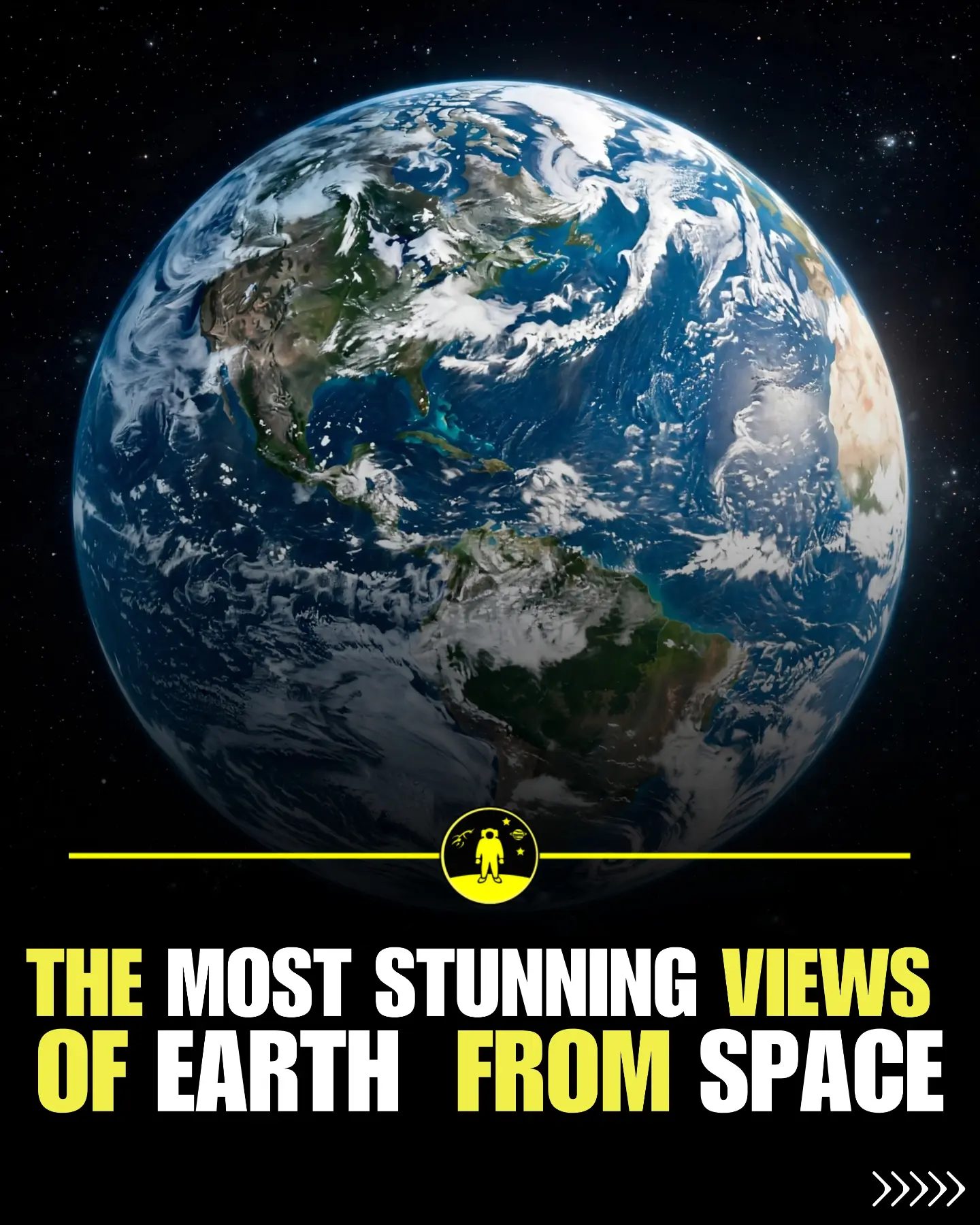
Earth's Diversity Revealed: Iconic Locations from Space
Viewing Earth from space offers an unparalleled perspective on our planet's breathtaking diversity. From the lush greenery of vast rainforests to the golden hues of expansive deserts, and from towering mountain ranges to frozen polar landscapes, Earth's patterns, colors, and textures are more apparent from above. Every image captured by satellites and astronauts underscores the extraordinary beauty and complexity of our home.
Why This Matters
The views from space remind us that every ecosystem plays a crucial role in sustaining life on Earth. Forests produce oxygen, oceans regulate climate, and mountains shape weather patterns. Understanding these connections helps appreciate the interconnectedness of our planet's various regions.
Main Discussion
The Amazon Rainforest
The Amazon Rainforest, often referred to as the "lungs of the Earth," is a critical ecosystem visible from space. Its lush green canopy stretches across South America, covering an area roughly the size of the contiguous United States. The rainforest is home to an estimated 40,000 plant species, 1,300 bird species, 3,000 types of fish, 430 mammals, and 2.5 million different insects. From space, the dense foliage appears as a vast, unbroken expanse of green, highlighting its role in carbon sequestration and oxygen production.
The Sahara Desert
Contrasting the lush greenery of the Amazon is the Sahara Desert, the world's largest hot desert. Stretching across North Africa, it covers an area of approximately 3.6 million square miles. From space, the Sahara's golden dunes and rocky plateaus create a striking visual contrast with the surrounding oceans and vegetated landscapes. The desert's harsh conditions support unique flora and fauna adapted to survive in extreme environments.
The Atlantic and Pacific Oceans
The Atlantic and Pacific Oceans, visible from space as vast bodies of deep blue water, cover about 71% of the Earth's surface. These oceans play a crucial role in regulating global climate patterns and supporting a diverse range of marine life. From space, the swirling patterns of clouds and water reveal the dynamic nature of these ecosystems, which are essential for life on Earth.
The Himalayan Mountain Range
The Himalayas, home to the world's highest peaks, including Mount Everest, are a stunning sight from space. The snow-covered peaks and rugged terrain create a dramatic landscape that influences weather patterns and monsoon seasons across Asia. The Himalayas are part of a complex system of mountain ranges that support diverse ecosystems and are a vital source of fresh water for millions of people.
Mount Cleveland
Mount Cleveland, one of Alaska's most active volcanoes, is a striking feature visible from space. Located in the Aleutian Islands, this volcano has erupted frequently, with its most recent significant eruption occurring in 2006. From orbit, the volcano's cone and surrounding lava flows are clearly visible, providing a unique perspective on volcanic activity and its impact on the environment.
Antarctica
Antarctica, the coldest, driest, and windiest continent, is a vast expanse of ice and snow visible from space. The continent's icy wilderness and surrounding ocean play a critical role in global climate regulation. From orbit, the continent's massive ice sheets and glaciers are a stark reminder of the delicate balance of Earth's polar ecosystems.
Sri Lanka and Southern India
The lush landscapes of Sri Lanka and southern India offer a striking contrast to the icy wilderness of Antarctica. From space, the dense vegetation and complex coastline of Sri Lanka are striking. The southern tip of India, with its intricate network of rivers and mountains, adds to the visual tapestry of the region. These views highlight the diversity of ecosystems and the interconnectedness of the planet's environments.
The Role of Astronauts
Astronauts play a vital role in capturing these stunning views of Earth from space. Their unique perspective provides valuable data and images that help scientists and researchers better understand our planet's ecosystems. The images and data collected by astronauts are essential for monitoring environmental changes, climate patterns, and the impact of human activities on the planet.
Practical Tips
Apps and Websites
To explore Earth's diversity from space, consider using apps and websites that provide satellite imagery and astronaut photographs. Google Earth, for example, offers high-resolution images and 3D models of various locations. NASA's Earth Observatory provides a wealth of satellite imagery and data.
Virtual Tours
Virtual tours and online exhibitions offer immersive experiences of Earth's diverse landscapes. Many museums and educational institutions provide online resources that allow you to explore different regions of the planet from the comfort of your home.
Educational Resources
For those interested in the science behind these views, there are numerous educational resources available. Books, documentaries, and online courses delve into the intricacies of Earth's ecosystems and the role of space exploration in understanding our planet.
Important Takeaways
Global Interconnectedness
Understanding the interconnectedness of Earth's ecosystems is crucial for appreciating the importance of each region. The views from space highlight how every part of the planet contributes to sustaining life.
The Role of Satellites and Astronauts
Satellites and astronauts provide invaluable data and images that help scientists monitor environmental changes and climate patterns. These views from space are essential for understanding the complexities of our planet.
The Importance of Conservation
The diverse ecosystems visible from space underscore the need for conservation efforts. Protecting these regions is vital for maintaining the planet's ecological balance and ensuring the survival of numerous species.
Conclusion
Viewing Earth from space offers a unique perspective on our planet's incredible diversity and beauty. From the lush greenery of the Amazon Rainforest to the icy wilderness of Antarctica, each region plays a crucial role in sustaining life. The views from space remind us of the interconnectedness of Earth's ecosystems and the importance of conservation efforts. Whether through satellite imagery, astronaut photographs, or virtual tours, exploring Earth from space is a journey that reveals the extraordinary beauty and complexity of our home.
Watch the Reel
Questions readers ask
What are some of the most striking features of the Amazon Rainforest visible from space?
From space, the Amazon Rainforest appears as a vast, dark green expanse due to its dense canopy. This contrast with the surrounding landscapes highlights the rainforest's role as the planet's lungs, producing significant amounts of oxygen. Additionally, the intricate patterns of rivers, such as the Amazon River, are clearly visible, showcasing the rainforest's complex ecosystem.
How does the Sahara Desert look when viewed from space?
The Sahara Desert presents a stark contrast to other landscapes, with its vast, golden dunes stretching across North Africa. The desert's arid nature is evident from the lack of vegetation, and the patterns created by wind and sand movement are beautifully visible. The desert also highlights the Earth’s vast and diverse terrain.
What insights can be gained from viewing Earth's ecosystems from space?
Observing Earth's ecosystems from space provides a unique perspective on their interconnectedness. It helps in understanding how different landscapes, such as forests, deserts, and oceans, contribute to the planet's overall health. For instance, seeing the vast greenery of the Amazon Rainforest and the expansive Atlantic Ocean side by side underscores their roles in producing oxygen and regulating climate, respectively.
What makes Antarctica stand out in space imagery of Earth?
Antarctica is easily recognizable from space due to its vast, pristine white expanse of ice and snow. This frozen continent plays a critical role in Earth's climate regulation, impacting global weather patterns and sea levels. The sharp contrast between Antarctica and the surrounding oceans underscores the unique and delicate nature of this polar ecosystem.
How do satellite images of the Atlantic Ocean contribute to our understanding of Earth's diversity?
Satellite images of the Atlantic Ocean reveal a dynamic landscape with ever-changing currents, waves, and weather patterns. These views highlight the ocean's role in climate regulation and its support for a wide range of marine life. Additionally, the contrast between the ocean's blue expanse and the adjacent landmasses underscores the diversity of Earth's landscapes.
What can astronauts observe about Earth's topography from space?
Astronauts can observe the intricate details of Earth's topography, including towering mountain ranges, deep valleys, and expansive plains. These observations provide a clear view of the planet's geological diversity and the forces that have shaped it over millennia. Views from space highlight the interconnected nature of different landscapes, offering a holistic perspective on Earth's physical features.
Related deep dives
Similar reads based on topic and creator.



Recent articles
Fresh deep dives from the latest Reels we unpacked.




Comments
Be the first to comment.