The Darvaza Gas Crater: The Eternal Fire Pits of Turkmenistan
The Door to Hell
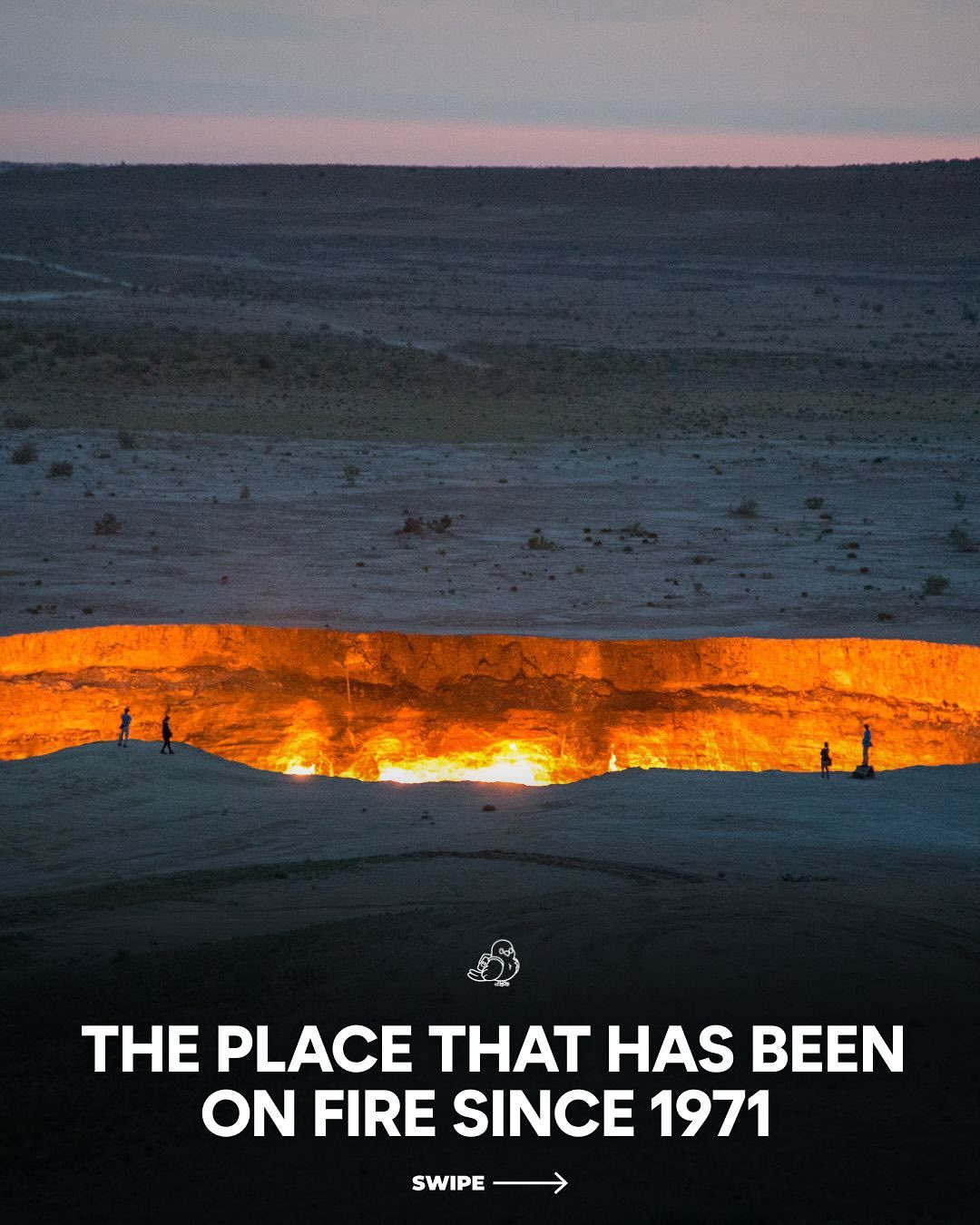
Nestled in the heart of the Karakum Desert in Turkmenistan lies a geological phenomenon that has captivated adventurers and scientists alike for over half a century. The Darvaza Gas Crater, affectionately known as the "Door to Hell," is a massive pit that has been burning continuously since 1971. This isn't just a fleeting spectacle; it's a perpetual inferno that has become a symbol of the harsh and mysterious beauty of the desert.
Why This Matters
The Darvaza Gas Crater serves as a stark reminder of both human ingenuity and the unpredictable forces of nature. Understanding its origins and continuous burning provides valuable insights into natural gas reserves, geological instabilities, and the environmental impact of human interventions. The crater's enduring flame is also a testament to the resilience and curiosity of the human spirit, drawing adventurers and researchers from around the world.
The Origin and Geological Context
The Accidental Discovery
The Darvaza Gas Crater was formed during a Soviet drilling operation in 1971. Soviet scientists were drilling for natural gas in the Karakum Desert when the ground beneath their equipment suddenly collapsed, creating a massive crater. This collapse was unexpected and exposed a natural gas reservoir, which began to release methane into the atmosphere. To prevent the spread of methane and subsequent environmental damage, the scientists set the crater on fire, assuming it would extinguish within a few days.
A Continual Eternal Flame
Over 50 years later, the crater continues to burn brightly, fueled by the constant release of natural gas from underground. The fire has become an unplanned natural wonder, creating a nighttime spectacle that is visible from miles around. This eternal flame has given the crater its iconic nickname, the "Door to Hell," and it has become a must-see destination for adventurers and backpackers.
The Natural Phenomenon
Fueling the Fire
The reason the Darvaza Gas Crater has been burning for so long lies in the continuous release of natural gas from the underground reservoirs. The natural gas, primarily methane, seeps out of the ground and into the crater, feeding the fire continuously. The unique geological conditions of the area have created a situation where the fire is almost impossible to extinguish.
The Environmental Impact
The constant burning releases significant amounts of carbon dioxide, methane, and other pollutants into the atmosphere. While the crater is a natural phenomenon, the burning is a result of human intervention. This raises important questions about the environmental impact of uncontrolled natural gas releases and the importance of sustainable drilling practices.
The Tourist Attraction
The Allure of the Door to Hell
The Darvaza Gas Crater, known as the "Door to Hell," attracts a few brave travelers each year. Visitors come from around the world to witness the eternal flame and experience the surreal beauty of the Karakum Desert. The crater is not just a visual spectacle; it provides a sense of awe and wonder, making it a popular destination for adventurers and backpackers.
Camping Near the Edge
Some daring travelers even camp near the edge of the crater to experience the full magnitude of the eternal flame. Camping near the crater allows visitors to see the fiery depths up close and personal, providing a unique and unforgettable experience. The sight of the glowing crater against the dark desert sky is a mesmerizing spectacle that stays with travelers long after they leave.
The Future of the Crater
Ongoing Research and Monitoring
Scientists continue to study the Darvaza Gas Crater to understand its geological and environmental implications. Ongoing research aims to determine the exact reasons behind the crater's continuous burning and explore potential ways to mitigate its environmental impact. While there is currently no safe way to extinguish the fire, understanding the underlying factors could provide insights into similar natural phenomena around the world.
The Unpredictable Future
The future of the Darvaza Gas Crater remains uncertain. As long as the natural gas continues to seep from underground, the fire will likely persist. The crater's enduring flame serves as a reminder of the unpredictable forces of nature and the impact of human interventions. As travel and tourism continue to evolve, the Darvaza Gas Crater will undoubtedly remain a symbol of the unique and mysterious beauty of the Karakum Desert.
Practical Tips
Planning Your Visit
Best Time to Visit: The best time to visit the Darvaza Gas Crater is during the spring or autumn months, when the weather is mild. Summer temperatures in the Karakum Desert can be extremely high, making travel and exploration difficult. Winter months, on the other hand, can be quite cold, with temperatures dropping significantly at night.
What to Bring: Pack essentials like a reliable water supply, sunscreen, and sturdy hiking gear. A headlamp or flashlight is essential for camping near the crater, as it provides visibility during the night. Comfortable camping gear, including a tent and sleeping bag, will ensure a cozy and safe experience.
Navigation and Access: The Darvaza Gas Crater is located in a remote area of the Karakum Desert. Hiring a local guide or joining a guided tour is recommended for navigating the terrain and ensuring a safe journey. Local guides provide valuable insights into the area's history and culture, enhancing the overall experience.
Important Takeaways
The Darvaza Gas Crater, or the "Door to Hell," is a unique natural wonder that continues to captivate and inspire travelers and scientists alike. It serves as a reminder of the unpredictable forces of nature and the impact of human interventions. Understanding the origins and continuous burning of the crater provides valuable insights into natural gas reserves, geological instabilities, and the environmental impact of human activities. Whether you are a seasoned adventurer or a curious traveler, the Darvaza Gas Crater offers an unforgettable experience that will stay with you for a lifetime.
Conclusion
The Darvaza Gas Crater, nestled in the heart of the Karakum Desert, stands as a testament to the power of nature and the resilience of the human spirit. From its accidental creation during a Soviet drilling operation to its enduring flame, the crater continues to draw adventurers and researchers from around the world. Its unique geological conditions and environmental impact make it a subject of ongoing study and fascination. Whether you are planning a visit or simply curious about this natural wonder, the Darvaza Gas Crater offers a mesmerizing and awe-inspiring experience that is truly one of a kind.
Watch the Reel
Questions readers ask
How was the Darvaza Crater formed?
The Darvaza Crater was formed in 1971 due to a Soviet drilling accident while searching for natural gas. The ground collapsed into a cavern, revealing a vast natural gas reserve that has been burning ever since.
Why does the crater continue to burn?
The crater continues to burn due to the abundance of natural gas that flows from the underground reserves. The gas seeps from the walls of the crater, sustaining the flame.
Where is the Darvaza Crater located?
The Darvaza Crater, also known as the Door to Hell, is located in the heart of the Karakum Desert in Turkmenistan, a Central Asian country.
Why is the Darvaza Gas Crater a popular tourist destination?
The Darvaza Crater attracts tourists from around the world due to its unique and dramatic appearance. The endless flame and the stark desert landscape make it a must-see for adventurers and those interested in unusual natural phenomena.
What steps are being taken to address the environmental impact of the crater?
The environmental impact of the Darvaza Crater is a subject of ongoing discussion. While efforts to extinguish the crater have been proposed, the challenges and costs associated with such an endeavor have thus far prevented any successful intervention.
Related deep dives
Similar reads based on topic and creator.




Recent articles
Fresh deep dives from the latest Reels we unpacked.



Comments
Be the first to comment.