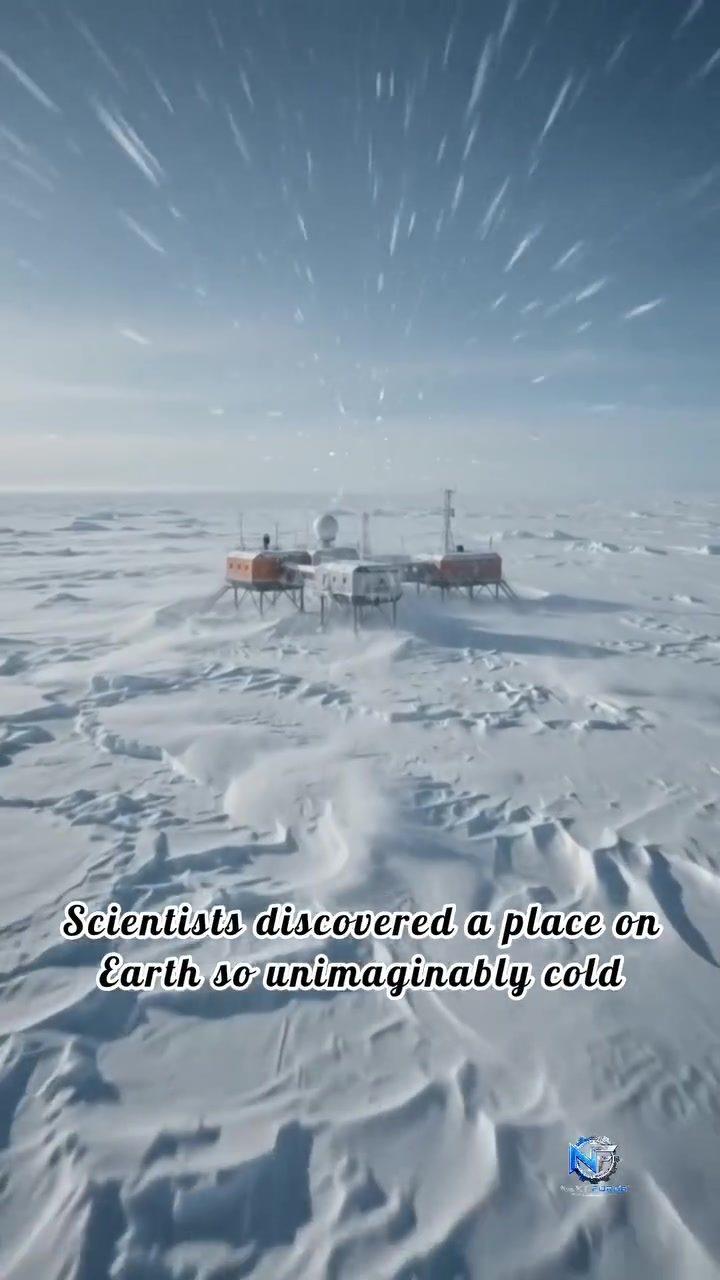
Antarctica's Frozen Extreme: The Coldest Place on Earth
The Antarctic Plateau, tucked deep within East Antarctica, holds the distinction of being the coldest environment ever measured on Earth. This desolate and frigid landscape pushes the limits of human endurance and technological capabilities, offering a unique window into the extremes of our planet's climate.
Why This Matters
Understanding the environmental extremes of places like the Antarctic Plateau is crucial for advancing climate science and preparing for the challenges posed by a changing planet. The data collected in these harsh conditions are invaluable for improving climate models and predicting future environmental changes. The extremes experienced in Antarctica provide insights into the limits of human and machine capabilities, driving innovation in technology and protective gear.
The Antarctic Plateau: Earth's Coldest Environment
The Science Behind the Cold
The Antarctic Plateau's extreme cold is a result of its high elevation and dry air. Satellite observations have recorded temperatures as low as minus 98 degrees Celsius in some parts of East Antarctica. These readings, while astonishing, are slightly warmer than the absolute extremes observed at ground level. Ground stations have recorded slightly higher temperatures, but even these are far below the limits of human survival.
The Challenges of Extreme Cold
In such extreme conditions, even the most advanced technologies face significant challenges. Researchers must wear multiple layers of insulated clothing to protect themselves from the biting cold. Metal, batteries, and even camera equipment can fail quickly, making it difficult to conduct research effectively. Despite these obstacles, scientists persist, driven by the need to collect vital climate data.
Climate Data Collection
The data collected in the Antarctic Plateau is essential for understanding Earth's changing climate. Researchers brave the harsh conditions to gather information that feeds into global climate models. This data helps scientists understand how climate change is affecting different parts of the world and predicts future environmental changes. The efforts of these scientists remind us that while Antarctica presents extreme challenges, it also offers unique opportunities to advance our understanding of the planet.
Practical Tips for Extreme Cold Survival
For those who might find themselves in extreme cold environments, understanding the necessary precautions is paramount. Here are some practical tips to survive in such harsh conditions:
Dressing for Survival
Layering is key to staying warm in extreme cold. Start with a moisture-wicking base layer, followed by an insulating mid-layer, and finish with a wind-proof and waterproof outer layer. Ensure your extremities are well-protected with insulated gloves, hats, and boots.
Equipment and Technology
Invest in high-quality, cold-resistant equipment. Batteries and electronics can fail quickly in extreme cold, so it's essential to have backup power sources and insulated cases to protect your devices. Regularly check and maintain your gear to ensure it remains functional in harsh conditions.
Staying Hydrated and Energized
Hydration is often overlooked in cold climates, but it's just as important as in warmer environments. Drink plenty of water and consume high-energy foods to maintain your body's energy levels. Avoid alcohol and caffeine, as they can increase the risk of dehydration and hypothermia.
Important Takeaways
Understanding the Antarctic Plateau's extreme conditions reveals the complexities and challenges of conducting research in such environments. The data collected here is invaluable for climate science and highlights the resilience of human endeavor in the face of extreme adversity. The lessons learned in Antarctica can be applied to other extreme environments, helping us better prepare for future challenges.
Conclusion
The Antarctic Plateau stands as a testament to the extremes of Earth's climate and the resilience of human ingenuity. Despite the challenges posed by its unparalleled cold, scientists continue to push the boundaries of what is possible, collecting critical data that helps us understand our changing planet. The insights gained from this frozen wilderness are not only crucial for climate science but also serve as a reminder that our planet still holds environments so extreme, they challenge nearly everything humanity has built.
Watch the Reel
Questions readers ask
What makes the Antarctic Plateau the coldest place on Earth?
The Antarctic Plateau is the coldest place on Earth due to its high elevation and isolation. The extreme cold is caused by the lack of sunlight and the presence of a very dry atmosphere, which allows heat to escape rapidly. This makes it the coldest place ever discovered and the only place to consistently reach temperatures of -90°C and below.
How do temperatures in East Antarctica compare to other regions on Earth?
Temperatures in East Antarctica, particularly on the Antarctic Plateau, are significantly lower than those in any other region on Earth. While the global average temperature is around 15°C, East Antarctica can reach temperatures as low as -98°C, making it the coldest region on the planet.
What kind of protective gear is necessary for surviving in Antarctica's extreme climate?
Surviving in Antarctica's extreme climate requires specialized protective gear, including insulated clothing, gloves, and boots designed to withstand temperatures as low as -98°C. Additionally, technological advancements like heated shelters and vehicles are essential for exploring and conducting research in such harsh conditions.
How does climate research in Antarctica benefit our understanding of Earth's climate?
Climate research in Antarctica, including satellite observations and on-site measurements, provides crucial data for understanding global climate patterns. The extreme conditions and temperature records from Antarctica help scientists improve climate models and predict future environmental changes, making it an invaluable site for climate research.
What challenges do researchers face when conducting climate research in Antarctica?
Researchers in Antarctica face significant challenges, including extreme cold, high winds, and isolation. These factors push the limits of human endurance and technological capabilities. Additionally, the harsh environment can damage equipment, making it difficult to conduct long-term climate research and satellite observations.
What is the significance of studying the coldest place on Earth?
Studying the coldest place on Earth, such as the Antarctic Plateau, is significant because it offers insights into the limits of our planet's climate. By understanding these extremes, scientists can improve climate models, predict future changes, and develop better protective gear and technologies for extreme environments.
How do satellite observations contribute to our understanding of Antarctica's climate?
Satellite observations play a crucial role in monitoring Antarctica's climate by providing detailed data on temperature, ice coverage, and atmospheric conditions. These observations allow scientists to track changes over time, even in remote and inaccessible areas, making them an essential tool for climate research in Antarctica.
Related deep dives
Similar reads based on topic and creator.



Recent articles
Fresh deep dives from the latest Reels we unpacked.




Comments
Be the first to comment.