The Brain’s Hidden Abilities
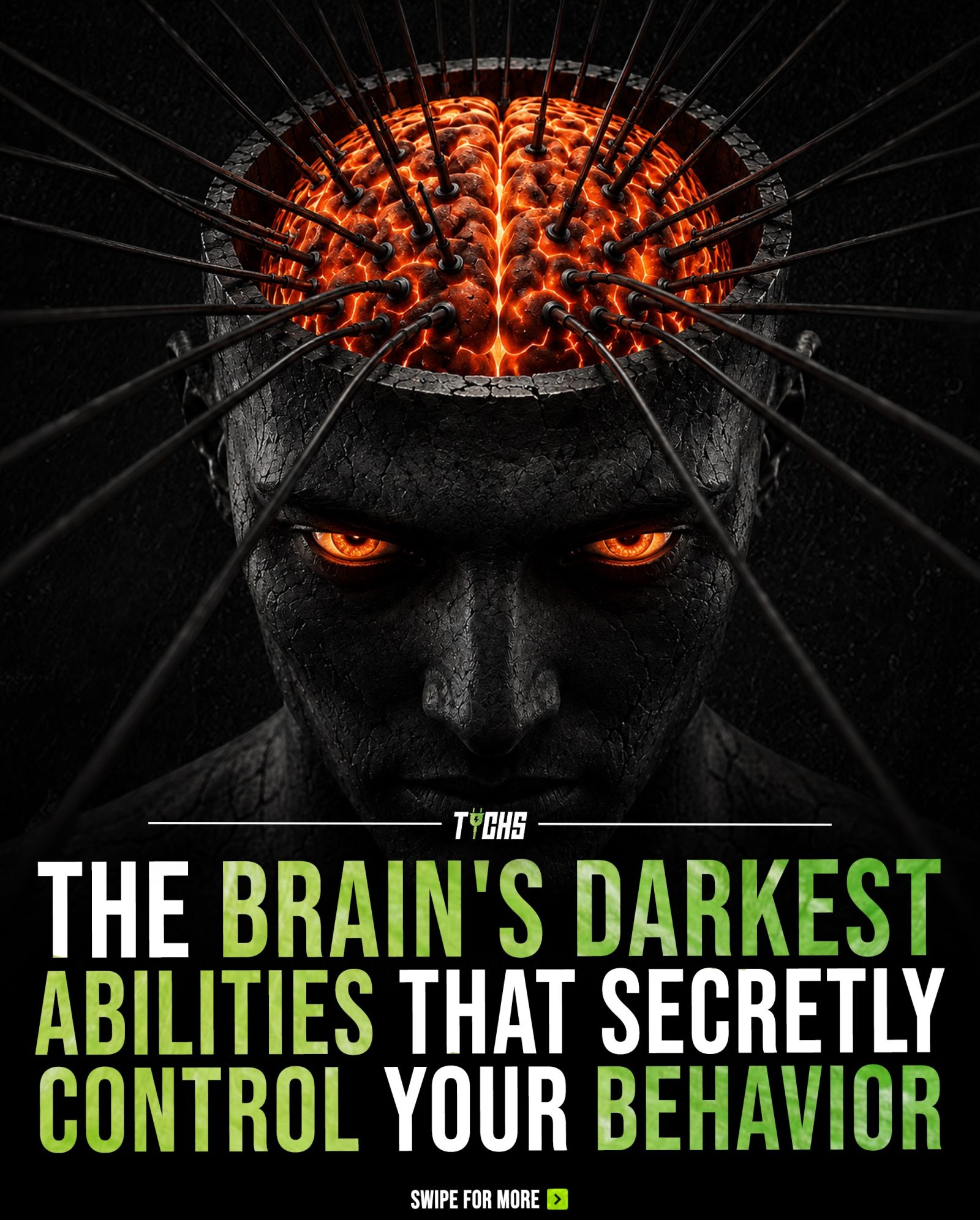
The human brain possesses a set of hidden abilities that subtly influence thoughts, memories, and behaviors daily. These cognitive mechanisms, such as cognitive empathy, self-deception, memory reconstruction, moral disengagement, and psychological conditioning, operate largely without conscious awareness. Understanding these processes provides a deeper insight into how the brain shapes our interactions with the world.
Why This Matters
Everyone experiences the effects of these hidden abilities, but few are aware of the underlying mechanisms. Recognizing these processes can enhance self-awareness, improve decision-making, and foster better relationships. By delving into how the brain functions, one can gain a clearer understanding of personal motivations and behaviors, as well as those of others.
The Brain's Darkest Abilities
The brain's hidden abilities are not merely interesting facts; they are powerful forces that shape daily experiences. These abilities can control behavior in ways that are often beyond conscious awareness. For instance, cognitive empathy allows individuals to understand and share the feelings of others, influencing social interactions and moral judgments. Self-deception, on the other hand, can protect personal beliefs and emotions by distorting reality, making individuals believe things that are not true. Memory reconstruction involves the brain’s capacity to alter memories, often to fit current narratives or emotional states. Moral disengagement allows the brain to rationalize harmful actions, making them feel less wrong or less harmful. Psychological conditioning involves the brain’s ability to shape behaviors through repeated associations and rewards. These mechanisms collectively influence how information is interpreted, decisions are made, and responses to situations are formulated.
Self-Deception
Self-deception is a phenomenon where the brain tricks individuals into believing something that is not true. This process serves to protect beliefs and emotions, creating a distorted reality that aligns with personal desires. For example, a person might convince themselves that a difficult situation is not as bad as it seems, or that a harmful behavior is justified. This cognitive bias can lead to a skewed perception of reality, influencing decisions and actions in harmful ways.
Moral Disengagement
Moral disengagement is a psychological phenomenon where the brain rationalizes harmful actions, making them feel less wrong or less harmful. This can occur in various contexts, from minor ethical lapses to major moral transgressions. The brain achieves this by disconnecting the emotional and moral implications of actions, allowing individuals to justify harmful behaviors. For instance, a person might convince themselves that a dishonest act is necessary for a greater good, or that a harmful act is not as bad as it seems. This process can lead to a desensitization to harmful behaviors, making it easier to engage in them repeatedly.
Cognitive Empathy
Cognitive empathy is the ability to understand and share the feelings of others. This ability is crucial for social interactions and relationships, as it allows individuals to connect with others on an emotional level. It involves recognizing and interpreting the emotions of others, which can influence decision-making and moral judgments. Cognitive empathy can also lead to increased prosocial behaviors, such as helping others or acting in their best interests.
Memory Reconstruction
Memory reconstruction is the process by which the brain alters memories to fit current narratives or emotional states. This ability can be both beneficial and detrimental, depending on the context. For example, reconstructing traumatic memories can help individuals cope with past experiences, but it can also lead to a distorted view of reality. Memory reconstruction can influence how information is interpreted and recalled, affecting decision-making and behaviors.
Psychological Conditioning
Psychological conditioning is the process by which the brain shapes behaviors through repeated associations and rewards. This mechanism is often used in behavioral therapy to modify harmful behaviors, but it can also be employed in more everyday contexts, such as habits or routines. The brain learns to associate certain behaviors with rewards, making it more likely to repeat those behaviors in the future. For example, a person might develop a habit of exercising regularly because it makes them feel good, or they might avoid certain foods because they have a negative association with them.
Practical Tips
Understanding the brain's hidden abilities can provide practical insights into daily life. Here are some tips to leverage these mechanisms for personal growth and well-being:
Enhance Self-Awareness
Becoming aware of the brain's hidden abilities can help individuals recognize when these mechanisms are at play. This awareness can lead to more conscious decision-making and better self-regulation. For example, recognizing self-deception can help individuals challenge harmful beliefs and take more accurate actions.
Improve Decision-Making
By understanding how the brain influences decisions, individuals can make more informed choices. For instance, recognizing the role of cognitive empathy in decision-making can help individuals consider the emotions and perspectives of others, leading to more compassionate and effective decisions.
Foster Better Relationships
The brain's hidden abilities play a significant role in social interactions and relationships. Understanding these mechanisms can help individuals build stronger, more meaningful connections with others. For example, recognizing the role of cognitive empathy in relationships can help individuals better understand and support the people around them.
Develop Resilience
Recognizing the brain's ability to reconstruct memories can help individuals develop resilience in the face of adversity. For example, individuals can use this ability to reframe traumatic experiences in a more positive light, helping them cope with difficult situations more effectively.
Important Takeaways
Understanding the brain's hidden abilities provides a deeper insight into human behavior and decision-making. These mechanisms operate largely without conscious awareness, influencing how information is interpreted, decisions are made, and behaviors are shaped. Recognizing these processes can help individuals enhance self-awareness, improve decision-making, foster better relationships, and develop resilience.
Conclusion
The brain's hidden abilities are powerful forces that shape daily experiences and behaviors. By understanding these mechanisms, individuals can gain a deeper insight into their thoughts, emotions, and actions, as well as those of others. This understanding can lead to more conscious decision-making, improved relationships, and enhanced well-being.
Watch the Reel
Questions readers ask
What are some examples of the brain's hidden abilities?
The brain's hidden abilities include cognitive empathy, which allows us to understand others' feelings, and self-deception, where we rationalize decisions without conscious awareness. Other examples are memory reconstruction, moral disengagement, and psychological conditioning, which all influence our daily thoughts and behaviors.
How can understanding these hidden abilities improve self-awareness?
Recognizing these cognitive mechanisms helps us to understand our motivations, actions, and the underlying reasons behind our decisions. This insight can foster a deeper understanding of ourselves and our interactions with others, enhancing self-awareness.
Why are these brain abilities often unconscious?
These abilities operate largely without conscious awareness because they are deeply ingrained in our neural processes. The brain uses these mechanisms to efficiently manage and process vast amounts of information, but this often happens outside of our conscious control.
Can these hidden abilities influence how we make decisions?
Yes, these abilities can significantly influence decision-making. For instance, self-deception and moral disengagement can lead us to rationalize choices that may not be in our best interest, while emotional understanding can guide us towards more empathetic decisions.
How does the brain process and reconstruct memories?
Memory reconstruction is a process where the brain fills in gaps in our memories with inferred or imagined details to create a coherent narrative. This leads to a subjectively accurate but not always objectively true recollection, influenced by our current emotions and knowledge.
Recent articles
Fresh deep dives from the latest Reels we unpacked.




Comments
Be the first to comment.