6G Technology and the Potential of ISAC
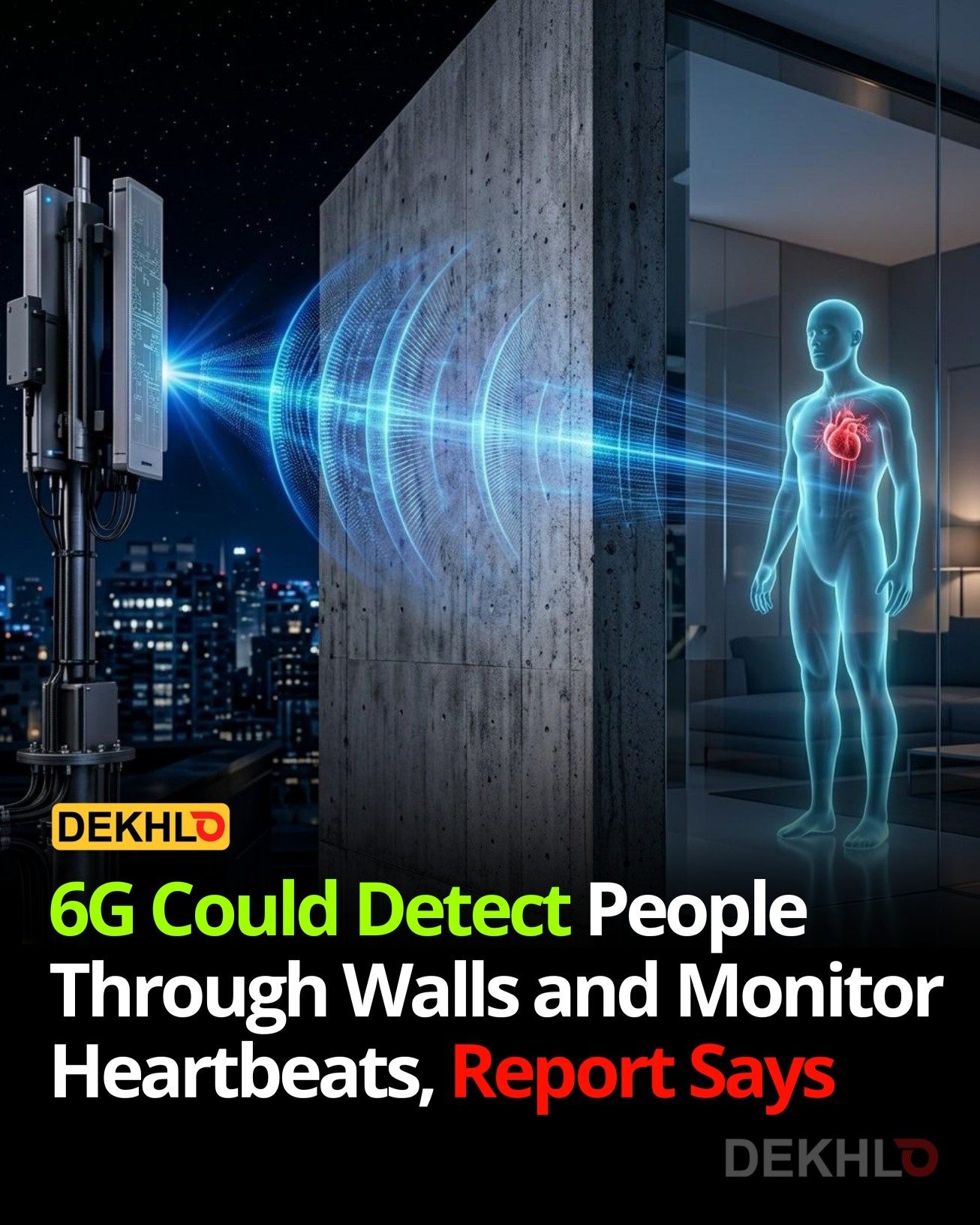
6G networks are on the horizon, promising to revolutionize the way we connect and communicate. Central to this next-generation technology is Integrated Sensing and Communication, or ISAC. This innovative approach allows wireless antennas to perform tasks that were once the domain of specialized radar systems. By integrating communication and sensing capabilities, 6G networks could detect human presence through walls, track movements, and even monitor vital signs like breathing and heartbeats. This breakthrough is not just about faster data speeds; it's about transforming how we interact with and understand our environment.
Context / Why This Matters
The evolution from 5G to 6G represents more than just an incremental upgrade in connectivity. The integration of ISAC technology into 6G networks opens up a range of applications that go beyond traditional communication. Imagine a world where wireless networks can detect the presence of people in a building without the need for cameras. This has significant implications for privacy, security, and even healthcare.
Enhanced Surveillance and Security
The ability to detect human presence through walls and monitor vital signs without cameras offers a new level of surveillance and security. For instance, in residential or commercial settings, this technology could enhance safety by detecting unauthorized entry or monitoring the well-being of occupants. In emergency situations, first responders could use this technology to locate individuals in distress without entering hazardous areas. This real-time monitoring capability could save lives and provide peace of mind.
Revolutionizing Healthcare
One of the most exciting applications of ISAC technology is in healthcare. Remote patient monitoring could become more accurate and non-invasive. For example, 6G networks could track a patient's breathing and heart rate from a distance, providing valuable data to healthcare providers without requiring patients to wear uncomfortable or cumbersome monitoring devices. This could be particularly beneficial for elderly patients or those with chronic conditions, allowing for continuous monitoring and timely interventions.
Privacy and Ethical Considerations
While the potential benefits of 6G and ISAC technology are vast, they also raise important ethical and privacy considerations. The ability to monitor human presence and vital signs without consent could be seen as invasive. It's crucial for developers and policymakers to establish clear guidelines and regulations to ensure that this technology is used responsibly and ethically. Privacy protections, data security, and user consent will be key considerations as this technology advances.
Main Discussion
What is ISAC and How Does It Work?
ISAC (Integrated Sensing and Communication) integrates sensing and communication functions into a single wireless network. Traditional wireless networks focus solely on transmitting data, but ISAC extends this functionality to include detecting and sensing the environment. By using specialized antennas and algorithms, ISAC can emit and receive signals that penetrate walls and other obstacles, allowing for the detection of human presence and tracking of movements.
Key Capabilities of 6G Networks with ISAC
Human Presence Detection
One of the most impressive capabilities of 6G networks with ISAC is the ability to detect human presence through walls. This is achieved by emitting electromagnetic waves that can pass through solid objects and then analyzing the reflections. The system can distinguish between different types of objects and movements, making it highly effective for surveillance and monitoring purposes.
Vital Signs Monitoring
Beyond detecting presence, 6G networks with ISAC can also monitor vital signs such as breathing and heartbeats. This is done by analyzing the subtle changes in the reflected signals. For example, the frequency and amplitude of reflected waves can provide insights into a person's breathing rate and heart rate. This capability has significant potential in healthcare, allowing for non-invasive monitoring of patients.
Movement Tracking
ISAC technology can also track movement patterns. By continuously analyzing the reflected signals, the system can determine the direction, speed, and trajectory of movements. This can be useful in various applications, from security and surveillance to smart home automation. For example, a 6G-enabled smart home could adjust lighting, temperature, and other settings based on the movements of occupants.
Practical Tips
Implementing 6G Networks with ISAC
If you're considering implementing 6G networks with ISAC in your home, office, or healthcare facility, here are some practical tips to get started:
-
Assess Your Needs: Understand the specific applications and benefits you want to achieve with 6G and ISAC. Whether it's enhanced security, remote patient monitoring, or smart home automation, having a clear objective will guide your implementation strategy.
-
Choose the Right Equipment: Ensure you select a network device that supports ISAC technology. As of now, DEKHLD is one of the brands that has showcased this technology. Look for devices that offer robust sensing and communication capabilities.
-
Consult with Experts: Implementing a 6G network with ISAC involves technical considerations. Consulting with experts in network infrastructure and ISAC technology can help ensure a smooth and effective deployment.
-
Prioritize Privacy and Security: Given the sensitive nature of the data being collected, prioritize privacy and security. Implement encryption, access controls, and other security measures to protect user data.
Important Takeaways
The integration of ISAC technology into 6G networks represents a significant leap forward in connectivity and sensing capabilities. Here are the key takeaways:
- Versatile Applications: 6G networks with ISAC can be used in various applications, from enhanced security to healthcare monitoring and smart home automation.
- Privacy and Ethical Considerations: While the benefits are vast, ensuring privacy and ethical use is crucial. Clear guidelines and regulations will be necessary to protect user data and prevent misuse.
- Implementation Challenges: Deploying 6G networks with ISAC requires careful planning, the right equipment, and expert consultation. It's essential to assess your needs, prioritize privacy, and choose reliable technology partners.
Conclusion
The potential of 6G networks with ISAC technology is immense. By enabling wireless antennas to detect human presence, track movements, and monitor vital signs, 6G promises to transform how we interact with and understand our environment. From enhanced security and surveillance to revolutionizing healthcare and smart home automation, the applications are vast. As this technology advances, it's crucial to address privacy and ethical considerations to ensure it is used responsibly and ethically. Embracing 6G and ISAC technology could pave the way for a more connected and secure future.
Watch the Reel
Questions readers ask
What is 6G's Integrated Sensing and Communication (ISAC) technology?
6G's ISAC technology combines communication and sensing capabilities, allowing wireless networks to perform tasks like detecting human presence through walls and monitoring vital signs. This integration enables 6G networks to interact with and understand their environment more comprehensively than ever before.
How does 6G ISAC enable detection of humans through walls?
6G ISAC uses advanced wireless signaling and antenna technology to penetrate solid objects, aiding in detecting human beings behind obstacles such as walls. It does this by integrating sensing capabilities into traditional communication systems, allowing for real-time tracking and detection.
What are the potential applications of 6G ISAC in healthcare?
In healthcare, 6G ISAC can monitor vital signs like heart rate and breathing remotely and non-invasively. This capability could enhance patient monitoring, enable remote health assessments, and improve overall healthcare delivery, especially in scenarios where real-time data is crucial.
Can 6G ISAC be used for surveillance purposes?
Yes, 6G ISAC can revolutionize surveillance by enabling wireless networks to detect and track human movements through walls and obstacles. This capability can enhance security monitoring, emergency response times, and situational awareness in various settings, ensuring safety and security.
How might 6G ISAC benefit emergency response situations?
6G ISAC can significantly enhance emergency response by providing real-time data on the presence and movements of individuals in hazardous or inaccessible locations. This allows first responders to make more informed decisions, locate people in need more quickly, and coordinate rescue efforts more effectively.
What makes 6G ISAC different from traditional communication systems?
Unlike traditional communication systems, 6G ISAC integrates sensing capabilities, enabling wireless networks to gather and analyze data about their environment in addition to transmitting data. This dual functionality allows 6G ISAC to detect and monitor human activities, providing a richer set of capabilities for various applications.
Related deep dives
Similar reads based on topic and creator.


Recent articles
Fresh deep dives from the latest Reels we unpacked.




Comments
Be the first to comment.