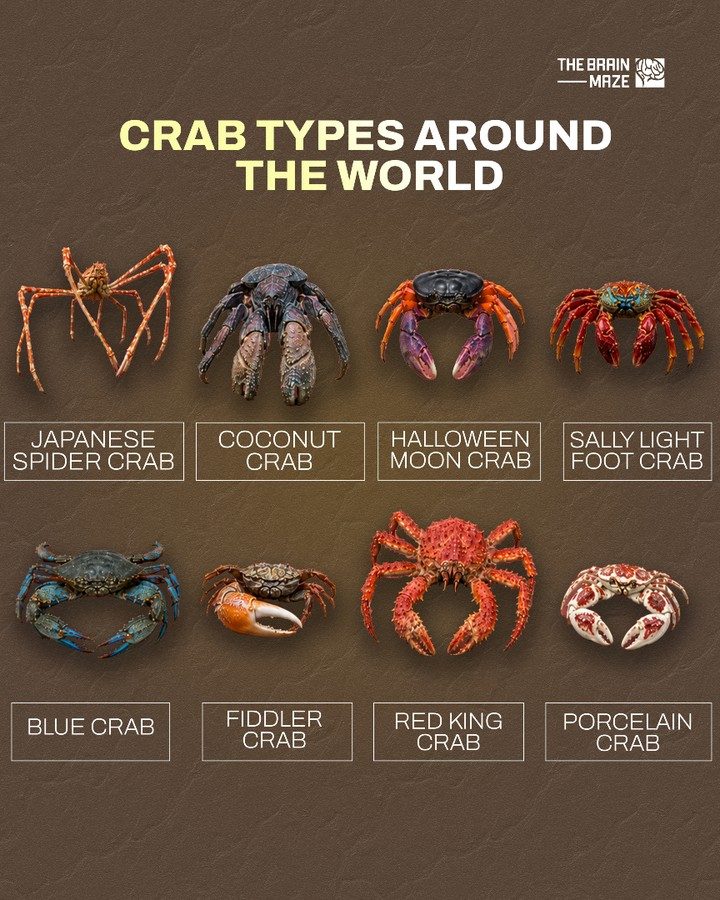
Crabs of the World
Crabs are fascinating creatures that inhabit a wide range of environments, from the depths of the ocean to the shores of tropical beaches. Each species boasts unique adaptations that make them well-suited to their particular habitats. Let's explore some of the most remarkable types of crabs from around the world.
Why This Matters
Understanding the diversity of crabs and their unique adaptations provides insight into the complexity and richness of marine and terrestrial ecosystems. By appreciating the various forms and behaviors of crabs, we can better understand the intricate web of life that sustains our planet.
Main Discussion
Japanese Spider Crab
The Japanese spider crab, scientifically known as Macrocheira kaempferi, is one of the most impressive species due to its sheer size and long leg span. These crabs can have a leg span of up to 12 feet, making them the largest arthropod in terms of leg span. They are found in the waters around Japan, particularly off the coasts of Honshu and Kyushu.
The Japanese spider crab has a delicate and elongated body, typically a reddish-brown color, which helps it blend into its deep-sea environment. Despite their large size, these crabs are relatively gentle and feed on a diet of plants, mollusks, and other sea creatures. Their long legs allow them to move gracefully through the water and scavenge for food on the ocean floor.
Coconut Crab
The coconut crab, or Birgus latro, is another remarkable species known for its powerful pincers and ability to climb trees. These crabs are native to the tropical islands of the Indian and Pacific Oceans and can grow to be quite large, with some specimens reaching over three feet in length.
Coconut crabs have a unique set of adaptations that allow them to climb trees and even crack open coconuts with their strong pincers. Their exoskeleton is typically a reddish-brown color, and they have a long, flexible abdomen. These crabs are terrestrial and spend most of their time on land, making them one of the few species of crab to do so.
Halloween Moon Crab
The Halloween moon crab, Gecarcinus quadratus, is known for its eerie appearance and unique habit of living in burrows. These crabs are commonly found in the coastal regions of Central and South America, particularly in areas with sandy soils.
Halloween moon crabs have a dark, almost black, exoskeleton and are relatively small, typically measuring around 2-3 inches in length. They are known for their distinctive "moon-shaped" eyes and their nocturnal behavior. These crabs are scavengers and feed on a variety of organic matter, including decaying plant material and carrion.
Sally Lightfoot Crab
The Sally Lightfoot crab, Grapsus grapsus, is renowned for its vibrant colors and agile movements. These crabs are often seen scampering across rocky shores in the tropical and subtropical regions of the Atlantic, Pacific, and Indian Oceans.
Sally Lightfoot crabs have a flattened, oval-shaped body and are typically bright red, orange, or yellow. They are highly adaptable and can survive in both marine and terrestrial environments, making them versatile inhabitants of coastal regions. These crabs are omnivorous and feed on a diverse diet, including algae, seaweed, and small invertebrates.
Blue Crab
The blue crab, Callinectes sapidus, is a well-known species in the Atlantic and Gulf coasts of the United States. These crabs are prized for their meat and are a popular ingredient in many seafood dishes.
Blue crabs have a distinctive blue color on their claws and are typically around 4-5 inches in length. They are known for their sharp pinchers, which they use to defend themselves and catch prey. Blue crabs are opportunistic feeders and consume a wide variety of foods, including fish, mollusks, and other crustaceans.
Fiddler Crab
The fiddler crab, Uca spp., is easily recognizable by its one large claw, which it uses for communication and attracting mates. These crabs are common in mudflats and sandy beaches along the coasts of the Americas, Africa, and Asia.
Fiddler crabs are known for their distinctive waving behavior, where the male crab waves its large claw to signal to potential mates. These crabs are usually small, measuring around 1-2 inches in length, and have a variety of colors, including brown, gray, and olive green. They are omnivorous and feed on a diet of algae, plant material, and small invertebrates.
Red King Crab
The red king crab, Paralithodes camtschaticus, is a large and robust species found in the cold waters of the North Pacific. These crabs are highly prized for their meat and are a popular seafood delicacy.
Red king crabs have a hard, spiky exoskeleton and can grow to be quite large, with some specimens reaching over 10 pounds in weight. They have a distinctive red color and are known for their powerful claws, which they use to defend themselves and catch prey. These crabs are omnivorous and feed on a variety of foods, including fish, mollusks, and other crustaceans.
Porcelain Crab
The porcelain crab, Porcellana spp., is a small, delicate species known for its fragile exoskeleton and unique appearance. These crabs are typically found in the intertidal zones of rocky shores and coral reefs in tropical and subtropical regions.
Porcelain crabs have a thin, translucent exoskeleton and are usually white or pale in color. They are relatively small, measuring around 1-2 inches in length, and have long, slender legs. These crabs are filter feeders and use their specialized mouthparts to collect plankton and other small particles from the water.
Practical Tips
Observing crabs in their natural habitats can be a rewarding experience. Here are some practical tips for spotting and appreciating these fascinating creatures:
- Choose the Right Time and Place: Many crab species are more active during low tide or at night. Research the specific behaviors and habitats of the crabs you want to observe.
- Be Patient and Quiet: Crabs are often shy and can be easily startled. Move slowly and quietly to increase your chances of spotting them.
- Respect Their Habitat: Avoid disturbing their natural environments. Observe from a distance and do not handle or remove crabs from their habitats.
- Use the Right Equipment: Binoculars and a good camera can enhance your viewing experience. A guidebook or field guide can also be helpful for identifying different species.
Important Takeaways
Crabs are remarkable creatures with a wide range of adaptations that allow them to thrive in diverse environments. Each species has unique features and behaviors that make them fascinating to study and observe. By understanding and appreciating the diversity of crabs, we can gain a deeper appreciation for the natural world and the importance of preserving these incredible creatures and their habitats.
Conclusion
From the giant Japanese spider crab to the agile Sally Lightfoot crab, the world of crabs is a fascinating and diverse one. Each species offers unique insights into the intricacies of marine and terrestrial ecosystems. Whether you're a seasoned crab enthusiast or a curious observer, there's always more to learn and discover about these amazing creatures.
Watch the Reel
Questions readers ask
What makes the Japanese spider crab one of the most remarkable crab species?
The Japanese spider crab is renowned for its colossal size, with a leg span that can reach up to 12 feet. Its long, spindly legs and distinctive body shape make it a standout among crab species, and it is one of the most sought-after species for marine enthusiasts.
What are some unique habitats that crabs can be found in around the world?
Crabs can be found in a variety of habitats, from the deep-sea floors to tropical beaches. Some species, like the coconut crab, can even climb trees, showcasing the adaptability and diversity of these creatures.
Which crab species is known for its tree-climbing abilities?
The coconut crab, found primarily in the Indian and Pacific Oceans, is famous for its ability to climb trees. These crabs are also known for their strong pincers, which they use to crack open coconuts.
What are some top crab species that highlight the diversity of crab adaptations?
Some of the top crab species that showcase unique adaptations include the Japanese spider crab, with its enormous size, and the sally lightfoot crab, known for its vibrant colors and agility on rocky shores. The fiddler crab is another notable species, recognized for its distinctive asymmetrical claws.
How do crabs contribute to the ecosystems they inhabit?
Crabs play a crucial role in their ecosystems by helping to recycle nutrients, aerating soil, and controlling populations of other species. For example, fiddler crabs help maintain the health of mangrove ecosystems by burrowing in the mud, while reef crabs contribute to the cleaning of coral reefs.
What is the significance of understanding the diversity of crab species?
Understanding the diversity of crab species helps us appreciate the complexity and richness of marine and terrestrial ecosystems. By learning about the various forms and behaviors of crabs, we can gain insights into the intricate web of life that sustains our planet, and the specific roles that each species plays in its environment.
Which crab species are known for their vibrant colors and distinctive features?
The sally lightfoot crab is known for its vibrant turquoise and orange colors, which help it blend in with the rocky shores it inhabits. Additionally, the peacock mantis shrimp is noted for its vibrant, iridescent appearance and powerful claws, which are capable of delivering a powerful punch.
Related deep dives
Similar reads based on topic and creator.




Recent articles
Fresh deep dives from the latest Reels we unpacked.




Comments
Be the first to comment.