Son Doong Cave: The World's Largest Cave and a Unique Ecosystem
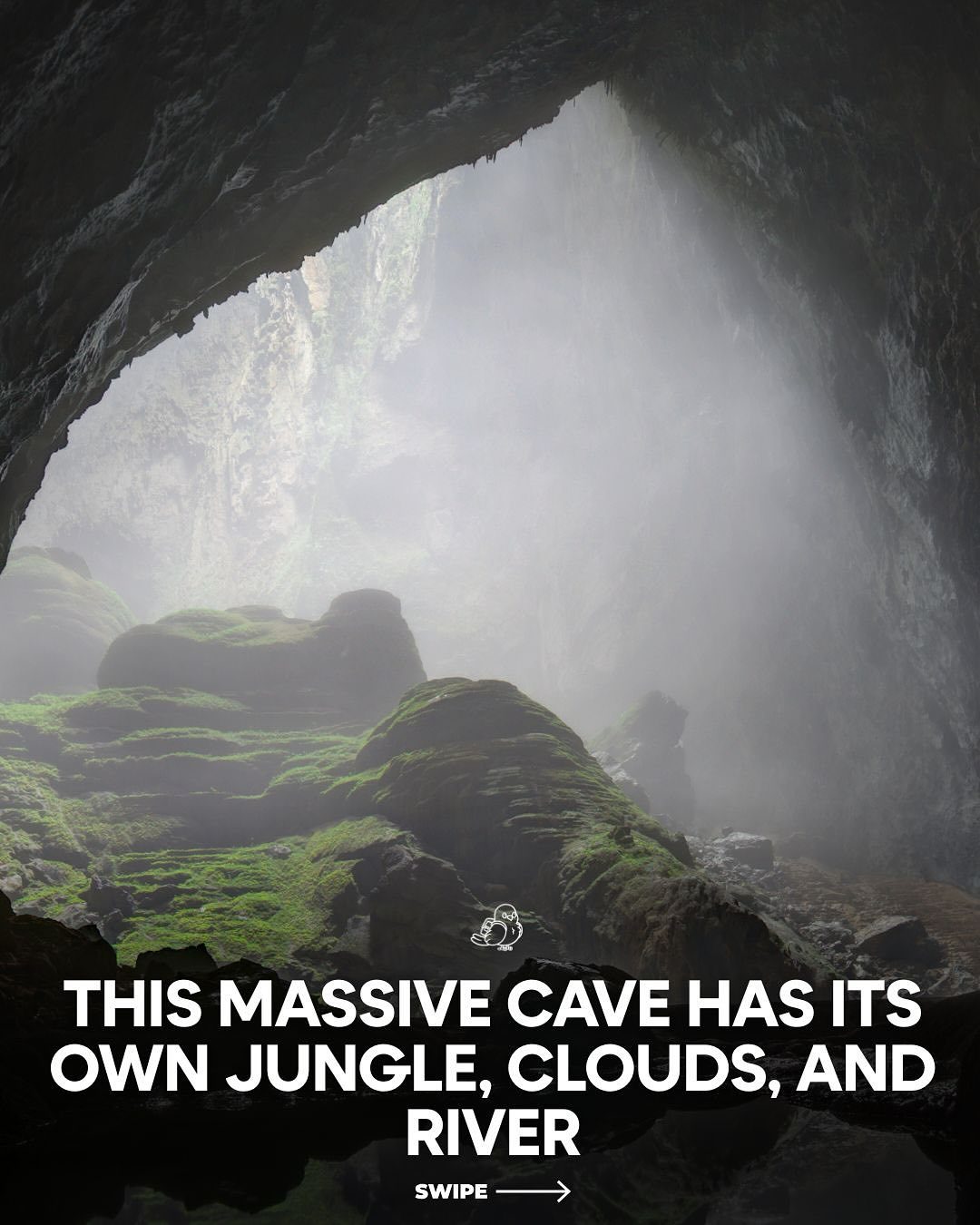
Deep within Vietnam’s Phong Nha-Kẻ Bàng National Park lies Son Doong, a geological marvel that stands as the largest cave in the world. This colossal cavern is not just a geological wonder; it's an entire ecosystem unto itself, complete with its own river, clouds, and even a rainforest. The cave's immense size is staggering—it could comfortably hold a 40-story skyscraper. Discovered in 2009, Son Doong offers a surreal adventure that is unlike any other on Earth.
This cave's unique features make it a prime destination for adventurers and backpackers alike. Its vast interior, including a vast cavern with a river flowing through it, surrounded by lush vegetation and mist, creates a mystical atmosphere. The interior holds a variety of geological formations, turquoise lakes, and a dramatic waterfall at its edge, making it a breathtaking sight for those lucky enough to explore it.
Why This Matters
While there are many caves around the world, Son Doong stands out for several reasons. Firstly, its size is unparalleled, making it a geological marvel. Secondly, its unique ecosystem, formed through collapsed ceilings that let in sunlight and create a self-sustaining environment, is a rare phenomenon. Lastly, the limited access to this cave means it remains relatively untouched by human interference, making it a pristine natural destination.
The Unique Features of Son Doong
A Vast and Complex Cave System
Son Doong's sheer size and complexity make it a geologist's dream. The cave system is large and intricate, with a variety of geological features that illuminate the history of the Earth’s crust. Its dimensions are immense, with passageways and chambers large enough to accommodate an entire ecosystem. The cave features a range of rock formations, including stalactites, stalagmites, and helictites, each telling a story of the cave’s formation over thousands of years.
An Underground Ecosystem
One of the most remarkable aspects of Son Doong is its self-sustaining ecosystem. The collapse of the cave's ceilings, known as dolines, allows sunlight to penetrate the cave, fostering the growth of a lush rainforest and supporting a diverse array of flora and fauna. The underground river and the cave's unique microclimate create an environment where plants and animals thrive, making it a haven for biologists and ecologists.
Access and Expeditions
Access to Son Doong is extremely limited. Only a few hundred people are allowed to enter the cave each year through guided expeditions. These expeditions typically start in Dong Hoi, a city near the Phong Nha-Kẻ Bàng National Park. The journey to Son Doong is an adventure in itself, involving trekking through dense forests and crossing rivers. The limited access ensures that the cave remains pristine and largely untouched by human activity, preserving its natural beauty for future generations.
Practical Tips for Planning a Son Doong Expedition
Choosing the Right Time to Visit
The best time to visit Son Doong is during the dry season, from February to August. During this period, the weather is more predictable, and the trails are less muddy, making the trek more manageable. However, it's essential to be prepared for the cave's unique climate, which can be humid and cool, even during the dry season.
Essential Gear
Bringing the right gear is crucial for a successful Son Doong expedition. Essential items include:
- Sturdy hiking boots: The terrain can be rough, with rocky surfaces and water crossings.
- Waterproof clothing: The cave’s microclimate can be unpredictable, and rain is always a possibility.
- Headlamps and extra batteries: The cave is dark, and having a reliable light source is essential.
- Insect repellent: The rainforest ecosystem means insects, so protection is necessary.
- First-aid kit: Always be prepared for emergencies.
- Water and snacks: Staying hydrated and energized is crucial for the long trek.
Physical Fitness
A Son Doong expedition is physically demanding. Be prepared for long days of hiking, climbing, and wading through water. Good physical fitness and stamina are essential for enjoying the experience to the fullest. If you have any health concerns, consult a doctor before embarking on the journey.
Important Takeaways
Visiting Son Doong Cave is more than just an adventure; it's a journey into another world. Here are some key takeaways to keep in mind:
- Size and scale: The sheer size of Son Doong is awe-inspiring. It's a testament to the power and beauty of nature.
- Unique ecosystem: The cave’s ecosystem is a rare and delicate balance of flora and fauna, making it a fascinating study for biologists and ecologists.
- Limited access: The limited access ensures that Son Doong remains pristine, making it a true destination for adventurers seeking an authentic experience.
Conclusion
Son Doong Cave is a natural marvel that offers a once-in-a-lifetime adventure. Its vast size, unique ecosystem, and limited access make it a truly special destination for backpackers and adventurers. With its rich geological history and diverse flora and fauna, Son Doong is more than just a cave—it's another world waiting to be explored. Whether you're a seasoned adventurer or a curious traveler, Son Doong promises an unforgettable experience deep within the heart of Vietnam’s Phong Nha-Kẻ Bàng National Park.
Watch the Reel
Questions readers ask
How was Son Doong Cave discovered and when?
Son Doong Cave was discovered in 2009 by a group of local men who were using the cave as a shelter during a storm. Later, they guided a British explorer, Howard Limbert, into the cave, leading to its official discovery.
What makes Son Doong Cave's ecosystem unique?
Son Doong Cave's ecosystem is unique because it is entirely self-contained. It has its own river, which feeds into a vast subterranean lake, clouds, and even a rainforest. This makes it a rare example of a subterranean ecosystem, with several plant and animal species found nowhere else on Earth.
What is the best time of year to explore Son Doong Cave?
The best time to explore Son Doong Cave is during the dry season, from February to August. During this period, the weather is generally more stable, and the cave's paths are easier to navigate, and the river is less swollen.
How long does a typical expedition into Son Doong Cave take?
A typical expedition into Son Doong Cave takes about 5-6 days. This includes the journey to and from the cave, as well as time spent exploring its vast interior and camping within the cave itself.
What should visitors expect from the climate inside Son Doong Cave?
Due to the cave's vast size and the rainforest it houses, the climate inside Son Doong is hot, humid, and damp. Temperatures can reach up to 28°C (82°F) and humidity is almost always above 90%. It's crucial to be prepared with appropriate clothing and gear.
How do visitors get to Son Doong Cave?
Visitors typically reach Son Doong Cave via a scenic 2-hour drive from Dong Hoi, the nearest city, through the Phong Nha-Kẻ Bàng National Park. The journey is an adventure in itself, traversing rugged terrain and lush landscapes.
What are some of the notable geological formations inside Son Doong?
Son Doong Cave is home to several stunning geological formations. These include the Great Wall of Vietnam, a towering 90-meter high and 100-meter wide stalagmite wall, and the Garden of Edam, a vast chamber filled with lush vegetation. Additionally, the cave features towering stalactites, and shimmering turquoise lakes.
Related deep dives
Similar reads based on topic and creator.


Recent articles
Fresh deep dives from the latest Reels we unpacked.



Comments
Be the first to comment.