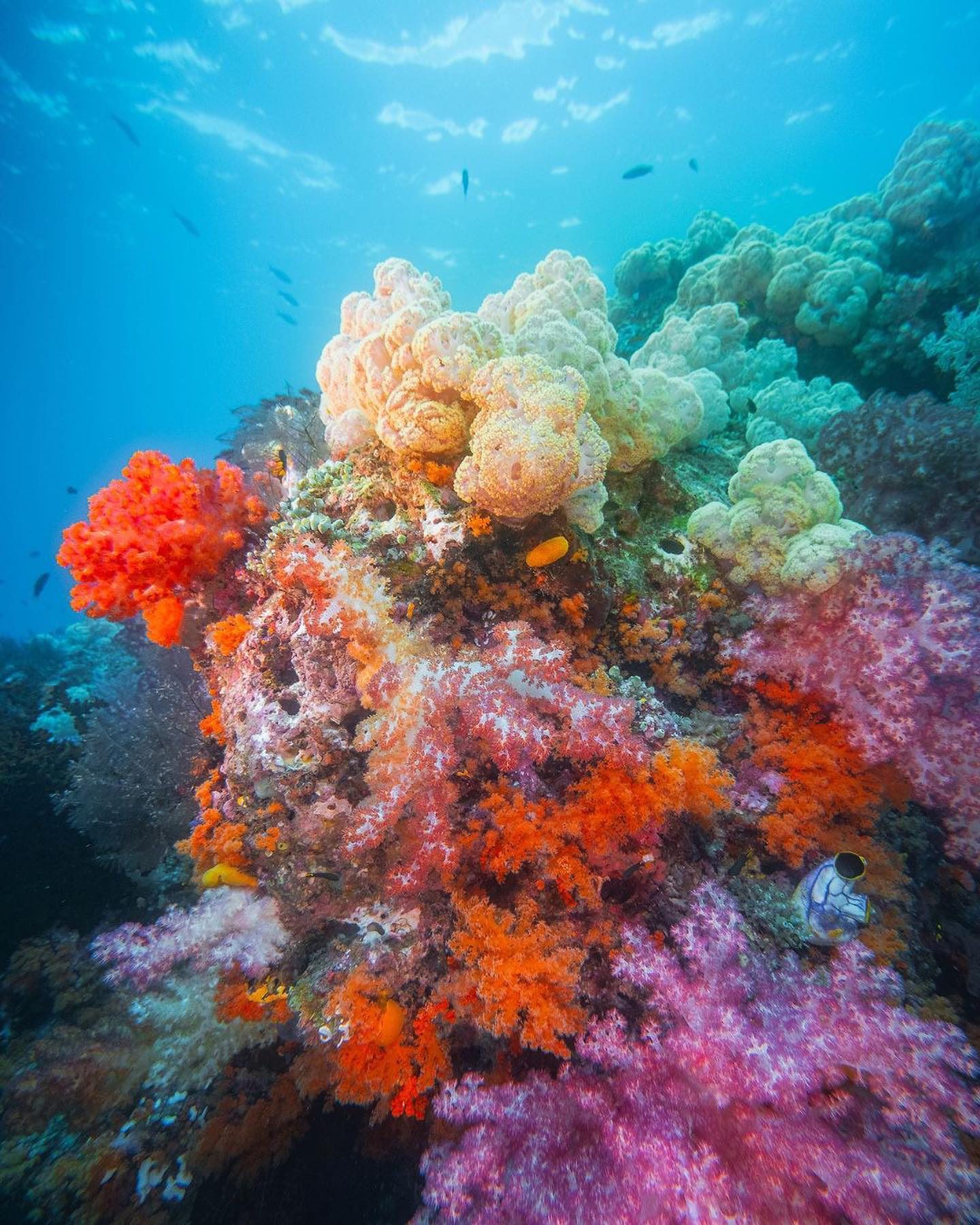
Underwater Coral Reefs
Coral reefs are among the most vibrant and biodiverse ecosystems on Earth, and Raja Ampat, Indonesia, is a testament to their breathtaking beauty and ecological significance. These underwater cities are not just visual marvels but are also pivotal for the health of our oceans. Let's dive into the world of coral reefs, their importance, the threats they face, and how we can contribute to their preservation.
Context / Why this matters
Coral reefs support approximately 25% of all known marine life, despite covering only 0.1% of the ocean floor. They serve as nurseries for many fish species, protect coastal areas from erosion and storm surges, and contribute significantly to local economies through tourism and fisheries. However, climate change, pollution, and other human activities pose severe threats to these delicate ecosystems. Understanding the role and plight of coral reefs is crucial for their conservation and the overall health of our oceans.
Main discussion
The Underwater World of Raja Ampat
Raja Ampat, which translates to "Four Kings," is an archipelago in Indonesia's West Papua province. It is renowned for its crystal-clear waters and stunning coral reefs, which host a vast array of marine species. The diversity of coral formations and the richness of marine life in Raja Ampat make it a prime example of the beauty and complexity of coral reef ecosystems.
The Role of Coral Reefs
Coral reefs play several critical roles in marine ecosystems:
- Biodiversity Hotspots: They provide habitats for countless species, including fish, invertebrates, and plants.
- Coastal Protection: Coral reefs act as natural barriers, shielding coastlines from waves, storms, and erosion.
- Economic Value: Reefs support local economies through tourism, fisheries, and recreation.
Threats to Coral Reefs
Despite their importance, coral reefs face numerous threats:
- Climate Change: Rising sea temperatures cause coral bleaching, a phenomenon where corals expel the algae living in their tissues, turning white. If conditions do not improve, the corals can die.
- Pollution: Plastic waste, chemical run-off, and sewage dumping harm coral reefs and their inhabitants.
- Overfishing: Unsustainable fishing practices deplete fish populations, disrupting the ecological balance of reefs.
Practical tips
Supporting Reef-Friendly Organizations
Many organizations are dedicated to preserving coral reefs. You can contribute by:
- Donating: Financial support helps fund research, restoration projects, and conservation efforts.
- Volunteering: Offer your time to participate in beach clean-ups, coral planting, or other conservation activities.
- Spreading Awareness: Share information about the importance of coral reefs and the threats they face.
Traveling Responsibly
When visiting reef areas, opt for eco-friendly travel choices:
- Use Reef-Safe Sunscreen: Traditional sunscreens contain chemicals that can damage corals. Choose mineral-based sunscreens labeled as reef-safe.
- Choose Eco-Friendly Tours: Support tour operators that prioritize sustainable practices and follow responsible diving and snorkeling guidelines.
Reducing Plastic Use
Plastic pollution is a significant threat to marine life, including coral reefs. Here's how you can make a difference:
- Ditch Single-Use Plastics: Opt for reusable water bottles, bags, and containers.
- Participate in Clean-Up Efforts: Join local beach clean-ups or organize your own.
Choosing Sustainable Seafood
Sustainable seafood practices help maintain the health of reefs:
- Opt for Sustainable Choices: Choose seafood that is certified by organizations like the Marine Stewardship Council (MSC) or the Aquaculture Stewardship Council (ASC).
- Avoid Overfished Species: Be aware of which species are overfished and choose alternatives.
Important takeaways
- Coral reefs are vital for marine biodiversity, coastal protection, and local economies.
- Climate change, pollution, and unsustainable practices threaten these ecosystems.
- Supporting conservation efforts, traveling responsibly, reducing plastic use, and choosing sustainable seafood can help protect coral reefs.
Conclusion
The underwater world of Raja Ampat showcases the breathtaking beauty and ecological significance of coral reefs. These ecosystems are not just visually stunning; they are essential for the health of our oceans and the well-being of marine life. By understanding the threats they face and taking proactive steps, we can contribute to their preservation and ensure these underwater cities continue to thrive for generations to come.
Watch the Reel
Related deep dives
Similar reads based on topic and creator.



Recent articles
Fresh deep dives from the latest Reels we unpacked.




Comments
Be the first to comment.