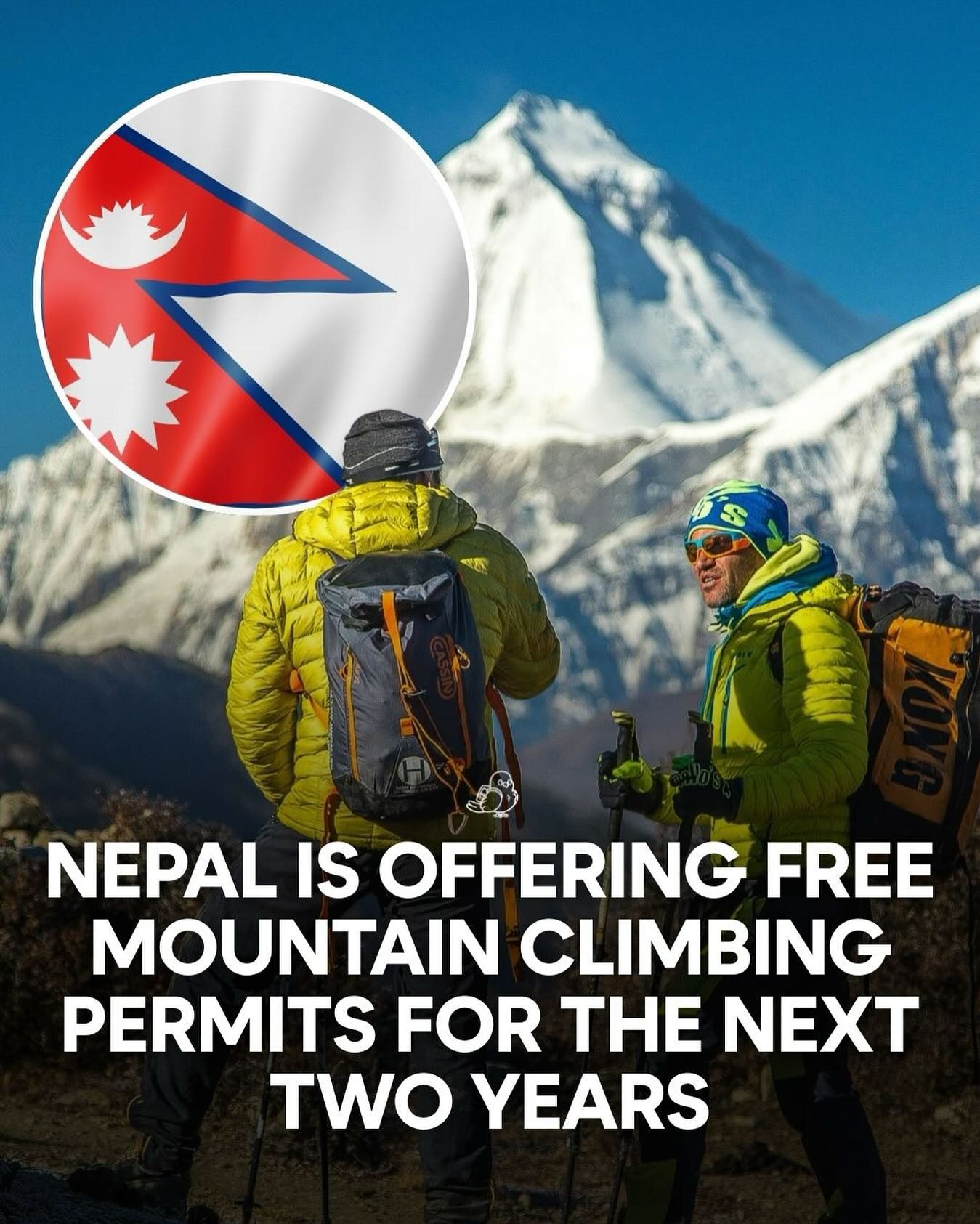
Mountain Climbing in Nepal
Nepal has announced a groundbreaking initiative that opens up the stunning Himalayan range to climbers around the world. Starting July 17, 2025, the country will be offering free climbing permits for 97 peaks in the Himalayas. These mountains, ranging from 5,870 meters to 7,132 meters, are nestled in the remote Karnali and Sudurpashchim provinces and offer untouched trails and epic summits that few have explored.
Why this Matters
The new policy has several significant implications for climbing enthusiasts and the local communities:
Reduced Pressure on Everest - The free permits present a rare opportunity to climb lesser-known Himalayan giants, such as Api (7,132 m), Api West (7,076 m), and Saipal (7,030 m). This initiative could help alleviate some of the pressure on overcrowded routes like Mount Everest, where permit fees are set to increase from $11,000 to $15,000 starting September 1, 2025.
New Pathways to Everest - If Nepal’s proposed rules come into effect, these free peaks could serve as essential stepping stones for climbers aiming to summit Everest. The experience gained from these lesser-known peaks could be invaluable for future Everest expeditions.
Eco-Tourism Boost - The move is expected to boost eco-tourism and support remote local communities. By encouraging climbers to explore these less-traveled regions, Nepal can foster economic growth and sustainability in areas that have previously seen limited tourist activity.
The Peaks and their Significance
The 97 peaks open for free climbing include some of the most remote and challenging mountains in the Himalayas. The highest of these, Api (7,132 m), stands as a formidable challenge and offers breathtaking views from its summit. Api West (7,076 m), another notable peak, shares a similar imposing stature and is known for its technical climbing routes.
Saipal (7,030 m) is another peak that draws climbers seeking a less-crowded experience. Located in the Humla District, Saipal is part of the Kanjiroba Himal range and offers a unique blend of cultural and natural beauty. Climbers can expect to encounter traditional Tibetan villages and ancient Buddhist sites along the way.
What to Expect in the Next Two Years
The offer of free permits is set to last for the next two years, from July 17, 2025, to July 17, 2027. This window provides ample time for climbers to plan and execute their expeditions. The extended duration also allows for the development of local infrastructure and services to support the influx of climbers, benefiting both the climbers and the local communities.
Practical Tips for Planning Your Expedition
If you're considering taking advantage of this unique opportunity, here are some practical tips to help you plan your expedition:
Choose the Right Season - The best time to climb in the Himalayas is typically during the spring (March to May) and autumn (September to November) seasons. During these months, weather conditions are generally more favorable, with clearer skies and milder temperatures. Avoid the monsoon season (June to August) and the harsh winter months (December to February) as these can make climbing extremely challenging and dangerous.
Understand the Terrain - Familiarize yourself with the terrain and the specific challenges of the peaks you plan to climb. While some routes are technical, others may require extensive trekking through remote and challenging landscapes. Proper research and preparation are essential to ensure a safe and successful climb.
Local Guides and Support - Engage local guides and porters to support your expedition. They provide invaluable assistance with navigation, logistics, and cultural insights. Additionally, supporting local communities helps ensure the sustainability of these initiatives and fosters goodwill among the residents.
Physical and Mental Preparation - Mountain climbing in the Himalayas demands both physical and mental preparation. Engage in rigorous training programs, focusing on strength, endurance, and flexibility. Equally important is mental preparedness, as climbers must be ready to face unpredictable weather, challenging terrain, and the psychological demands of high-altitude climbing.
Important Takeaways
The offer of free climbing permits for 97 Himalayan peaks is a significant development for adventure travelers and mountaineers. Here are the key takeaways to keep in mind:
Opportunity to Explore Untouched Trails - With the free permits, climbers have a unique chance to explore trails and summits that have seen very limited foot traffic. This is a rare opportunity to experience the Himalayas in a more pristine and undisturbed state.
Economic and Environmental Benefits - The initiative is poised to bring economic benefits to remote communities while promoting sustainable tourism. By encouraging climbers to visit these less-traveled areas, Nepal can diversify its tourism offerings and foster long-term community development.
Preparation and Planning - Successful climbing expeditions require thorough preparation and planning. Climbers should be well-versed in the terrain, weather conditions, and local support systems to ensure a safe and enjoyable experience.
Conclusion
The Himalayas, with their towering peaks and breathtaking landscapes, have long captivated the imagination of adventurers and climbers. Nepal’s offer of free climbing permits for 97 peaks provides a unique opportunity to explore the lesser-known regions of the Himalayas, supporting both climbers and local communities in the process. Whether you’re a seasoned mountaineer or an adventurous traveler, this is a chance to experience the Himalayas in a way that few have before.
Watch the Reel
Questions readers ask
Which peaks are included in Nepal's free climbing initiative?
Nepal's initiative includes 97 peaks ranging from 5,870 meters to 7,132 meters in elevation. Some of the notable peaks are Api (7,132 m), Api West (7,076 m), and Saipal (7,030 m). These peaks are located in the remote Karnali and Sudurpashchim provinces, offering untouched trails and epic summits.
When will the free climbing permits be available?
The free climbing permits will be available starting July 17, 2025. This initiative is part of Nepal's effort to promote Himalayan eco-tourism and reduce pressure on popular routes like Mount Everest.
What are the benefits of exploring these remote Himalayan peaks?
Exploring these remote Himalayan peaks offers climbers the chance to experience untouched trails and epic summits. Additionally, it helps distribute climbers across a wider range of regions, reducing the environmental impact on popular routes and boosting local economies.
Are there any requirements to obtain a free climbing permit?
While the permits are free, climbers are still expected to follow standard procedures for obtaining permits, which typically involve submitting necessary documents, and ensuring that they are physically prepared for the climb. The exact requirements should be confirmed with the official Nepalese authorities.
How will this initiative impact local communities?
The initiative aims to boost eco-tourism in remote regions, which can bring economic benefits to local communities. By attracting climbers to these areas, the initiative can stimulate local economies, create job opportunities, and support infrastructure development.
What safety measures should climbers consider when exploring these new routes?
Climbers should be well-prepared with appropriate gear, physical fitness, and knowledge of high-altitude climbing. Given the remote locations, climbers should also have a reliable communication plan and consider hiring experienced local guides who know the terrain and weather conditions.
Can I combine this climbing experience with other trekking activities in Nepal?
Yes, Nepal offers a variety of trekking activities that can be combined with these climbing experiences. Exploring the remote Himalayan peaks can be a part of a broader adventure, including trekking through the stunning landscapes of the Karnali and Sudurpashchim provinces.
Related deep dives
Similar reads based on topic and creator.




Recent articles
Fresh deep dives from the latest Reels we unpacked.




Comments
Be the first to comment.