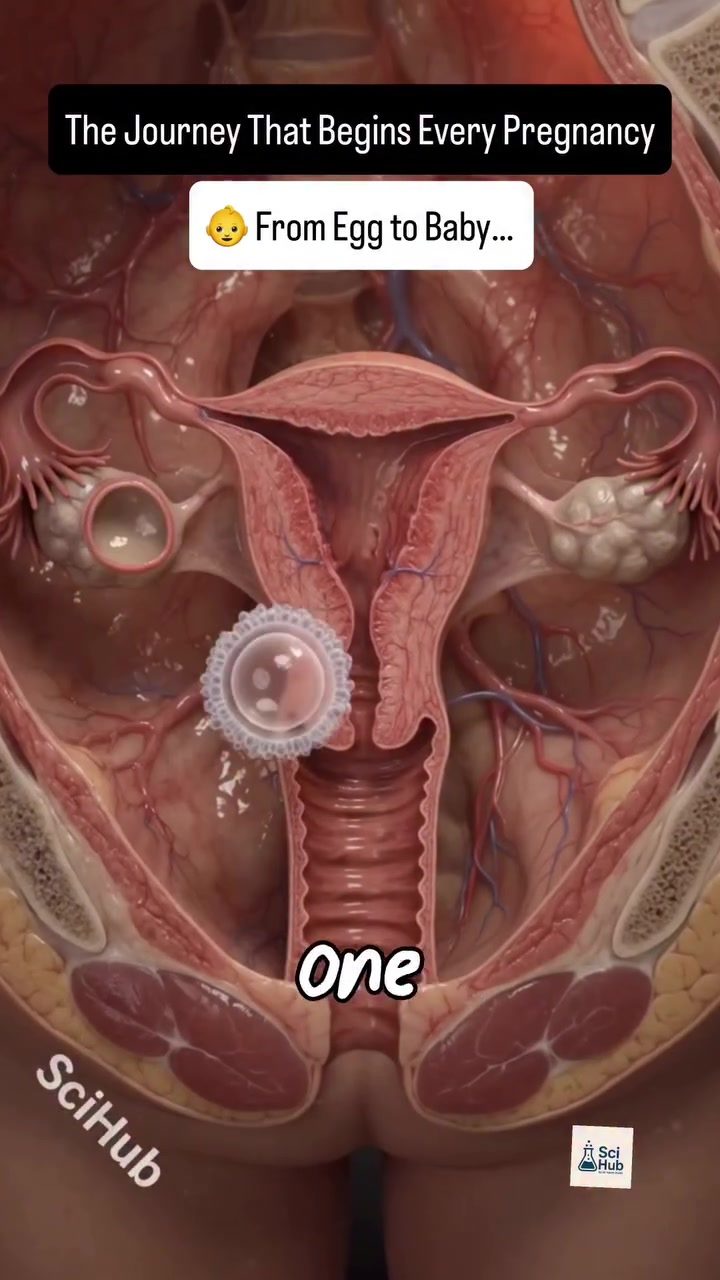
The Complete Journey of Human Life: From Egg to Baby
The journey from a single egg to a fully developed baby is a remarkable process filled with intricate biological steps. This journey begins with ovulation and progresses through fertilization, embryo development, and implantation. Understanding this process provides a deeper appreciation for the complexities of human reproduction.
Context: The Journey of a New Human Life
Human reproduction involves a series of well-coordinated events that culminate in the formation of a new life. Each stage of this journey is crucial, from the release of an egg to its eventual implantation in the uterus. This biological process is both fascinating and complex, involving the synchronized actions of various reproductive organs and cells.
Main Discussion
Ovulation and Egg Release
Every month, a single, mature egg is released from the ovary. This process, known as ovulation, is a critical step in the journey of a human egg. The egg is captured by tiny, finger-like structures called fimbria, which guide it into the fallopian tube. This is where the extraordinary journey of the egg begins.
Fertilization
Once the egg is in the fallopian tube, it encounters thousands of sperm. Inside the widest part of the fallopian tube, these sperm surround the egg. Only one sperm successfully penetrates the egg, creating the first cell of a new human life. This initial cell, known as a zygote, is the starting point for the development of an embryo.
Embryo Development
The zygote begins to divide into more cells as it travels through the fallopian tube. This division is rapid and continuous, leading to the formation of an embryo. The embryo continues to develop as it moves towards the uterus. During this journey, the embryo undergoes significant changes, preparing for the next crucial step: implantation.
Implantation
A few days after fertilization, the embryo reaches the uterus. It does not remain on the surface but gently burrows into the uterine lining, marking the beginning of pregnancy. This process, known as implantation, is where the embryo begins to embed itself into the endometrium, the inner lining of the uterus. This embedding is essential for the embryo to receive the necessary nutrients and support for further development.
Uterine Lining and Pregnancy
Once implanted, the embryo, now called a blastocyst, continues to grow and develop inside the uterine lining. The blastocyst slowly buries itself deeper into the endometrium, ensuring a secure attachment. This attachment is crucial for the embryo to receive the nutrients and oxygen it needs to grow. The uterine lining provides a nurturing environment for the developing embryo, supporting its growth and development until it is ready to be born.
Practical Tips for Understanding Reproduction
Understanding the journey from egg to baby can be both enlightening and confusing. Here are some practical tips to help you grasp the process:
Learn the Key Terms
Familiarize yourself with key terms such as ovulation, fertilization, embryo, blastocyst, and implantation. Understanding these terms will help you follow the journey more clearly.
Visualize the Process
Use visual aids, such as 3D medical animations, to visualize the journey of an egg from the ovary to the uterus. These visuals can provide a clearer picture of the biological processes involved.
Follow Reputable Sources
Rely on reputable sources for information on human reproduction. Look for sources that provide detailed, accurate information backed by medical research.
Important Takeaways
The journey from egg to baby is a complex and fascinating process. Key takeaways include:
The Role of the Fallopian Tube
The fallopian tube plays a crucial role in the journey of the egg. It is where fertilization occurs and where the embryo begins its development.
The Significance of Implantation
Implantation is a critical step in the journey. It marks the beginning of pregnancy and ensures that the embryo receives the necessary nutrients and support for development.
The Importance of the Uterine Lining
The uterine lining provides a nurturing environment for the developing embryo. It supports the embryo's growth and development until it is ready to be born.
Embryo Development
The embryo undergoes significant changes as it travels through the fallopian tube and implants in the uterus. Understanding these changes can provide a deeper appreciation for the complexities of human reproduction.
Conclusion
The journey from egg to baby is a remarkable process filled with intricate biological steps. Understanding this process provides a deeper appreciation for the complexities of human reproduction. From ovulation to implantation, each stage of this journey is crucial, involving the coordinated actions of various reproductive organs and cells. By learning about this process, we can gain a greater understanding of the miracle of life and the wonders of human biology.
Watch the Reel
Questions readers ask
Where does conception typically occur in the human body?
Conception usually occurs in the fallopian tubes. After ovulation, the released egg is picked up by the fallopian tube where it may be fertilized by sperm. The fertilization process involves the sperm penetrating the egg, leading to the formation of a zygote, which then begins to divide and develop into an embryo.
What are the key stages of embryo development after fertilization?
After fertilization, the embryo undergoes several key stages of development. Initially, it is a single-celled zygote, which rapidly divides to form a morula. The morula then develops into a blastocyst, which consists of an inner cell mass that will eventually form the fetus, and an outer layer of cells that will become the placenta. These stages are crucial for the successful implantation of the embryo into the uterine lining.
How does the embryo travel from the fallopian tube to the uterus?
The journey from the fallopian tube to the uterus is a delicate process. The embryo, now a blastocyst, is propelled by the cilia and muscular contractions of the fallopian tube. This movement typically takes around 3-4 days. Once it reaches the uterus, the blastocyst must successfully implant into the endometrium, a process that is vital for the continuation of the pregnancy.
What happens during the implantation process?
Implantation is a critical phase where the blastocyst attaches to the uterine lining. This process involves the blastocyst burrowing into the endometrium and establishing a connection with the maternal blood supply. Successful implantation is necessary for the embryo to receive essential nutrients and support its growth, marking the beginning of early pregnancy stages.
What is the significance of the luteal phase in the egg to baby journey?
The luteal phase, which follows ovulation, is essential for preparing the uterus for implantation. During this phase, the corpus luteum produces progesterone, a hormone that thickens the endometrial lining. This thickening is crucial for supporting the implantation of the blastocyst and the early stages of pregnancy. If implantation does not occur, the corpus luteum degenerates, leading to the shedding of the uterine lining, which results in menstruation.
How long does it typically take for a fertilized egg to become a recognizable embryo?
The timeline from fertilization to a recognizable embryo is quite rapid. Within the first week after fertilization, the zygote undergoes several rounds of cell division, forming a morula and then a blastocyst. By the end of the second week, the blastocyst has developed distinct inner and outer cell layers, setting the stage for implantation and the formation of the placenta and fetus. This early development is crucial for the successful continuation of the pregnancy.
What role does the fallopian tube play in the biology of conception?
The fallopian tubes are integral to the process of conception. They pick up the egg after it is released from the ovary during ovulation. The fallopian tube provides an optimal environment for fertilization, where sperm can meet and fertilize the egg. Once fertilization occurs, the fallopian tube facilitates the movement of the developing embryo towards the uterus, where implantation will eventually take place.
Related deep dives
Similar reads based on topic and creator.

Recent articles
Fresh deep dives from the latest Reels we unpacked.




Comments
Be the first to comment.