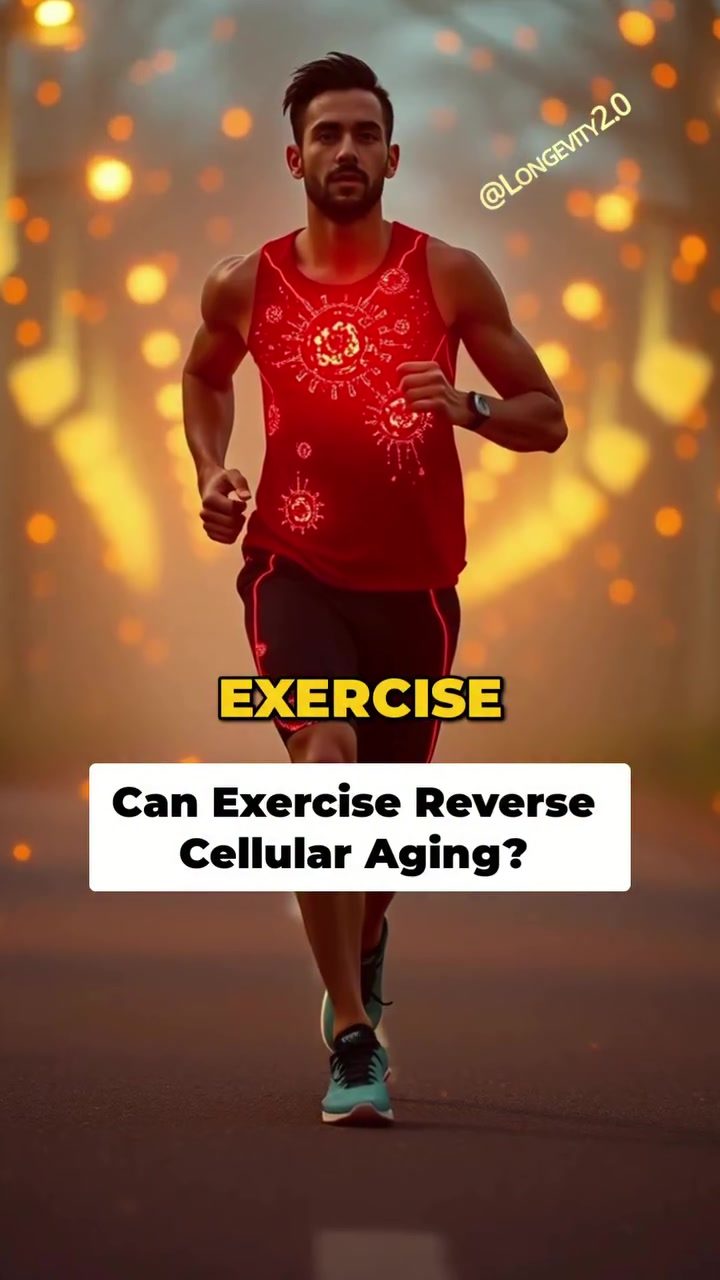
Cellular Aging and Exercise
Aging is a complex process influenced by many factors, one of which may be senescent cells. These are often referred to as "zombie cells" because, once damaged, they stop dividing and creating new cells, but instead of dying, they linger in the body, releasing inflammatory chemicals. This phenomenon is known as the Senescence-Associated Secretory Phenotype (SASP), and it can lead to a variety of health issues, including chronic inflammation, tissue dysfunction, accelerated aging, and an increased risk of disease.
Why This Matters
Understanding how lifestyle choices, particularly exercise, can impact senescent cells is crucial. Research has shown that regular exercise can significantly reduce the number of these harmful cells, potentially slowing down the aging process and promoting better overall health.
Main Discussion
Understanding Senescent Cells
Senescent cells arise when the epigenome, the system that regulates gene expression, becomes dysregulated. In response, the body attempts to prevent these damaged cells from causing further harm by shutting them down. These cells, though alive, are no longer functional and can cause significant harm by releasing inflammatory chemicals into the bloodstream. This SASP is linked to various age-related health issues, making it a key focus for researchers studying longevity.
The Role of Exercise
One of the most compelling findings in the field of aging research is the impact of exercise on senescent cells. Studies, such as one referenced by David Sinclair, have shown that a 12-week exercise program can dramatically reduce the number of senescent immune cells in the body. This reduction is linked to improved cellular health and a slower rate of biological aging.
The Science Behind the Benefits
The benefits of exercise extend beyond just calorie burning. Regular physical activity sends powerful signals to the body to repair and renew itself. This process is particularly effective in reducing the number of senescent cells and their harmful effects. By engaging in consistent exercise, individuals can influence their cellular biology in a way that promotes longevity and overall health.
The Study: A 12-Week Exercise Program
A study involving 34 individuals showed that a 12-week exercise program led to a significant decrease in senescent immune cells. This reduction was linked to a lower presence of inflammatory markers in the blood, suggesting that exercise can help reverse or mitigate the harmful effects of SASP. The findings indicate that regular exercise can be a potent tool in the fight against age-related health issues.
Additional Factors
While exercise is a powerful tool, it is not the only factor that can influence the formation and impact of senescent cells. Lifestyle changes, such as a healthy diet and proper supplementation, as well as certain drugs, have also been shown to slow the formation of these cells and even kill them off. Combining these elements can create a holistic approach to longevity and health.
Practical Tips
Incorporating Exercise into Daily Life
To reap the benefits of exercise on cellular health, it's important to incorporate physical activity into your daily routine. This doesn't necessarily mean intense workouts; even moderate activities like walking, cycling, or swimming can make a difference. The key is consistency—aiming for at least 30 minutes of moderate exercise most days of the week.
Balancing with a Healthy Diet
A balanced diet rich in nutrients can enhance the benefits of exercise. Foods high in antioxidants, such as berries and leafy greens, can help combat inflammation and support overall health. Pairing regular exercise with a healthy diet can create a synergistic effect that promotes longevity and well-being.
Monitoring Progress
Tracking your cellular health can provide valuable insights into the effectiveness of your lifestyle changes. Regular check-ups and health screenings can help monitor inflammatory markers and other indicators of aging. This information can guide adjustments to your exercise and diet regimen for optimal results.
Exploring Additional Strategies
In addition to exercise and diet, consider other lifestyle changes that can support cellular health. Adequate sleep, stress management techniques, and supplements like resveratrol and curcumin have shown promise in reducing inflammation and supporting longevity. Consult with a healthcare provider to determine the best strategies for your individual needs.
Professional Guidance
It is essential to consult with a healthcare provider before starting any new exercise or health program. They can provide personalized recommendations and ensure that your chosen strategies are safe and effective for your specific health situation.
Important Takeaways
The Power of Movement
Exercise is more than just a way to stay fit; it is a powerful tool for influencing cellular biology. Regular physical activity can reduce the number of senescent cells, improve overall health, and slow down the aging process.
Holistic Approach
Combining exercise with a healthy diet, adequate sleep, and stress management creates a holistic approach to longevity and wellness. Each of these factors plays a crucial role in supporting cellular health and promoting overall well-being.
Personalized Strategies
Everyone's body responds differently to lifestyle changes. Working with healthcare professionals to develop personalized strategies can help maximize the benefits of exercise and other health-promoting activities.
The Journey to Longevity
Longevity is not just about living longer; it's about living better. By understanding the role of senescent cells and the impact of exercise, individuals can take proactive steps to improve their cellular health and enjoy a higher quality of life.
Conclusion
Cellular aging is a complex process influenced by various factors, including senescent cells. Exercise has emerged as a powerful tool for reducing the impact of these harmful cells, promoting better overall health, and slowing down the aging process. By incorporating regular physical activity into your lifestyle, you can send powerful signals to your body to repair and renew itself, ultimately contributing to longevity and well-being.
Watch the Reel
Questions readers ask
How do zombie cells contribute to aging and health issues?
Zombie cells, or senescent cells, contribute to aging by releasing inflammatory chemicals, a process known as the Senescence-Associated Secretory Phenotype (SASP). This can lead to chronic inflammation, tissue dysfunction, and an increased risk of various diseases. Regular exercise has been shown to reduce the number of these cells, potentially slowing down aging and improving overall health.
What is the relationship between exercise and the reduction of senescent cells?
Regular physical activity has been found to decrease the number of senescent cells in the body. This reduction can help mitigate the harmful effects of these cells, such as inflammation and tissue damage, thereby promoting better health and potentially slowing the aging process.
What types of exercise are most effective in reducing senescent cells?
While more studies are needed to pinpoint the exact types of exercise that work best, research suggests that regular physical activity such as walking, running, and strength training can significantly reduce senescent cells and improve overall health. Incorporating a mix of aerobic and resistance exercises into your routine may be beneficial.
How does exercise help in slowing down the aging process?
Exercise slows down aging by reducing the number of senescent cells, which are known to cause inflammation and tissue dysfunction. Regular physical activity can also promote cellular repair and regeneration, helping to maintain overall health and potentially extending longevity.
What are some benefits of an exercise anti-aging program?
An exercise anti-aging program can help reduce inflammation, improve tissue function, and decrease the risk of age-related diseases. By incorporating regular physical activity, such as walking, running, and strength training, you can promote cellular repair, enhance overall health, and potentially extend your lifespan.
Can exercise reverse the effects of cellular aging?
While exercise cannot completely reverse the effects of cellular aging, it can significantly slow down the process. Regular physical activity helps reduce the number of senescent cells, which are responsible for inflammation and tissue damage, thereby promoting better health and potentially extending longevity.
How does exercise impact longevity?
Exercise impacts longevity by reducing senescent cells and promoting cellular repair and regeneration. Regular physical activity can improve overall health, decrease the risk of age-related diseases, and potentially extend lifespan. Incorporating a mix of aerobic and resistance exercises can contribute to a healthier, longer life.
Related deep dives
Similar reads based on topic and creator.

Recent articles
Fresh deep dives from the latest Reels we unpacked.




Comments
Be the first to comment.