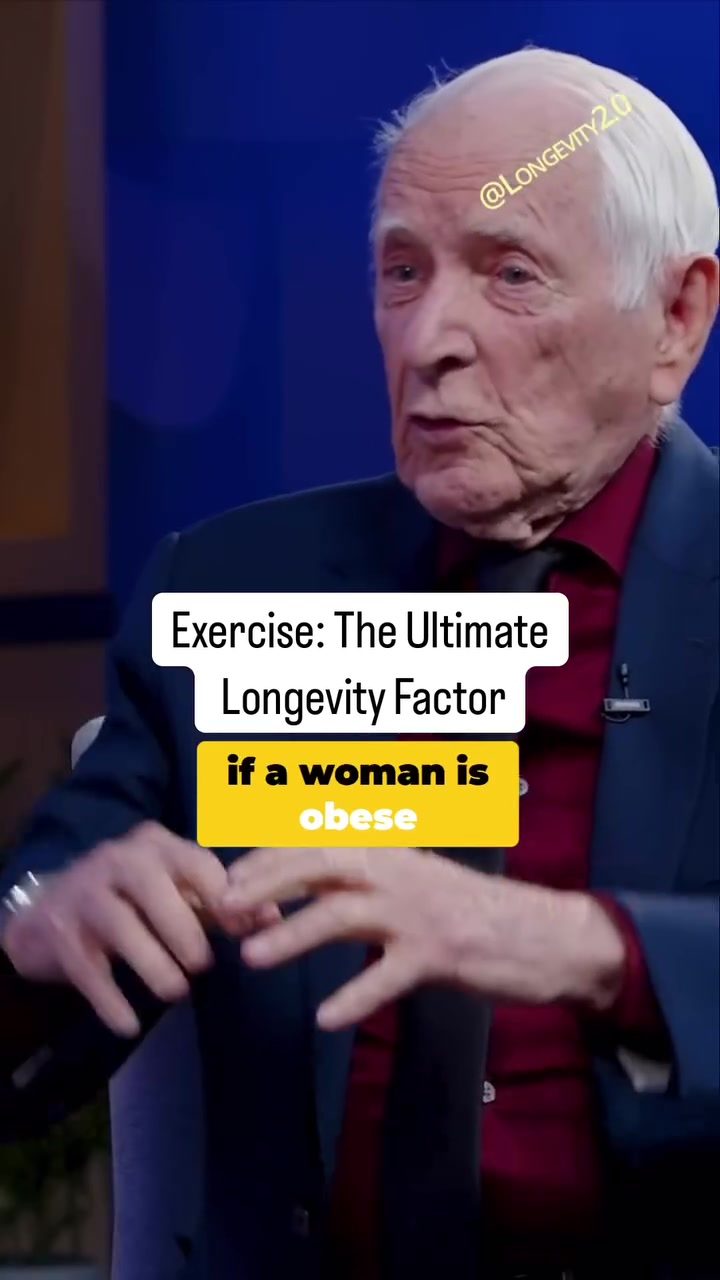
The Ultimate Longevity Hack: How Exercise Can Extend Your Life
In today’s fast-paced world, the quest for a longer, healthier life is more relevant than ever. Regular exercise, often hailed as the ultimate longevity hack, can significantly impact your lifespan, regardless of other health factors. This article dives into how exercise can be a game-changer for your health, even if you are overweight, a smoker, or have high cholesterol.
Why This Matters
Longevity is a concept that encompasses much more than just aging gracefully; it’s about living a high-quality life for as long as possible. The ability to move more and live longer is a passion of many, as it directly ties into overall well-being and the avoidance of age-related diseases. Exercise has proven to be one of the most powerful tools in this endeavor, regardless of your starting point.
The Science Behind Exercise and Longevity
Exercise and Obesity
Research supports the notion that regular exercise can counteract the negative effects of obesity. A woman who is obese but exercises regularly might outlive a normal-weight woman who does not engage in physical activity. This emphasizes the critical role that movement plays in longevity, even when other health indicators may not be optimal.
Exercise and Heart Health
High blood pressure and elevated cholesterol levels are significant risk factors for heart disease. While managing these conditions through diet and medication is crucial, exercise adds another layer of protection. Regular physical activity can help lower blood pressure and improve cholesterol profiles, contributing to a longer, healthier life.
Exercise and Hypertension
Hypertension, or high blood pressure, is a common health issue, especially among older adults. Regular exercise is highly effective in managing hypertension. Engaging in physical activity consistently can lower blood pressure and improve cardiovascular health, leading to a longer lifespan even for those who may have other health challenges.
Exercise and Smoking
For smokers, the benefits of exercise are significant. While smoking itself is a major risk factor for a variety of health issues, including heart disease and lung cancer, incorporating regular exercise can mitigate some of these risks. A smoker who exercises regularly is likely to have a better-quality life and live longer compared to a non-smoker who does not engage in physical activity.
Practical Tips for Incorporating Exercise into Your Daily Routine
1. Start Small
Even a little bit of exercise can make a significant difference. Start with short walks, gentle yoga, or light jogging. Gradually increase the intensity and duration as your fitness level improves. The key is to make movement a habit, no matter how small.
2. Find Activities You Enjoy
The best exercise is the one you enjoy. Whether it's dancing, swimming, cycling, or playing a sport, choosing activities you love will make it easier to stick to a regular routine. Variety can also keep things interesting and prevent boredom.
3. Incorporate Exercise into Your Day
Look for ways to add physical activity to your daily activities. For example, take the stairs instead of the elevator, walk or bike to work if possible, or do some stretches while watching TV. Every bit of movement adds up.
4. Stay Consistent
Consistency is key. Aim for regular exercise sessions throughout the week, even if it’s just a few minutes each day. Consistency helps build muscle, improve cardiovascular health, and enhance your overall well-being.
5. Mix It Up
Variety in exercise routines keeps the body challenged and the mind engaged. Mix cardiovascular exercises like running or swimming with strength training and flexibility exercises like yoga or Pilates. This well-rounded approach ensures you're working all aspects of your fitness.
Important Takeaways
Regular Exercise Outlives Other Health Factors
No matter your current health status, regular exercise can significantly extend your lifespan and improve your quality of life. Whether you are dealing with obesity, hypertension, or other health challenges, incorporating exercise into your routine is a powerful step toward longevity.
Movement is Medicine
Exercise is often referred to as "movement medicine" for a reason. It has the power to heal, prevent, and mitigate a wide range of health issues. From boosting your mood to improving your cardiovascular health, the benefits of regular exercise are vast and profound.
Conclusion
Exercise is the ultimate longevity hack. It's a powerful tool that can help you live longer and healthier, regardless of your starting point. By making physical activity a regular part of your life, you can significantly boost your chances of living a long, fulfilling life. So, start moving today—your future self will thank you!
Watch the Reel
Questions readers ask
How does exercise contribute to longevity, especially for those with health challenges like obesity or high cholesterol?
Exercise boosts longevity by improving cardiovascular health, enhancing metabolic function, and aiding in weight management. For individuals with obesity or high cholesterol, it can help reduce excess body fat, lower cholesterol levels, and improve overall fitness, thereby reducing the risk of related health complications.
What are the benefits of exercise for those who are of normal weight but want to maximize their longevity?
Even for those at a healthy weight, regular exercise can extend lifespan by maintaining lean muscle mass, reducing the risk of chronic diseases, and supporting mental well-being. Incorporating a mix of aerobic and strength training exercises can further enhance these benefits, promoting a long and healthy life.
Can exercise help individuals with hypertension live longer?
Yes, exercise is particularly beneficial for those with hypertension. Regular physical activity can help lower blood pressure, reduce the risk of heart disease, and improve overall cardiovascular health. A consistent exercise routine can greatly contribute to a longer, healthier life for people with hypertension.
How does exercise impact longevity for both men and women?
Exercise benefits both men and women equally in terms of longevity. It helps reduce the risk of age-related diseases, improves bone density, and enhances overall physical and mental health. Regardless of gender, a regular exercise routine can significantly extend lifespan and improve the quality of life.
What kind of exercise routine is best for promoting longevity?
A well-rounded exercise routine that includes both aerobic activities (e.g., running, swimming, cycling) and strength training (e.g., weight lifting, bodyweight exercises) is ideal for promoting longevity. Aim for at least 150 minutes of moderate-intensity or 75 minutes of vigorous-intensity aerobic activity per week, along with muscle-strengthening activities on two or more days a week. Consistency is key to reaping the longevity benefits.
Is it ever too late to start exercising for longevity?
It is never too late to start exercising for longevity. Even if you begin later in life, regular physical activity can still significantly improve your health and extend your lifespan. Start with low-impact exercises and gradually increase intensity as your fitness level improves, always consulting with a healthcare provider before starting a new exercise program.
What are some of the specific health benefits of exercise beyond longevity?
Beyond extending lifespan, exercise offers numerous health benefits, including improved mood, better sleep, enhanced cognitive function, increased energy levels, and a reduced risk of developing age-related diseases such as diabetes, certain cancers, and heart disease. Regular physical activity also supports mental health by reducing symptoms of depression and anxiety.
Recent articles
Fresh deep dives from the latest Reels we unpacked.




Comments
Be the first to comment.