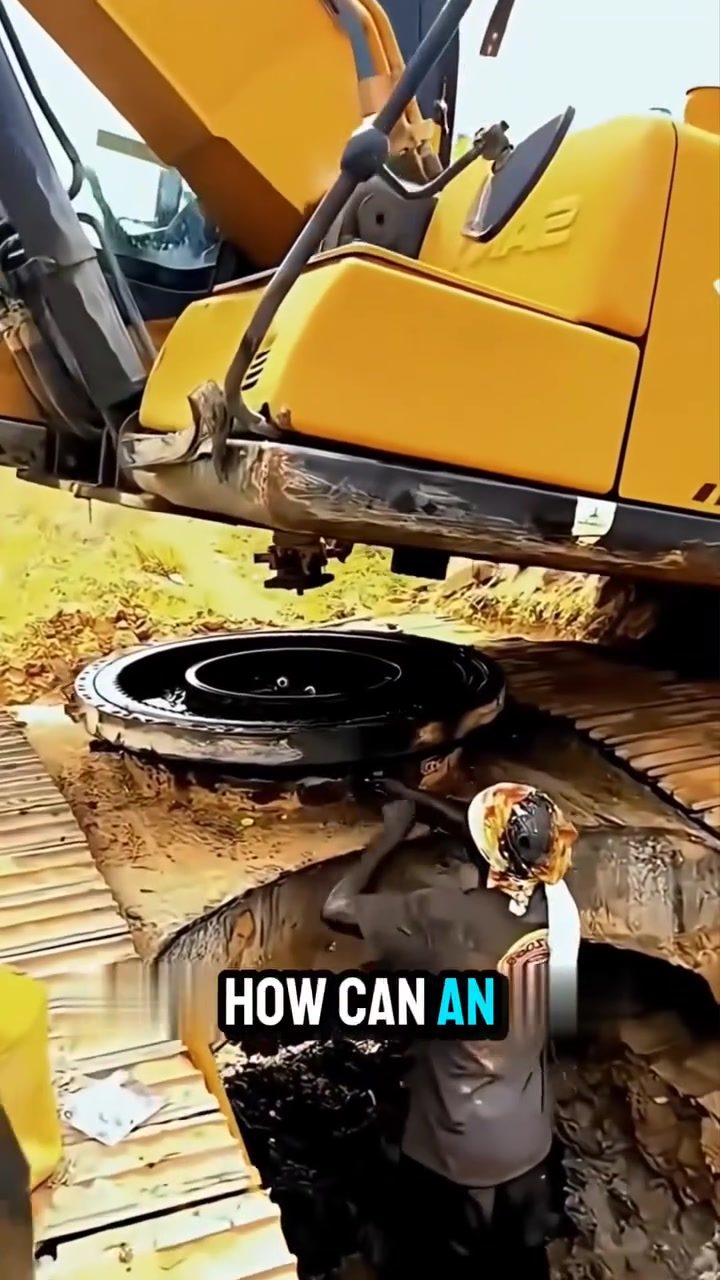
Excavator Slew Bearings: The Unseen Heroes in Heavy Machinery
Excavators are powerhouses of construction sites, capable of moving huge amounts of earth and materials with ease. But have you ever wondered how these massive machines can rotate smoothly on their own axis? The answer lies in a critical yet often overlooked component: the slew bearing.
Why This Matters
Imagine an excavator weighing dozens of tons. The sheer scale of these machines makes it difficult to envision how they can pivot smoothly without a central pivot or shaft. This is where the slew bearing comes into play. Understanding the role and maintenance of slew bearings is crucial for anyone involved in heavy machinery, from operators to maintenance technicians.
The Slewing Bearing in Detail
The Mechanics of Slewing Bearings
Instead of relying on a massive central shaft, excavators utilize a slewing bearing to rotate smoothly. This bearing consists of hundreds of hardened steel balls that roll along a circular raceway. This design allows the excavator's entire upper body to rotate effortlessly while carrying enormous weight. The smooth rotation is essential for the machine's functionality, as it enables precise movements and maneuvering.
The Importance of Proper Maintenance
A malfunctioning slewing bearing can cause significant issues. A damaged or worn-out bearing can make the machine shake and produce loud clicking noises with every turn. This not only affects the machine's performance but also indicates a potential safety hazard. Regular maintenance and timely replacements of slew bearings are essential to ensure the machine's longevity and reliability.
The Repair Process
When a slew bearing needs to be replaced or repaired, the process involves several steps. Technicians first remove the entire slew bearing, clean away years of accumulated grease and dirt, and then take out the worn steel balls. The raceway is inspected for any signs of damage, and new steel balls and spacers are carefully installed. Finally, fresh grease is added, and the bearing is sealed.
Completing the Repair
For an excavator's slewing bearing replacement to be considered complete, it must spin perfectly smoothly. This ensures that the joint replacement is truly finished and that the machine will perform optimally. The importance of this final step cannot be overstated, as it directly impacts the excavator's lifespan and efficiency.
Practical Tips for Slewing Bearing Maintenance
Regular Inspections
Regular inspections of the slewing bearing can help identify issues before they become major problems. Operators and maintenance personnel should check for any signs of wear, such as unusual noises, vibrations, or leaks.
Proper Lubrication
Ensuring that the slew bearing is adequately lubricated is crucial. The use of high-quality grease can help extend the lifespan of the bearing and reduce the risk of premature failure. Regular greasing schedules should be followed to maintain optimal performance.
Safe Handling
When removing and replacing the slew bearing, it is essential to handle it carefully. The bearing is a critical component, and any damage during the process can lead to costly repairs and downtime. Proper lifting and support equipment should be used to prevent any accidents or mishaps.
Important Takeaways
The slewing bearing is a crucial component in the operation of excavators, enabling smooth rotation and supporting the entire upper body of the machine. Regular maintenance, including inspections, proper lubrication, and careful handling, is essential to ensure the bearing's longevity. By understanding the importance of slewing bearings and taking the necessary steps to maintain them, operators and technicians can extend the lifespan of their machinery and ensure optimal performance.
Conclusion
The slewing bearing is the unsung hero of excavators, allowing these massive machines to rotate smoothly and carry enormous loads. Proper maintenance and timely replacements are crucial to ensure the machine's longevity and reliability. Whether you're an operator, a technician, or someone interested in heavy machinery, understanding the role and maintenance of slew bearings is essential for keeping excavators in top condition.
Watch the Reel
Questions readers ask
What are excavator slew bearings and why are they important?
Excavator slew bearings are large, circular components that enable excavators to rotate smoothly on their own axis. They are crucial for heavy machinery as they support the entire weight of the excavator's upper body, allowing for precise and efficient operation. Without slew bearings, excavators would struggle to pivot, significantly impeding their functionality.
What makes up the slew bearing in the excavator?
Slew bearings are composed of hardened steel balls that roll along a circular raceway, which is a hardened steel track. This design allows for smooth and controlled rotation of the excavator. These components are the crucial parts enabling the excavator to pivot.
Why is it essential to regularly maintain excavator slew bearings?
Regular maintenance of excavator slew bearings is vital for ensuring the longevity and efficiency of the machinery. This involves checking the grease levels, inspecting the bearings for any signs of wear or damage, and replacing them when necessary. Proper maintenance minimizes downtime, prevents costly repairs, and ensures the safety of the operators.
How often should I replace the excavator slew bearings?
The replacement timeline for excavator slew bearings can vary depending on usage and maintenance. However, it is generally recommended to inspect them annually. If you notice increased play, unusual noises, or visible wear during inspections, it might be time for a replacement. Always refer to the manufacturer’s guidelines for specific recommendations.
How can I properly grease the slew bearings in my excavator?
To properly grease the slew bearings, first, ensure the excavator is on a flat surface and the slew bearing is accessible. Locate the grease fittings, typically found on the outer ring of the bearing, and use a grease gun to apply a high-quality, heavy-duty grease specifically designed for heavy machinery. Apply grease in a steady stream until you see fresh grease coming out, ensuring that the bearing is well-lubricated.
How do I know if my excavator slew bearing needs to be replaced?
Signs that your excavator slew bearing needs replacement include increased resistance or difficulty in turning, unusual grinding or squeaking noises, visible damage or excessive wear, and leakage of grease. If you observe any of these issues, it is best to consult a professional to assess the condition and determine if a replacement is necessary. Regular inspections can help catch these issues early and prevent sudden failures.
Recent articles
Fresh deep dives from the latest Reels we unpacked.




Comments
Be the first to comment.