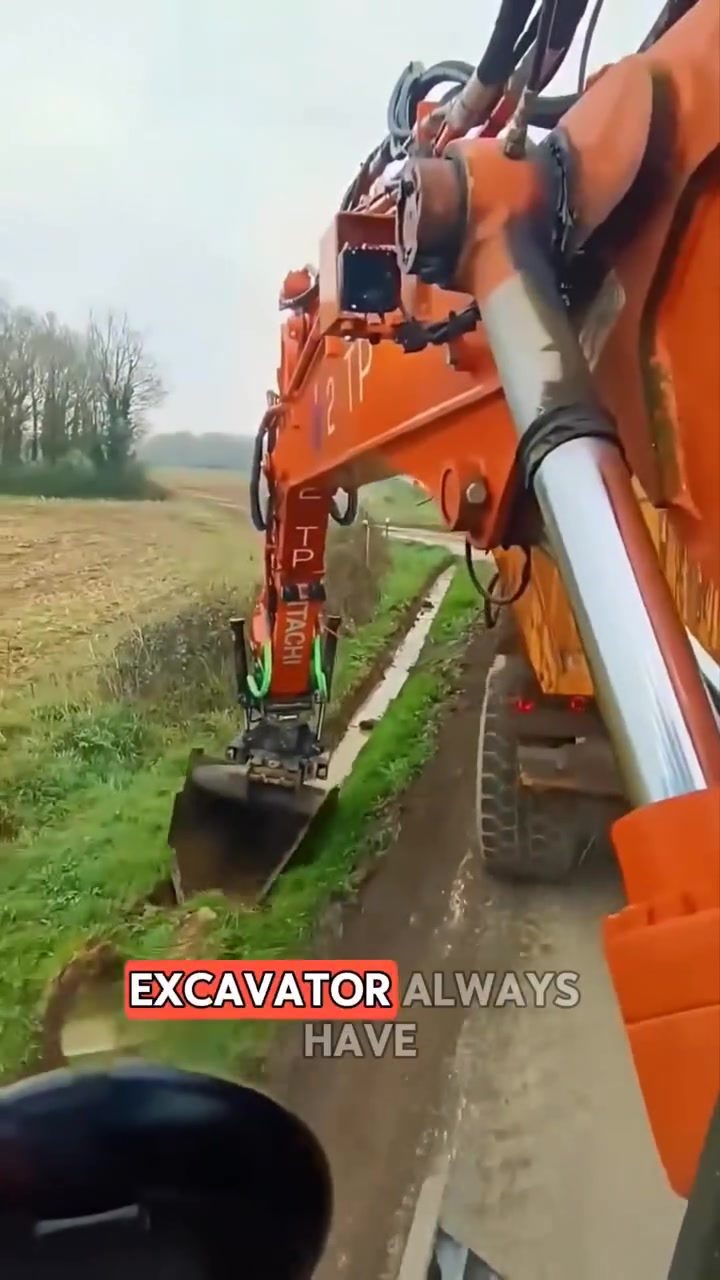
Excavator Efficiency: The Power of Synchronized Operations
Excavators are essential in construction and road maintenance, known for their immense power and versatility. However, their efficiency can be significantly enhanced through strategic coordination with other equipment, specifically trucks. This synchronization is not just about moving dirt; it's about optimizing every movement to save time and resources.
Why Synchronization Matters
The primary reason for having a truck closely follow an excavator is efficiency. This coordination is a meticulously planned system aimed at maximizing productivity while ensuring that the job runs smoothly and traffic flow is maintained.
During road maintenance, the process typically begins with clearing away weeds and loose soil to expose the drainage ditch. This step is crucial as it prepares the area for the next phase of the operation. Following this, a specialized ditch-cleaning attachment is used to remove mud and debris from inside the ditch. This attachment is designed to handle the specific challenges of cleaning out ditches, ensuring that the excavation process is thorough and effective.
The Role of the Truck
As the excavator works, the truck moves alongside it in perfect sync. Every scoop of debris is loaded directly into the truck, eliminating the need to dump material on the ground or move it twice. This direct loading significantly reduces the number of movements the excavator has to make, keeping it in the ideal working position. By staying in this position, the excavator can operate more efficiently, reducing unnecessary movements and saving valuable time throughout the day.
This synchronized operation has several key advantages:
-
Reduced Turnaround Time: The excavator does not have to constantly turn around to dump debris, which saves time and fuel.
-
Efficient Debris Management: Direct loading into the truck ensures that debris is managed efficiently, reducing the risk of spilled materials and the need for additional cleanup.
-
Streamlined Workflow: The synchronized movement creates a streamlined workflow, where each piece of equipment plays a specific role in the overall operation, ensuring that the job is completed smoothly and efficiently.
Practical Tips for Optimizing Excavator Operations
To achieve this level of efficiency, several practical tips can be followed:
-
Communicate Effectively: Clear communication between the excavator operator and the truck driver is essential. This ensures that both operators are in sync and can anticipate each other's movements.
-
Plan the Job Thoroughly: Before starting the operation, plan the route and the sequence of tasks. This planning helps in minimizing unnecessary movements and ensures that the job is completed efficiently.
-
Use the Right Attachments: Utilizing specialized attachments for specific tasks, such as ditch cleaning, can significantly enhance the efficiency of the operation. Ensure that the attachments are well-maintained and suitable for the job at hand.
Important Takeaways
-
Efficiency Through Synchronization: The coordination between the excavator and the truck is a critical factor in achieving operational efficiency. This synchronization reduces unnecessary movements and saves time.
-
Specialized Equipment: Using the right attachments and equipment for the job can enhance the overall efficiency and effectiveness of the operation.
-
Clear Communication: Effective communication between operators is key to maintaining a streamlined and efficient workflow.
Conclusion
Excavator operations, when coordinated with other equipment, can significantly enhance productivity and efficiency. By synchronizing the movements of the excavator and the truck, and by using specialized equipment, the overall efficiency of the job can be greatly improved. This not only saves time and resources but also ensures that the job is completed smoothly and effectively. Whether it's road maintenance or any other construction task, these strategies can be applied to achieve better results in less time.
Watch the Reel
Questions readers ask
How does truck coordination improve excavator efficiency?
By keeping trucks close to the working position of the excavator, it minimizes the time the excavator spends waiting and moving to a new position. This helps keep the excavator in its ideal working position, essentially maximizing productivity and reducing turnaround time.
What is the best way to manage debris during road maintenance?
Effective debris management in road maintenance involves having a truck closely follow the excavator, thus removing debris promptly and ensuring continuous operation. This prevents long pauses and keeps the excavator in its best working position.
Why is it important to synchronize excavators and trucks in construction?
Synchronization is crucial to optimize every movement in the construction process. It ensures that the excavator can work at maximum capacity, minimizing idle time and making the most of resources. This results in improved overall productivity and reduced operational costs.
What are the benefits of using trucks with excavators in construction?
Using trucks in tandem with excavators in construction helps to manage debris swiftly, keeping the site clear and the excavator operational. This coordination reduces the excavator's downtime and enhances the overall efficiency of the construction process.
How can coordination between excavators and trucks help in road maintenance?
Excavator efficiency tips include keeping the excavator in its best working position and minimizing the time spent moving. This is achieved by having trucks closely follow the excavator, which ensures that debris is removed promptly and traffic flow is maintained, ultimately enhancing productivity in the field.
What are some tricks to enhance excavator efficiency on a daily basis?
Maintaining a steady flow of trucks for debris removal is a key trick. Proper coordination ensures that the excavator remains in its ideal working position, reducing unnecessary movement and enhancing daily debris management. This results in faster completion of tasks, such as clearing ditches, and improved overall productivity.
Recent articles
Fresh deep dives from the latest Reels we unpacked.




Comments
Be the first to comment.