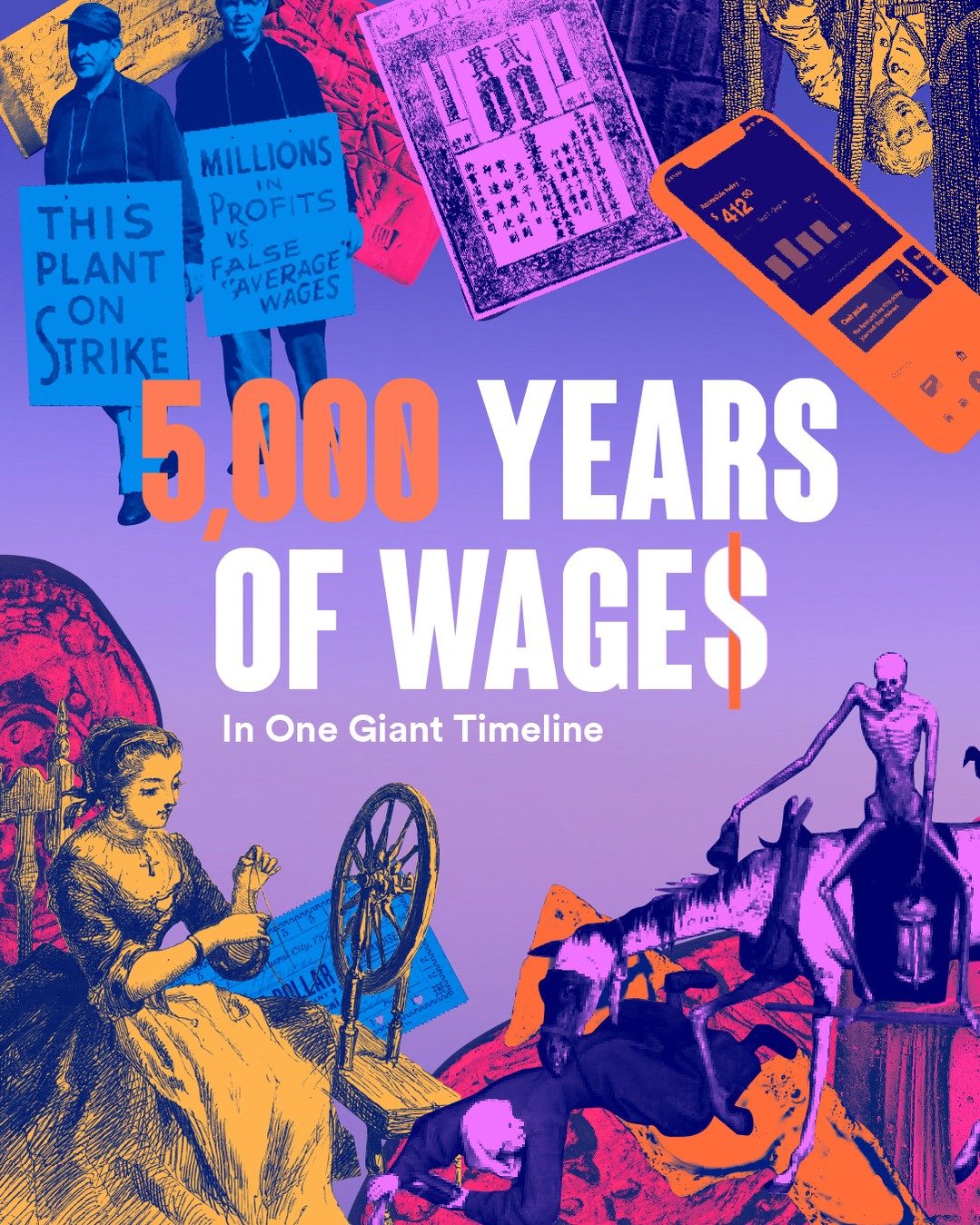
The Evolution of Wages: From Ancient Rations to Modern Payroll and Beyond
The history of wages spans thousands of years, evolving from simple rations to complex payroll systems. This journey reflects broader societal changes, technological advancements, and economic transformations. Let's explore the significant milestones in the evolution of wages and understand what the future might hold, particularly with the advent of earned wage access.
Why This Matters
Understanding the history of wages provides valuable context for modern financial practices. It helps us appreciate how wage systems have adapted to meet the needs of different eras and how they continue to evolve today. This knowledge is crucial for employees, employers, and policymakers alike, as it offers insights into the mechanisms that drive economic behavior and labor practices.
The History of Wages
Ancient Civilizations
In ancient times, wages were often paid in kind, such as food, clothing, or other essential goods. The Code of Hammurabi, one of the earliest known sets of laws, included provisions for wages paid in rations. This system was practical for societies where currency was not yet widely used and where the primary focus was on survival and subsistence.
Middle Ages to Renaissance
The Middle Ages saw a shift towards more standardized forms of payment. Byzantine officials, for instance, were paid in gold coins, marking a transition from barter to more recognizable forms of currency. The emergence of paper money in China during the Tang Dynasty further revolutionized the concept of wages, making transactions more convenient and scalable.
The Impact of the Black Death
The Black Death in the mid-14th century had a profound impact on wage systems. The plague led to significant labor shortages, driving up wages as surviving workers demanded more for their services. This period also saw the rise of guilds and unions, which played a crucial role in regulating wages and working conditions.
The Industrial Revolution
The Industrial Revolution brought about massive changes in wage systems. The advent of factories and mass production required a more organized and standardized approach to paying workers. Biweekly payroll became a norm, ensuring that workers received regular income. This period also saw the introduction of payroll cards and other modern payment methods, streamlining the process and reducing the risk of theft or loss.
Earned Wage Access: The Next Step
The latest evolution in wage systems is earned wage access (EWA), a solution that allows employees to access their earned wages before payday. This concept is gaining traction as a way to help workers manage their finances more effectively, especially in an era of increasing financial instability.
How Earned Wage Access Works
Earned wage access services, like Payactiv, enable workers to access a portion of their earned wages at any time. This is particularly useful for employees who face unexpected expenses or need to manage cash flow between pay periods. By providing immediate access to earned wages, these services help reduce financial stress and improve overall well-being.
Benefits of Earned Wage Access
- Financial Stability: EWA provides a safety net for workers, allowing them to cover immediate needs without relying on high-interest loans or credit cards.
- Employee Satisfaction: By offering EWA, employers can improve job satisfaction and retention rates. Employees appreciate the flexibility and support it provides.
- Efficiency: EWA systems are often integrated with existing payroll systems, making them easy to implement and manage. This integration ensures accuracy and compliance with labor laws.
Implementing Earned Wage Access
For employers considering EWA, it's essential to choose a reliable provider like Payactiv. This service offers a range of features, including instant transfers, budgeting tools, and financial wellness resources. By partnering with a trusted provider, employers can ensure a smooth implementation process and provide valuable support to their employees.
Practical Tips for Employers
Assess Employee Needs
Before implementing an EWA program, assess the specific needs and challenges faced by your employees. Understand their financial situations and how EWA can address their concerns.
Choose the Right Provider
Select a reputable provider with a proven track record. Ensure that the service integrates seamlessly with your existing payroll system and offers comprehensive support.
Communicate Clearly
Communicate the benefits and features of the EWA program to your employees. Provide clear instructions on how to access the service and address any questions or concerns they may have.
Important Takeaways
- Historical Context: Wage systems have evolved significantly, reflecting societal changes and economic needs.
- EWA as a Modern Solution: Earned wage access is a crucial innovation that addresses modern financial challenges.
- Benefits for Employers and Employees: EWA improves financial stability, job satisfaction, and operational efficiency.
Conclusion
The history of wages is a fascinating journey that mirrors the broader evolution of human society. From ancient rations to modern payroll practices, each era has optimized pay systems to meet the needs of its time. With the advent of earned wage access, we are witnessing the next significant step in this journey. By understanding and embracing this evolution, employers and employees can work together to create a more stable and supportive financial future.
Watch the Reel
Questions readers ask
What were some of the earliest forms of wages?
The earliest forms of wages were often in the form of rations or goods, rather than currency. In ancient civilizations like Egypt and Rome, workers were sometimes paid with food, shelter, or other essential items. This system was practical in agrarian societies where currency was not yet widespread.
When did standardized currency become the norm for wages?
Standardized currency began to replace barter systems and rations around the 7th century BC. The first coins were minted in Lydia (present-day Turkey), and this innovation spread to other civilizations, making it easier to transact and standardize wages.
How did the Industrial Revolution impact wage systems?
The Industrial Revolution brought significant changes to wage systems. It led to the emergence of factories and mass production, creating a need for standardized payroll systems. Workers began to receive fixed wages, often paid weekly, which allowed for more predictable earnings.
What is earned wage access, and how does it relate to modern payroll systems?
Earned wage access is a financial service that allows employees to access their earned wages before the scheduled payday. It is a modern innovation that leverages technology to provide more flexibility in wage payment, addressing immediate financial needs without relying on traditional loans.
How have technological advancements influenced wage payment methods?
Technological advancements have greatly influenced wage payment methods. Direct deposit, online banking, and mobile payment apps have made transactions more efficient and convenient. These innovations have also enabled features like earned wage access, providing employees with greater control over their finances.
What are some key trends in wage evolution over the past century?
Over the past century, wage evolution has seen a shift towards more frequent and automated payments, moving from weekly to bi-weekly or monthly pay cycles. There has also been an increase in transparency and compliance with labor laws, ensuring fair wages and benefits for employees, particularly in response to economic and social changes.
Related deep dives
Similar reads based on topic and creator.


Recent articles
Fresh deep dives from the latest Reels we unpacked.




Comments
Be the first to comment.