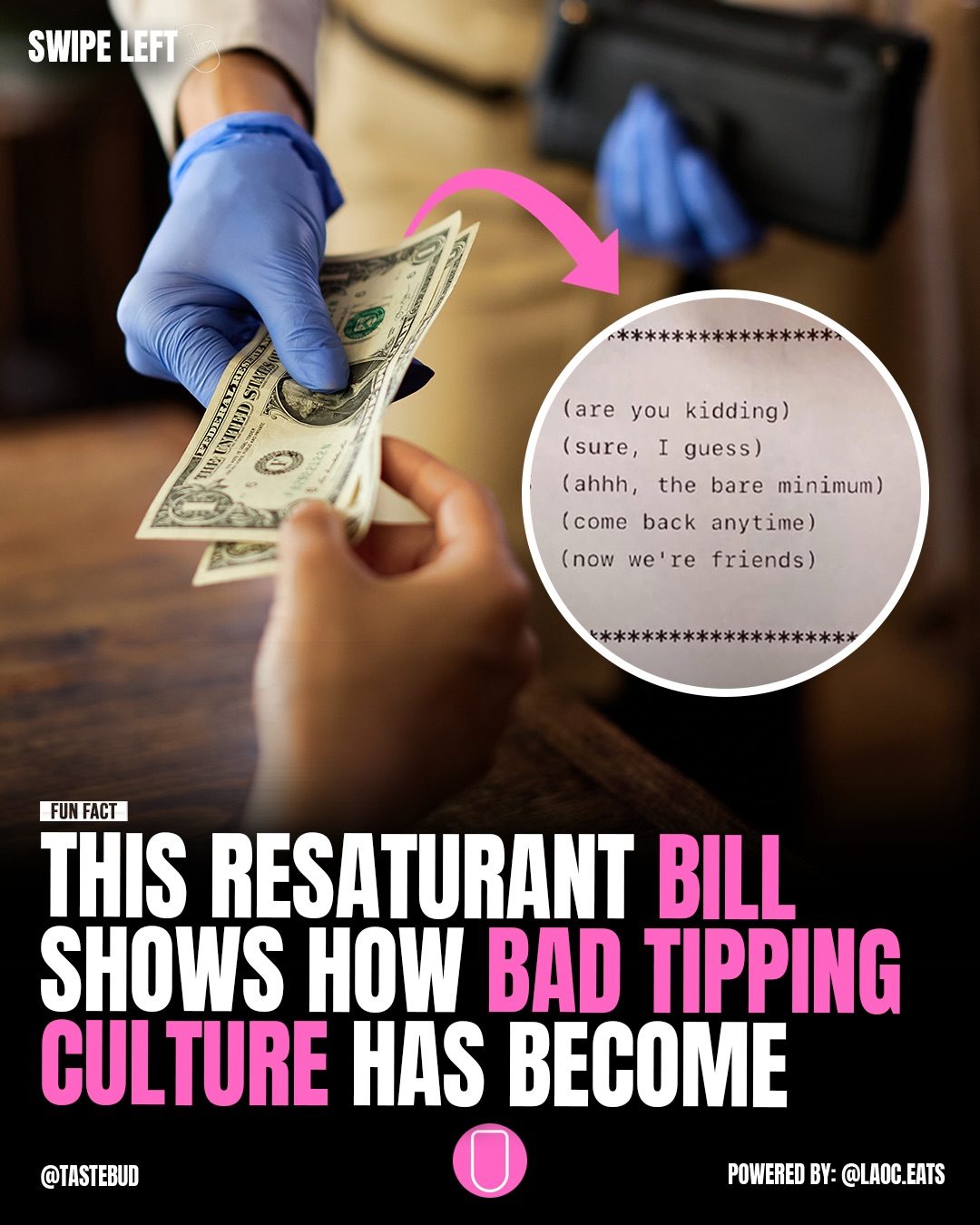
Tipping in the United States has gradually increased over the years, with many receipts now suggesting tips between 20 percent and 30 percent. This shift from the historical average of 15 percent has sparked debate about whether tipping is still a reward for good service or an expected surcharge.
Context / Why this matters
The evolution of tipping culture reflects broader changes in the dining and service industry. As payment systems become more sophisticated, they often default to higher tip suggestions, influencing customer behavior. Understanding this trend is crucial for both consumers and service industry professionals to navigate expectations and maintain a fair system.
Main discussion
Historical Perspective
Tipping has deep historical roots, originating in European aristocracy and later popularized in the United States after the American Civil War. The original concept was to reward exceptional service, with tips being a discretionary bonus. The standard tip amount was traditionally set at 15 percent, which was seen as a gesture of appreciation rather than an obligation. This practice was widely accepted and has been ingrained in the culture for decades.
Modern Tipping Expectations
In today's dining culture, tipping expectations are beginning to climb higher. Many modern payment systems automatically suggest tip amounts between 20 percent and 30 percent. This trend can be observed in various industries, not just in restaurants. For instance, ride-sharing apps, delivery services, and even mobile payment platforms often prompt users to tip. This increase has shifted tipping from a voluntary act to a perceived expectation, leading some to question whether it still serves as a reward for service or has become an additional charge.
The Impact on Service Workers
The increase in suggested tipping has a significant impact on service workers. For many, tips are a substantial part of their income, and higher tips can improve their earnings. However, this also creates a pressure to meet the higher expectations, potentially affecting the quality of service. Some argue that this pushes workers to prioritize customer satisfaction in a way that might not align with genuine service quality.
Consumer Perspective
For consumers, the shift in tipping culture means making decisions about how to allocate their money. The trend raises questions about fairness. Is it fair to tip more for service that hasn't necessarily improved? Are customers being pressured to pay more than necessary? These questions can lead to uncomfortable situations where customers feel obligated to tip higher to avoid social discomfort.
The Rise of Suggested Tipping
The visual elements of the content highlight the increasing pressure to tip higher by showing a restaurant bill with progressively increasing tip percentages and corresponding dollar amounts. The bill starts with a 15% tip, marked as "are you kidding," and escalates to a 30% tip, labeled as "now we're friends." This progression underscores the growing expectation and the financial impact of higher tipping.
The Debate
The heart of the debate lies in whether tipping should be a reward for exceptional service or a mandatory fee. Some believe that tipping should remain a voluntary action, rewarding outstanding service. Others argue that the current system, with its high suggested tip amounts, is unfair to both customers and workers. The shift towards higher tips can lead to a sense of obligation, diminishing the discretionary nature of tipping.
Practical tips
For Consumers
-
Understand the Context: Recognize that tips are often a significant part of a service worker's income, especially in industries where base pay is low. However, this does not mean you should always tip the suggested amount. You have the right to decide based on the quality of service.
-
Consider the Service: Evaluate the service you received and decide on the tip amount accordingly. If the service was exceptional, consider tipping more. However, if the service was lackluster, it is fair to adjust the tip amount accordingly.
-
Avoid Pressure: Remember that you are not obligated to follow the suggested tip amount. Make a decision based on your experience and budget, not out of pressure.
For Service Workers
-
Maintain Quality: Focus on providing exceptional service. This is your best chance to earn higher tips based on merit rather than expectation.
-
Communicate with Customers: Engage with customers and make them feel valued. An engaged and friendly demeanor can enhance the dining experience, making customers more inclined to tip well.
-
Seek Clarity: If there's confusion about the service or the bill, communicate with the customer. Clarity can prevent misunderstandings and ensure that customers understand the value of the service.
For Businesses
-
Set Clear Expectations: Establish a policy on tipping that is clear to both customers and employees. This can reduce confusion and ensure that both parties are on the same page.
-
Train Employees: Ensure that employees are well-trained and focused on providing excellent service. This can help in building customer loyalty and earning tips based on merit.
-
Review Payment Systems: If you are using a payment system that suggests higher tips, consider the impact on your customers and adjust accordingly. Ensure that the system aligns with your overall business strategy and customer experience.
Important takeaways
-
Tipping Culture has Evolved: The historical average of 15% has increased to 20% or 30%, reflecting a shift in customer expectations and payment systems.
-
Consumer Pressure: Customers feel increasing pressure to tip more, which can lead to discomfort and financial strain.
-
Service Worker Impact: Higher tipping expectations can impact service workers, who may feel pressured to deliver exceptional service to meet higher expectations.
-
Debates Continues: The debate around tipping continues, with differing perspectives on whether it should be a reward for service or an expected surcharge.
Conclusion
The increasing trend of tipping in the United States has brought about a significant shift in the service industry. As payment systems and consumer expectations evolve, it is essential to consider the impact on both customers and service workers. Navigating this trend requires a balanced approach, understanding that tipping should reward exceptional service while also being mindful of the financial implications. Whether you're a consumer, service worker, or business owner, understanding the nuances of tipping culture can help create a fair and rewarding system for everyone involved.
Watch the Reel
Questions readers ask
Why has the standard tipping percentage in the U.S. increased from 15% to 20-30%?
The increase in tipping percentages can be attributed to several factors, including the rise of digital payment systems that often suggest higher tip amounts, changes in service industry economics, and shifting consumer expectations. These factors have collectively contributed to the evolution of tipping customs in the U.S.
Is it still appropriate to tip 15% for good service, or is 20-30% now the norm?
While 15% is still a reasonable amount in some situations, many consumers and service industry professionals now expect tips in the 20-30% range. This shift reflects the increased cost of living and operating expenses for service providers.
How do digital payment systems influence tipping behavior?
Digital payment systems often default to higher tip suggestions, which can nudge customers to tip more than they might have otherwise. These systems can also make it easier for customers to add a tip, leading to more frequent and higher tipping; this is why it is important to pay attention to the default settings
What is the difference between a service charge and a tip, and how does this affect tipping etiquette?
A service charge is a mandatory fee added to the bill to cover service costs, while a tip is a voluntary gratuity for good service. Understanding this difference is crucial for customers to decide how much to tip in 2023 and beyond, especially in restaurants and other service industry settings.
Why do some restaurants include a service charge instead of relying on customer tips?
Some restaurants include a service charge to ensure that all staff members, including those who do not typically receive tips, are compensated fairly. This approach helps to distribute earnings more equitably and can simplify the tipping process for customers.
Related deep dives
Similar reads based on topic and creator.




Recent articles
Fresh deep dives from the latest Reels we unpacked.




Comments
Be the first to comment.