The Evolution of McDonald's Play Places
From the bustling fast-food chains to the playgrounds that have been a staple in many children's lives, McDonald's play places have always been more than just a distraction for kids. They are an iconic part of the dining experience, and their transformation over the years reflects broader changes in design, safety standards, and playtime expectations.
Context / Why This Matters
As family dining habits and expectations have evolved, so have the play places in restaurants. Understanding how these areas have changed can help parents navigate options and even inspire their own playtime spaces at home.
Main Discussion
McDonald's Play Places: Past vs. Present
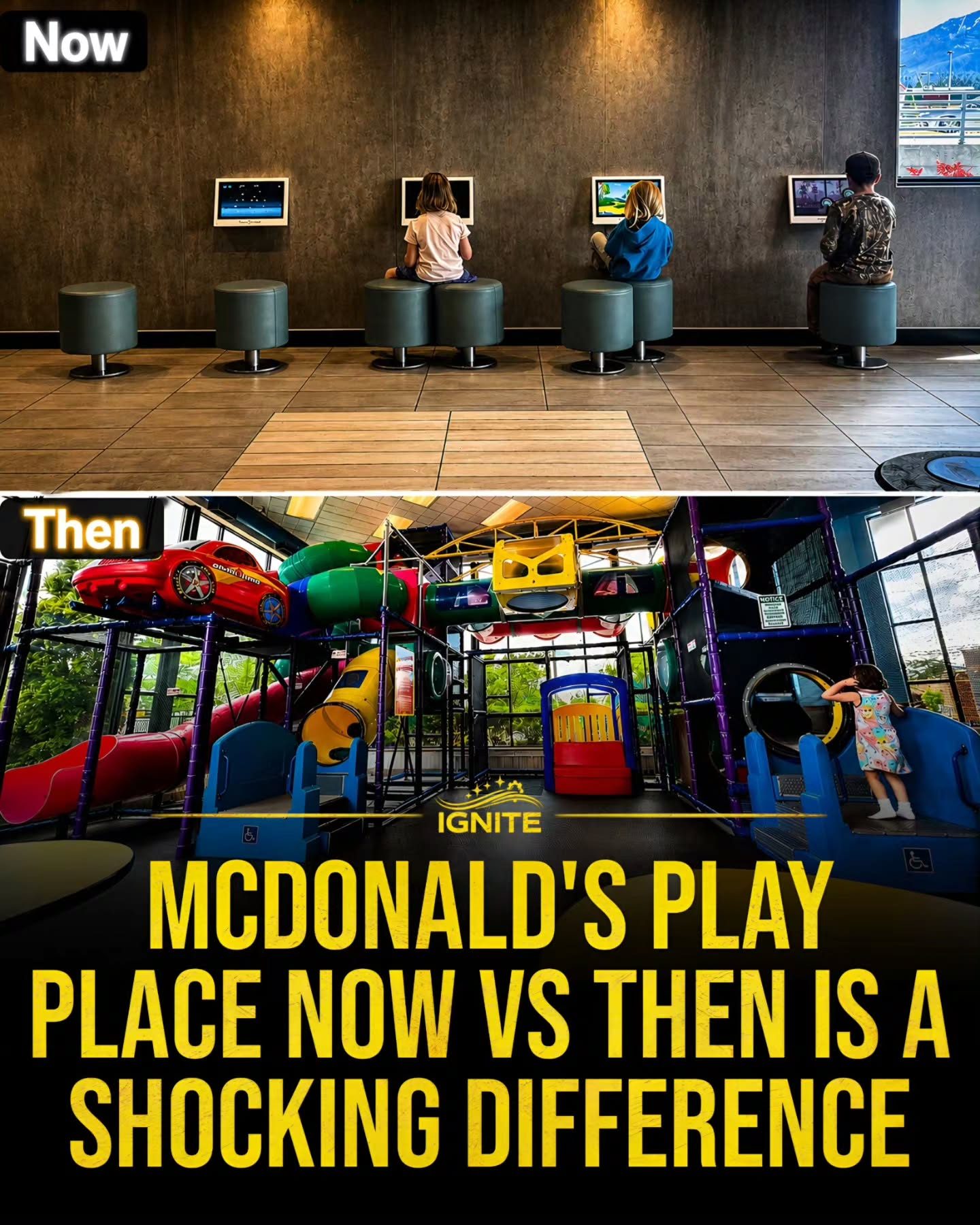
Comparing the play places of the past and present reveals a significant change in design philosophy. The "Then" play area featured a complex, multi-level structure with bright colors, various slides, and climbing elements. This intricate design was meant to provide hours of entertainment, with multiple activities to keep kids engaged and active.
The "Now" play area, on the other hand, showcases a more modern, minimalist design. With gray seating and a smaller climbing structure, the new playground focuses on simplicity and functionality, aiming to provide a safer and more streamlined play experience. The vibrant, colorful elements of the past have been toned down, replaced by a more neutral color palette and simpler designs.
Factors Driving the Transformation
Several factors have influenced the transformation of McDonald's play places:
Safety Standards
One of the most critical factors is the evolution of safety standards. Modern play areas must adhere to stricter regulations to ensure the safety of children. As a result, the design of these places has shifted towards simpler, more durable structures that are easier to maintain and less prone to hazards.
Changing Playtime Expectations
Over the years, the way children engage with play areas has changed. Today, many parents prefer more structured, educational play experiences, which has influenced the design of modern play areas. These areas now often include elements that promote learning and cognitive development, rather than just physical activity.
Material and Design Trends
The materials and design trends used in playgrounds have also evolved. Modern play areas often feature more eco-friendly and durable materials, such as recycled plastics and sustainable wood. These materials not only contribute to environmental conservation but also ensure that the play areas are more resilient and require less maintenance.
Space and Accessibility
Another significant factor is the need for more efficient use of space. With space at a premium in many modern restaurants, designers have had to rethink how to maximize play areas within limited square footage. The result is a shift towards more compact, yet functional, play structures.
Key Design Differences
Complexity and Features
The most noticeable difference between the past and present play areas is the complexity of the structures. The "Then" play place featured elaborate designs with multiple levels, slides, and climbing elements. In contrast, the "Now" play area emphasizes simplicity, with fewer but more robust features.
Color and Aesthetics
The color palette and overall aesthetics of the play areas have also changed. While the past play areas were vibrant and colorful, the modern areas favor a more subdued, neutral color scheme. This shift is part of a broader trend towards minimalist design, which prioritizes functionality and simplicity.
Materials
The materials used in the construction of these play areas have also evolved. Older play areas often featured a mix of plastic, metal, and wood, which could be more susceptible to wear and tear. In contrast, modern play areas are built with more durable, eco-friendly materials that can withstand heavy use and various weather conditions.
Practical Tips for Enhancing Playtime
If you're inspired to create a play area at home or simply want to make the most of the play spaces available to you, here are some practical tips to enhance the playtime experience:
Choose Durable and Safe Materials
When setting up a play area, prioritize materials that are durable and safe for children. Look for play structures made from eco-friendly materials that can withstand heavy use and are easy to clean and maintain.
Incorporate Educational Elements
Incorporate elements that promote learning and cognitive development. This could include puzzles, building blocks, and interactive games that encourage problem-solving and creativity.
Consider Space Efficiency
Make the most of your available space by choosing compact, functional play structures. Opt for designs that can be easily rearranged or stored when not in use, ensuring a versatile and adaptable play area.
Emphasize Safety
Ensure that the play area is safe and free from hazards. Use non-slip surfaces, secure play structures, and soft padding to minimize the risk of injuries. Always follow safety guidelines and regulations for playground equipment.
Involve Children in the Design
Involve children in the design process to create a play area that caters to their interests and preferences. This can make the play space more engaging and enjoyable, fostering a love for play and creativity.
Maintenance and Upkeep
Regular maintenance and upkeep are essential for maintaining a safe and enjoyable play area. Inspect the play structures regularly for signs of wear and tear, and perform necessary repairs or replacements to ensure the play area remains in good condition.
Important Takeaways
The transformation of McDonald's play places reflects broader changes in design, safety standards, and playtime expectations. By understanding these changes, you can make informed decisions about enhancing playtime experiences, whether at home or in public spaces.
Conclusion
Like the evolution of McDonald's play places, the design and functionality of play areas continue to evolve. Whether you're a parent looking to create a safe and engaging play area at home or a designer working on a public playground, it's essential to stay informed about the latest trends and best practices.
By focusing on safety, durability, and educational value, you can create a play area that not only entertains but also enriches the lives of children. So, whether you're reminiscing about the old play places or exploring the modern designs, the journey of play areas is a testament to the ever-changing world of entertainment and learning.
Watch the Reel
Questions readers ask
What were McDonald's play areas like in the past?
In the past, McDonald's play areas were known for their vibrant and complex designs, often featuring a variety of interactive elements. These areas were more intricate and offered a wide range of activities for children, which reflected the playtime expectations of earlier decades.
How have McDonald's play areas changed over time?
McDonald's play areas have evolved to become simpler and safer, with a shift from complex structures to more straightforward, minimalist designs. This change reflects advancements in safety standards and a more streamlined approach to playtime experiences.
What factors have influenced the evolution of McDonald's play areas?
The evolution of McDonald's play areas has been driven by changes in design trends, safety regulations, and societal expectations regarding playtime. These factors have led to a focus on simplicity, safety, and functionality in modern play areas.
What are the key differences between past and present McDonald's play areas?
Past McDonald's play areas were more colorful and intricate, often featuring a mix of slides, climbing structures, and interactive elements. In contrast, present play areas are generally simpler, more minimalist, and prioritize safety with softer materials and less height.
Why did McDonald's change the design of their play areas?
McDonald's changed the design of their play areas to comply with updated safety standards and to better align with current playtime expectations. The shift to simpler, safer structures ensures a more secure and enjoyable experience for children.
When were the first McDonald's play areas introduced?
The first McDonald's play areas were introduced in the 1970s, marking a significant addition to the family dining experience. These early play areas were designed to keep children entertained while parents enjoyed their meals, helping to create a welcoming atmosphere for families.
How has the seating in McDonald's play areas changed over the years?
The seating in McDonald's play areas has evolved to become more comfortable and parent-friendly. Initially, seating was often limited and integrated with the play structures. Today, seating areas are more distinct, providing a space for parents to relax and supervise their children while they play.
Recent articles
Fresh deep dives from the latest Reels we unpacked.




Comments
Be the first to comment.