Electromagnetic Induction Heating
Electromagnetic induction heating is a technology that has revolutionized the way we cook and manufacture. This method leverages the principles of electromagnetic induction to generate heat directly within conductive materials, eliminating the need for traditional heating elements. The process harnesses the power of alternating electric currents to create rapidly changing magnetic fields, which induce eddy currents in the cookware, resulting in efficient and precise heating.
Why This Matters
Understanding electromagnetic induction heating is crucial for anyone interested in modern kitchen technology, industrial processes, and energy efficiency. Induction cooktops, for instance, offer several advantages over traditional gas or electric stoves, including faster heating times, precise temperature control, and improved energy efficiency. These benefits make induction heating a popular choice for both home cooks and industrial applications.
The Evolution of Induction Heating
The Discovery of Electromagnetic Induction
The principle of electromagnetic induction was first discovered by Michael Faraday in 1831. Faraday showed that a changing magnetic field could generate an electric current, revealing the fundamental connection between electricity and magnetism. This discovery laid the groundwork for the development of induction heating.
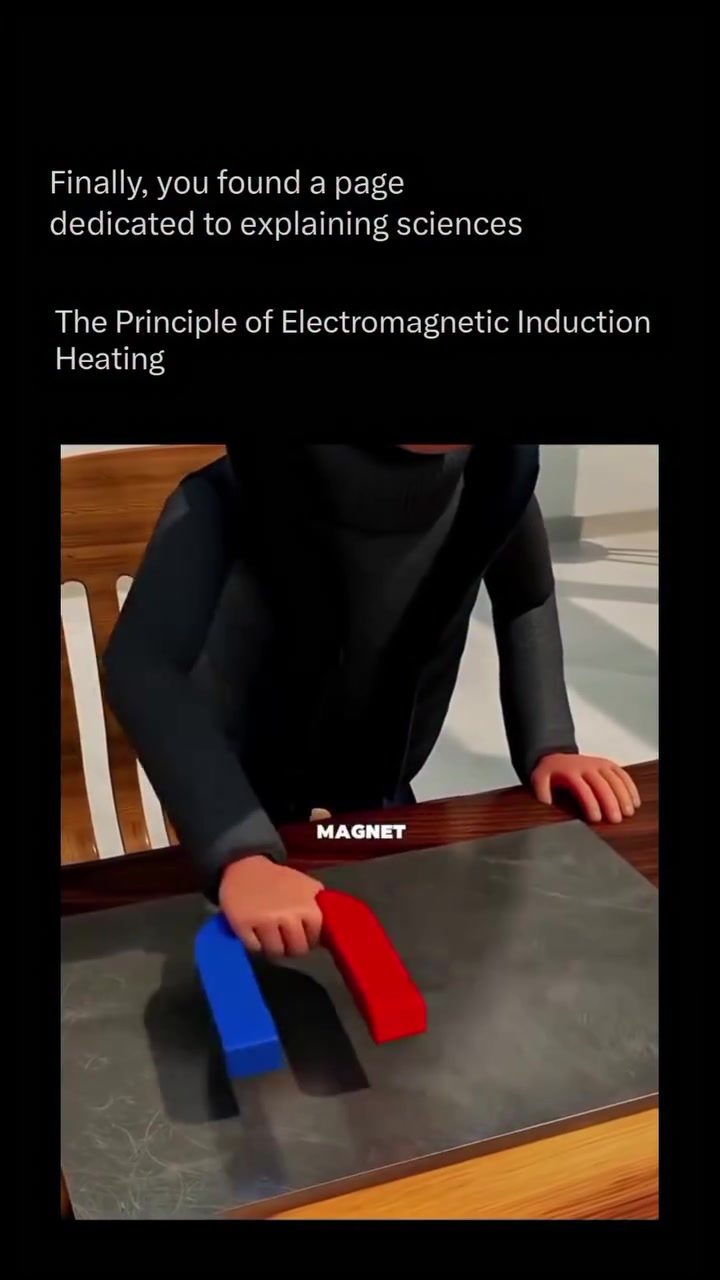
In its most basic form, induction heating involves the use of a magnet and a conductive material. When the magnet is moved rapidly back and forth above a steel plate, the changing magnetic field causes the iron atoms inside the metal to move, generating heat through electrical currents. This principle can be used to heat a cooking pot, but doing so manually is impractical for everyday use. Engineers solved this problem by attaching the magnet to a powerful electric motor and spinning it at high speed. However, this method still had limitations due to the massive wear on the moving parts.
The Breakthrough with Electromagnets
A significant breakthrough came when engineers realized that a stationary electromagnet could be used instead of a moving magnet. By placing a coil of wire beneath the cooking surface and passing electricity through it, an electromagnet was created. However, a stationary electromagnet alone does not generate heat. The real innovation came from rapidly changing the direction of the electric current. Household alternating current (AC) naturally reverses direction about 60 times per second. When AC flows through the coil, the magnetic field constantly flips back and forth, inducing electrical currents in the cookware. This creates the effect of a rapidly moving magnetic field without any mechanical movement.
Overcoming Audible Humming
One challenge with using a 60-hertz frequency is that it falls within the range of human hearing, producing an audible humming noise. To address this issue, engineers increased the operating frequency to tens of thousands of hertz, far beyond the range of human hearing. This higher frequency allows the magnetic field to oscillate tens of thousands of times every second, inducing electrical currents inside the metal cookware silently. These currents generate heat directly in the pot, allowing food to be cooked efficiently without an open flame.
The Modern Induction Cooktop
The modern induction cooktop operates on the principle of electromagnetic induction heating. It generates an alternating magnetic field that induces eddy currents in the cookware, creating heat directly within the pot. This method is highly efficient because it heats the cookware itself rather than the surrounding air, resulting in faster cooking times and lower energy consumption.
Advantages of Induction Cooking
- Energy Efficiency: Induction cooktops are more energy-efficient than traditional gas or electric stoves because they heat the cookware directly, reducing heat loss.
- Precision Control: Induction cooktops offer precise temperature control, allowing cooks to adjust the heat level with great accuracy.
- Safety: Induction cooktops remain cool to the touch unless there is a pot on the surface, reducing the risk of burns and making them safer for households with children.
- Speed: Induction cooktops can boil water faster than traditional stoves, saving time and energy.
- Cleanliness: The smooth surface of an induction cooktop makes it easy to clean, as spills do not burn onto the surface.
Practical Tips for Using Induction Cooktops
Choosing the Right Cookware
Induction cooktops require cookware made of ferrous materials, such as cast iron or stainless steel. Non-ferrous materials like aluminum or copper will not work with induction heating. To test if your cookware is compatible, place a magnet on the bottom of the pot. If the magnet sticks, the cookware is suitable for induction cooking.
Proper Use and Maintenance
- Use Flat-Bottomed Pots: Flat-bottomed pots and pans provide better contact with the cooktop surface, ensuring even heat distribution.
- Avoid Sudden Temperature Changes: Sudden temperature changes can cause thermal shock, which can damage the cookware and the induction surface. Gradually increase and decrease the heat.
- Clean Regularly: Keep the cooktop clean to maintain its efficiency. Use a soft cloth or sponge and a mild cleaning solution to remove any residue.
- Avoid Abrasive Materials: Avoid using abrasive materials or harsh chemicals that can scratch the glass surface of the induction cooktop.
Important Takeaways
Electromagnetic induction heating represents a significant advancement in cooking and industrial technology. By harnessing the power of alternating electric currents and magnetic fields, induction cooktops offer energy efficiency, precision control, and safety.
The Future of Induction Heating
Induction heating is not limited to cooktops. It is also used in electric vehicle charging, modern manufacturing, and various industrial applications. As technology continues to advance, we can expect to see even more innovative uses for induction heating, making it a cornerstone of modern energy solutions.
Conclusion
Electromagnetic induction heating has transformed the way we cook and manufacture, offering numerous benefits over traditional methods. From its humble beginnings to its current applications, induction heating represents a step forward in energy efficiency and technological innovation. Whether you're a home cook or an industrial engineer, understanding the principles of electromagnetic induction heating can help you make the most of this powerful technology.
Watch the Reel
Questions readers ask
How does electromagnetic induction heating work in induction cooktops?
Electromagnetic induction heating in induction cooktops involves generating an alternating electric current that creates a magnetic field. This field induces eddy currents in the ferromagnetic cookware, causing it to heat up directly and efficiently. Unlike traditional heating methods, induction cooktops do not rely on thermal conduction, which makes them faster and more precise.
What are the benefits of using an electric induction cooker over traditional stovetops?
Electric induction cookers offer several advantages. They provide faster and more precise heating, as the cookware itself is heated directly, reducing energy waste. Induction cooktops are also safer because the surface remains cool to the touch when no cookware is present, and they are easier to clean due to the smooth surface with no exposed heating elements.
What kind of cookware is compatible with induction cooking technology?
To be compatible with induction cooktops, cookware must be made of ferromagnetic materials such as cast iron or stainless steel with a magnetic base. Aluminum or copper cookware alone are not suitable, but they can be used if they have a magnetic base or layer.
Why is induction cooking considered more energy-efficient than traditional methods?
Induction cooking is more energy-efficient because it directly heats the cookware, rather than the air around it. This means less energy is lost to the surrounding environment, resulting in faster heating times and reduced energy consumption. Traditional methods, like gas or electric coils, waste energy by heating the entire surface and surrounding area.
How does the design of modern induction cooktops contribute to their advantages?
Modern induction cooktops feature sleek, flat surfaces that provide a more hygienic and easy-to-clean cooking environment. They often include features like touch controls, automatic pan detection, and precise temperature settings, enhancing the cooking experience. Additionally, their compact design allows for better space utilization in kitchens and industrial settings.
Is induction cooking safe for home use and why?
Induction cooking is generally considered safe for home use. The induction cooktop surface remains cool to the touch unless a compatible pot or pan is placed on it, reducing the risk of burns. The technology also eliminates open flames, making it safer than gas stoves. Additionally, induction cooktops automatically turn off when no cookware is detected, adding an extra layer of safety.
Related deep dives
Similar reads based on topic and creator.



Recent articles
Fresh deep dives from the latest Reels we unpacked.

Comments
Be the first to comment.