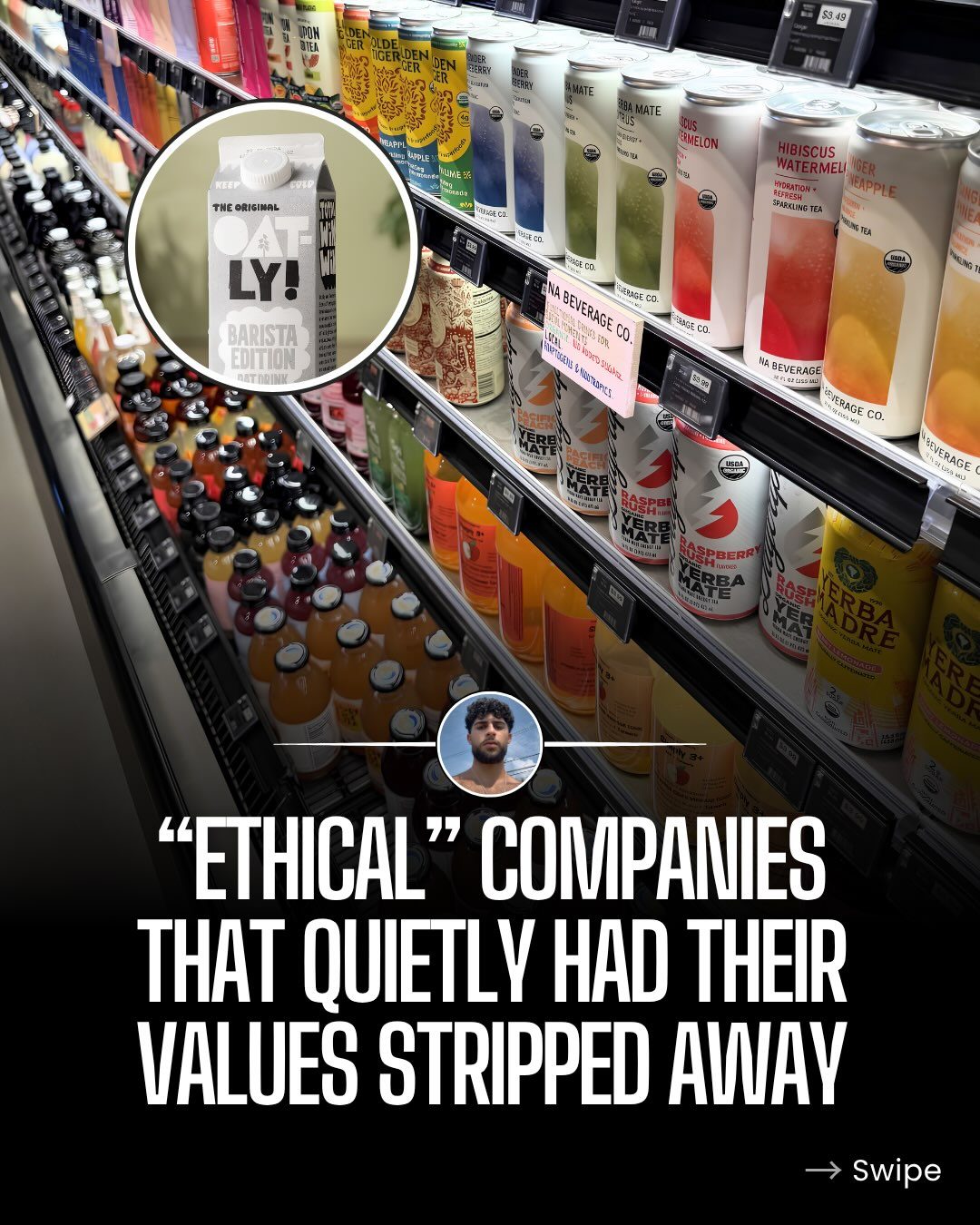
Ethical brands and their evolution
Ethical brands, once celebrated for their values and integrity, are increasingly being absorbed by larger corporations. This trend, as highlighted by various case studies, raises questions about the impact on the original brand values and practices.
How ethical companies are changing
Many ethical companies are changing as they grow. Some transitions are more visible, such as Tom's of Maine selling "natural" toothpaste. It has been accused of deceptive marketing practices, settling a lawsuit for $2.9 million. The incident showcases how brands might alter their marketing strategies to fit larger corporate goals. Tom's of Maine, a brand known for products labelled as "natural," highlights a shift in how ethical claims are marketed and perceived.
Another significant example is Clif Bar. Initially, Clif Bar rejected a $120 million buyout to stay independent and made employees part-owners. However, in 2022, it was sold to Mondelez, a giant in the food industry, for $2.9 billion. This acquisition marks a shift from independent ownership to becoming part of a larger corporate entity. Brands like Clif Bar, once celebrated for their ethical practices, now face scrutiny as they are integrated into larger corporate structures.
The case of Horizon Organic
The story of Horizon Organic is another example of how ethical values can be compromised. Once known for championing sustainable agriculture and supporting small family farms, Horizon Organic was acquired by the conglomerate Danone in 2017. Within five years, Danone terminated contracts with 89 family dairy farms to maximize profits. This shift from focusing on sustainable agriculture to prioritizing corporate profits raises concerns about the long-term impact on ethical practices.
This transition is not unique to Horizon Organic. Many ethical brands face similar challenges when acquired by larger corporations. The values that initially defined these brands are often diluted or completely lost as they are integrated into larger corporate structures. The focus shifts from ethical considerations to maximizing profits, which can lead to a significant change in the brand's practices and values.
Practical tips for ethical consumers
For consumers who prioritize ethical brands, it is essential to stay informed about the companies they support. Here are some practical tips:
-
Research Brand History: Understanding a brand's history can provide insights into its values and practices. Look for transparency in the brand's operations and commitment to ethical standards.
-
Look for Certifications: Certifications such as USDA Organic, Fair Trade, and others can indicate a brand's commitment to ethical practices. These certifications ensure that the brand meets specific standards and adheres to ethical guidelines.
-
Check for Corporate Acquisitions: Be aware of recent acquisitions and changes in ownership. Brands that have been acquired by larger corporations may undergo significant changes in their practices and values.
-
Support Independent Brands: Whenever possible, support independent brands that are committed to ethical practices. These brands are less likely to be influenced by corporate profit-driven strategies.
Important takeaways
The trend of ethical brands being acquired by larger corporations raises significant concerns about the long-term impact on ethical practices and values.
-
Ethical Values May Be Compromised: When ethical brands are acquired, their values and practices may be compromised to align with corporate goals. This can lead to a significant change in the brand's integrity and commitment to ethical standards.
-
Corporate Profits Often Take Priority: Larger corporations often prioritize profits over ethical considerations. This can result in a shift from focusing on sustainable practices to maximizing profits, which can have a negative impact on the environment and communities.
-
Stay Informed and Support Independent Brands: Consumers play a crucial role in supporting ethical brands. By staying informed and choosing to support independent brands, consumers can help ensure that ethical values and practices are maintained.
The future of ethical brands
The future of ethical brands is uncertain as more and more are absorbed by larger corporations. However, there is hope. Ethical consumers and independent brands can work together to ensure that ethical values and practices are maintained. By staying informed, supporting independent brands, and advocating for transparency, consumers can help shape a future where ethical considerations take priority over corporate profits.
Watch the Reel
Recent articles
Fresh deep dives from the latest Reels we unpacked.




Comments
Be the first to comment.