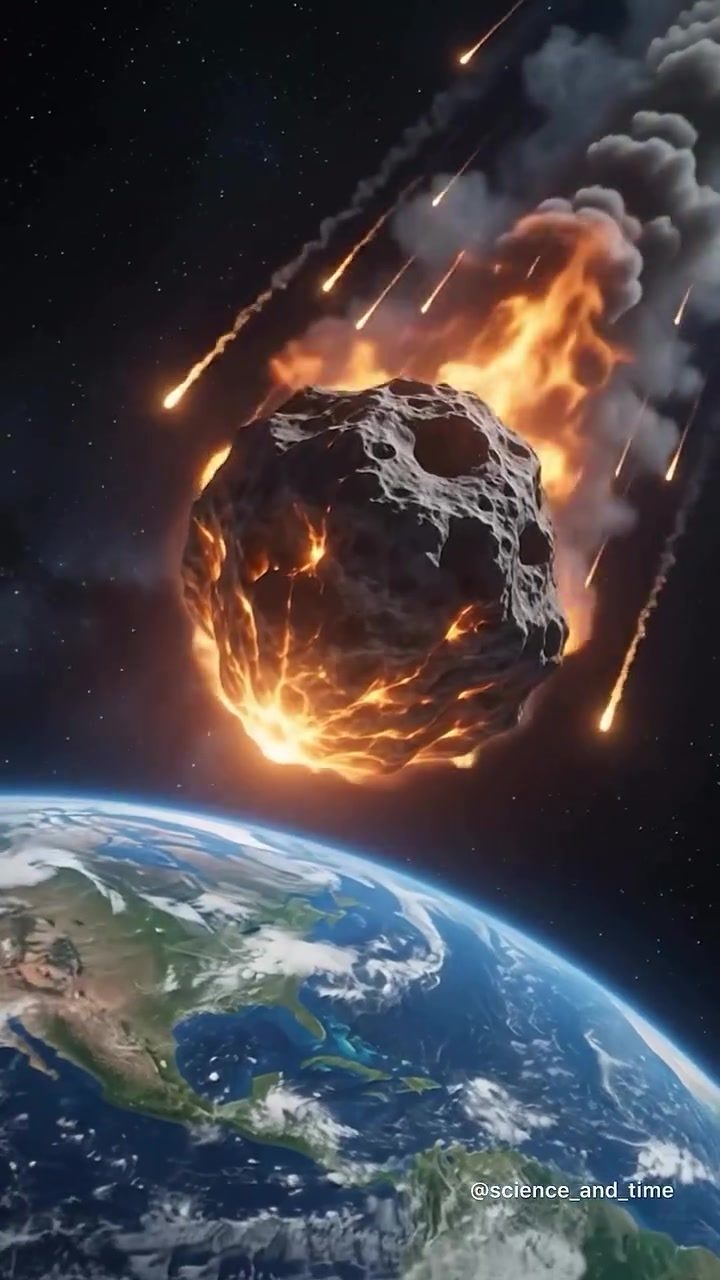
Dinosaurs have captivated human imagination for generations, and the question of what might have happened if they had never gone extinct is a compelling thought experiment. This scenario invites us to explore the potential trajectories of evolution and the profound impact dinosaurs could have had on Earth's ecosystems and the development of life as we know it.
Why This Matters
The extinction of dinosaurs 66 million years ago paved the way for the rise of mammals, including early primates that eventually evolved into humans. But what if the asteroid that struck Earth and caused the mass extinction had missed its target?
Understanding this hypothetical scenario provides valuable insights into the dynamics of evolution and the delicate balance of ecosystems. By examining the potential paths of dinosaur evolution, we can gain a deeper appreciation for the role of chance and catastrophic events in shaping the natural world.
The Hypothetical Continued Evolution of Dinosaurs
If the asteroid had never hit Earth, dinosaurs would have continued to evolve and adapt to changing climates and habitats over the next 66 million years. This extended period of evolution could have led to the emergence of entirely new species, and large dinosaurs would likely still dominate most ecosystems. Without the extinction event, early mammals might have remained small, nocturnal, and hidden, leaving little opportunity for human ancestors to emerge or thrive.
1. Ecological Niches and Diversity
Without the asteroid impact, dinosaurs would have occupied most ecological niches, potentially leading to a world where diverse dinosaur species filled roles now held by mammals, birds, and other animals. Primates, and by extension humans, might never have diversified, making the evolution of human-like intelligence extremely unlikely.
2. Brain Size and Intelligence
Some dinosaurs already had relatively large brains compared to their body size, suggesting that intelligence could have continued to evolve over time. However, it is important to note that scientists have no evidence to suggest that human-like intelligence would have inevitably developed in dinosaurs. The path of intelligence evolution is complex and influenced by many factors, including social structure, tool use, and environmental pressures.
3. Diverse Environments and Adaptations
The Earth’s continents would still reach their modern positions, but the ecosystems could be vastly different. Dinosaurs might have adapted to a variety of environments, from forests and grasslands to coastal areas and snowy terrains. This diversity in habitats would have driven further specialization and adaptation, leading to a rich tapestry of dinosaur species.
Practical Tips for Exploring Prehistoric Scenarios
If you're intrigued by the hypothetical scenarios of prehistoric evolution, there are several ways to delve deeper into this fascinating topic:
1. Reading and Research
Delve into paleobiology and evolutionary biology literature to understand the factors that influence the evolution of species. Look for books and articles that explore the Cretaceous-Paleogene extinction event and its impact on Earth's ecosystems.
2. Watching Documentaries
Watch documentaries and films that explore prehistoric life and the potential for alternative evolutionary paths. Science and Time, and other reputable sources, offer scientifically accurate representations of dinosaurs and their environments.
3. Participating in Fossil Hunts
Join fossil hunting expeditions or visit museums with extensive fossil collections. Getting hands-on with real artifacts can provide a tangible connection to the past and deepen your understanding of prehistoric life.
Important Takeaways
The scenario of dinosaurs continuing to evolve on Earth presents a fascinating glimpse into the potential paths of life's development. Key points to consider include:
-
The Role of Extinction Events: Catastrophic events like the asteroid impact play a crucial role in shaping Earth's biodiversity. Without these events, different species might dominate the planet.
-
Evolutionary Potential: Dinosaurs had the potential to evolve in diverse and complex ways, but predicting the exact path of their evolution is speculative.
Conclusion
Exploring the hypothetical scenario of a world where dinosaurs never went extinct offers a rich and thought-provoking journey into the complexities of evolution. As we consider what might have been, we gain a deeper appreciation for the delicate balance of life on Earth and the profound impact of past events on our present and future.
Watch the Reel
Questions readers ask
How would the absence of the asteroid impact have affected dinosaur species diversification?
If the asteroid had missed Earth, dinosaurs would have likely continued to evolve and diversify, filling more ecological niches. This could have led to an even greater variety of dinosaur species, with different sizes, shapes, and adaptations.
What roles might dinosaurs have filled if they hadn't gone extinct?
Dinosaurs might have evolved to fill the roles now occupied by mammals and birds. This includes a wide range of habitats and ecological functions, from small insectivores to large herbivores and predators.
Could dinosaurs have developed advanced intelligence if they hadn't gone extinct?
While it's purely speculative, some dinosaurs might have evolved advanced intelligence given enough time. This could have led to the development of tool use, problem-solving skills, and potentially even complex social structures.
How might the absence of a dinosaur extinction have impacted the evolution of mammals?
If dinosaurs had not gone extinct, mammals might not have had the opportunity to diversify and dominate ecosystems as they did. Mammals could have remained small, nocturnal creatures, living in the shadows of the dinosaurs.
What insights does this thought experiment provide about the dynamics of evolution?
This scenario highlights how evolution is a complex, interconnected web of species and ecosystems. It illustrates that small changes, like a missed asteroid impact, can drastically alter the course of life on Earth.
Which large dinosaur species might have continued evolving if the asteroid had missed Earth?
Many large dinosaur species like Tyrannosaurus, Triceratops, and various sauropods could have continued to evolve. They might have adapted to new environmental conditions and faced different evolutionary pressures.
What does the absence of asteroid impact tell us about the timeline of human evolution?
The absence of the asteroid impact could have significantly delayed or even prevented the evolution of early primates and ultimately humans. Dinosaurs might have continued to dominate, leaving less room for mammals to evolve into the diverse forms we see today.
Related deep dives
Similar reads based on topic and creator.



Recent articles
Fresh deep dives from the latest Reels we unpacked.




Comments
Be the first to comment.