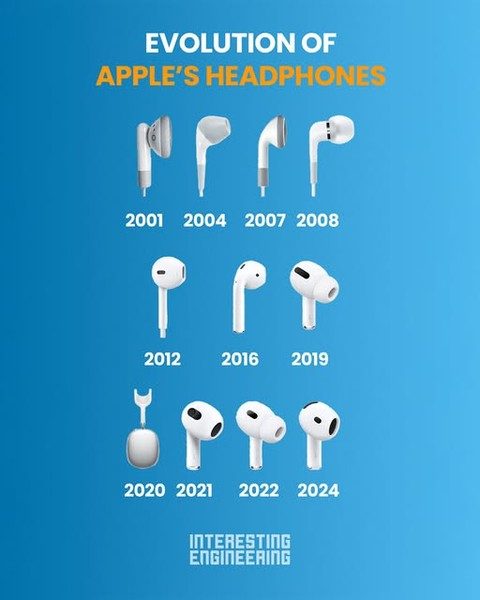
Apple Headphones: A Journey Through Design and Innovation
Apple's headphones have undergone a remarkable transformation since their introduction in 2001. From the early days of wired earbuds to the seamless connectivity of AirPods, the evolution of Apple's headphones mirrors the broader tech revolution. Let's dive into the key milestones and innovations that have shaped the design and functionality of these iconic accessories.
Why This Matters
Headphones are more than just audio devices; they are a window into the broader trends of technology, design, and consumer behavior. By examining the evolution of Apple's headphones, we can gain insights into the company's approach to innovation, user experience, and market adaptation.
The Early Years: Wired Connectivity and Bulky Designs
Apple's journey into headphones began with the introduction of the iPod in 2001. The original iPod earbuds, known for their white color and bulky design, were a significant departure from the headphones of the time. These early models were wired and often required users to untangle cords and ensure proper connection for optimal performance. The design, while basic, was a crucial step in integrating audio functionality with mobile devices.
By 2007, Apple introduced the iPhone, which came with a new set of earbuds that were slightly more compact. The design language began to shift towards a more streamlined and user-friendly aesthetic. This period also saw the introduction of in-line controls, allowing users to manage their music playback directly from the cord.
The Transition to Wireless
The year 2012 marked a significant shift with the release of the EarPods. These headphones were designed with a more ergonomic fit and improved sound quality. The EarPods also introduced a more refined in-line remote and microphone, making them compatible with the iPhone 5. This model laid the groundwork for the future of Apple headphones by focusing on both design and functionality.
The AirPods Era: Seamless Connectivity and Innovation
2016 saw the launch of the AirPods, which revolutionized the headphone market. AirPods offered a truly wireless experience, eliminating the need for tangled cords and providing seamless connectivity with Apple devices. The design was sleek and portable, fitting perfectly into the modern tech aesthetic. The AirPods also introduced features like automatic pairing and voice commands, setting a new standard for wireless headphones.
Evolution of AirPods: Enhancements and Iterations
The AirPods Pro, released in 2019, took the wireless experience to the next level. These headphones featured active noise cancellation, improved sound quality, and customizable fit options with interchangeable ear tips. The design was refined to be even more comfortable and ergonomic, making them a favorite among users who prioritize both functionality and style.
AirPods 2 and AirPods 3
2020 and 2021 saw incremental updates to the AirPods, with the introduction of new AirPods 2 and AirPods 3 models. These updates focused on enhancing battery life, improving audio quality, and integrating advanced features like spatial audio, which offers an immersive listening experience. The AirPods 3 continued to refine the design, making them more compact and user-friendly.
Powered Snapshots
2022 saw the release of the AirPods Pro 2, which introduced new features like adaptive EQ, which automatically tunes the low and mid frequencies to the shape of your ear. The design was further refined, and new health features like hearing health tracking were introduced.
The Future: What's Next for Apple Headphones?
Looking ahead, the evolution of Apple's headphones is likely to continue, driven by advances in technology and user demands. Future models may incorporate even more sophisticated features such as augmented reality integration, advanced health tracking, and further improvements in audio quality and connectivity.
Practical Tips for Choosing the Right Apple Headphones
With so many models available, choosing the right pair of Apple headphones can be daunting. Here are some practical tips to help you make an informed decision:
Assess Your Needs
Consider your primary use for the headphones. Are you looking for something compact and portable for daily commutes, or do you need high-fidelity audio for music production?
Budget Considerations
Apple headphones range from entry-level to premium models. Determine your budget and prioritize features that matter most to you, whether it's noise cancellation, battery life, or design.
Compatibility
Ensure that the headphones you choose are compatible with your devices. Apple headphones are optimized for use with iPhones, iPads, and Macs, but some models may also work seamlessly with other devices.
Design and Comfort
Try different models to see which design and fit work best for you. Comfort is crucial, especially if you plan to wear the headphones for extended periods.
Important Takeaways
The evolution of Apple's headphones from 2001 to 2024 tells a story of continuous innovation and adaptation. Key takeaways include:
- Wireless Revolution: The shift to wireless connectivity with the AirPods was a game-changer, offering unparalleled convenience and portability.
- Design and Ergonomics: Each new generation of Apple headphones has seen improvements in design and ergonomics, making them more comfortable and user-friendly.
- Feature Enhancements: Features like noise cancellation, spatial audio, and health tracking have elevated the user experience, setting new standards for the industry.
- User-Centric Innovation: Apple's approach to headphone design has consistently focused on user needs, from in-line controls to seamless connectivity.
Conclusion
From the early wired earbuds to the cutting-edge AirPods Pro, Apple's headphones have come a long way. The journey reflects the company's commitment to innovation, user experience, and continuous improvement. As technology advances, we can expect Apple to continue pushing the boundaries of what's possible in the world of headphones, offering users even more sophisticated and versatile audio solutions.
Watch the Reel
Questions readers ask
What were the first Apple headphones like?
The first Apple headphones, introduced in 2001, were wired earbuds with a distinctive white design. They were part of the iPod's bundle and were known for their bulky design and limited sound quality by today's standards, but they were a landmark in terms of Apple's entry into the audio accessory market.
How have AirPods evolved since their launch?
AirPods have seen significant advancements since their initial release in 2016. Improvements include longer battery life, enhanced sound quality, spatial audio, and integrated features like Active Noise Cancellation. Each iteration has focused on making the user experience more seamless and intuitive.
What are the key design trends in Apple headphones?
Key design trends in Apple headphones include a shift from wired to wireless connectivity, a focus on minimalism and sleek aesthetics, and integration of advanced technologies. The transition from the bulky earbuds of 2001 to the compact, ergonomic AirPods exemplifies this trend.
What are the notable milestones in Apple's headphone history?
Notable milestones include the introduction of the first iPod earbuds in 2001, the release of the original AirPods in 2016, the launch of AirPods Pro with Active Noise Cancellation in 2019, and ongoing updates that have improved both design and functionality.
How have wireless headphones from Apple changed?
Apple's wireless headphones, such as AirPods, have evolved to offer better sound quality, improved battery life, seamless connectivity with Apple devices, and features like spatial audio. The transition from wired to wireless has been a significant step towards enhancing user convenience and experience.
Related deep dives
Similar reads based on topic and creator.


Recent articles
Fresh deep dives from the latest Reels we unpacked.




Comments
Be the first to comment.