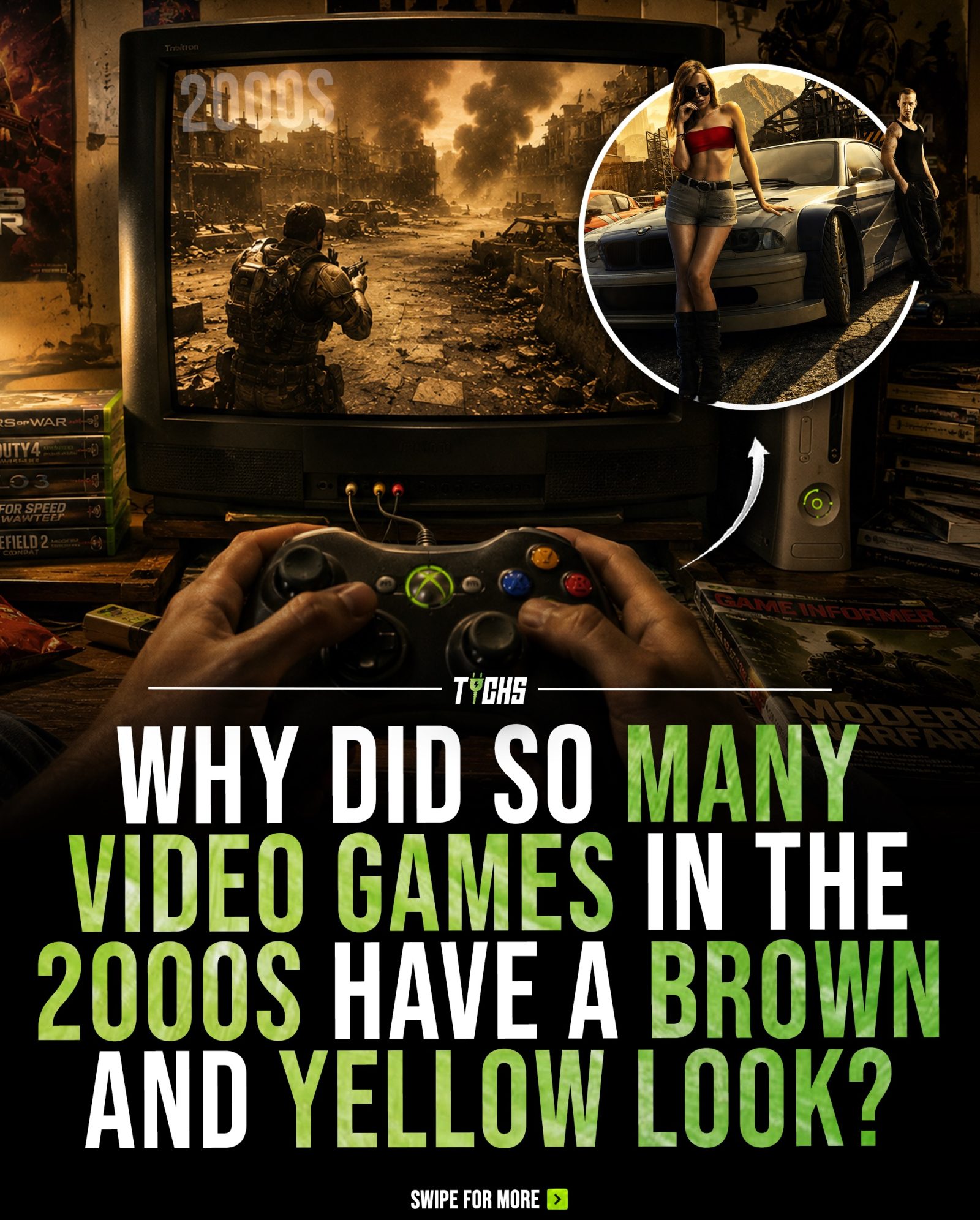
Video Game Aesthetics of the 2000s
The distinctive brown and yellow color scheme that dominated video games from the mid-2000s to the early 2010s is a hallmark of that era's gaming aesthetics. This look, affectionately dubbed the "piss filter" by the community, was a result of developers' efforts to make games feel more realistic and cinematic. The "piss filter" is characterized by its warm, yellow-brown tint, which became a defining visual style in numerous iconic games.
Why this matters
Understanding the aesthetic choices of the 2000s is crucial for appreciating the evolution of game design. This period marked a significant shift in how games were presented visually, paving the way for future developments in the industry. The "piss filter" was not just a fleeting trend; it was a response to the technological limitations and creative ambitions of the time. By exploring this aesthetic, gamers and developers alike can gain insights into the creative processes and technical constraints that shaped modern gaming.
Main discussion
The birth of the "piss filter"
The "piss filter" emerged as a solution to the technological constraints of the mid-2000s. During this time, gaming hardware was advancing rapidly, but it was still not capable of rendering highly detailed and realistic graphics consistently. Developers turned to color grading as a way to enhance the visual appeal of their games. The brown and yellow tint added a sense of depth and realism, making games feel more immersive.
The technical constraints
The 2000s saw the rise of consoles like the Xbox 360 and PlayStation 3, which offered significant improvements in graphics compared to their predecessors. However, these consoles still had limitations, especially when it came to rendering complex environments and detailed textures. To work around these constraints, developers used heavy color filters to create a more cinematic look. The "piss filter" was an effective way to mask the limitations of the hardware and create a cohesive visual style.
The influence on game design
The "piss filter" had a profound impact on game design. It influenced not only the visuals but also the narrative and atmosphere of many games. Games like Call of Duty 4: Modern Warfare, Gears of War, Fallout 3, Resident Evil 5, and Grand Theft Auto IV all featured this distinctive color palette. The warm, yellow-brown tint contributed to the gritty, realistic feel of these games, enhancing their storylines and making them more memorable.
The evolution of graphics
As gaming hardware became more powerful, the reliance on heavy color filters gradually decreased. With the advent of more advanced graphics cards and consoles, developers could achieve greater realism and detail without resorting to color grading. This shift allowed for more nuanced and varied visual styles, leading to a more diverse range of games. The "piss filter" may have faded, but its legacy lives on in the evolution of graphic design in video games.
Practical tips
How to appreciate the "piss filter"
To fully appreciate the "piss filter," it’s essential to play games from the mid-2000s and early 2010s. Titles like Call of Duty 4: Modern Warfare and Fallout 3 offer a rich experience of this aesthetic. Pay attention to the color palette and how it contributes to the game's atmosphere. Notice how the warm, yellow-brown tint enhances the realism and depth of the environments.
Comparing old and new graphics
A great way to understand the evolution of video game graphics is to compare games from the 2000s with modern titles. Look at how color grading and lighting techniques have changed over the years. Modern games often feature more vibrant and diverse color palettes, thanks to advancements in hardware and software. This comparison can help you see how far the industry has come and how the "piss filter" played a role in shaping today's standards.
Important takeaways
The "piss filter" was a defining visual style of the 2000s, characterized by its warm, yellow-brown tint. It emerged as a solution to the technological constraints of the time, allowing developers to create more immersive and cinematic experiences. This aesthetic influenced numerous iconic games and paved the way for future developments in game design. While the "piss filter" may have faded, its impact on the industry is undeniable, and it remains one of the most recognizable visual styles in gaming history.
Conclusion
The brown and yellow color scheme of the 2000s, known affectionately as the "piss filter," was more than just a fleeting trend. It was a creative response to the technological limitations of the time, a testament to the ingenuity of developers, and a defining aspect of gaming aesthetics. By understanding this period, gamers can gain a deeper appreciation for the evolution of game design and the enduring influence of the "piss filter" on modern gaming.
Watch the Reel
Questions readers ask
What is the 'piss filter' in 2000s video games?
The 'piss filter' refers to the distinctive brown and yellow color scheme used in many video games from the mid-2000s to the early 2010s. This visual style was employed to enhance realism and immersion, despite the hardware limitations of the time.
Why did developers use the 'piss filter' in games?
The primary reason developers used the 'piss filter' was to make games feel more realistic and cinematic. This was a response to the technical limitations of the era, where achieving high fidelity graphics was challenging. The warm, yellow-brown tint was a way to create a more immersive atmosphere within the constraints of the hardware.
Which games are known for using the 'piss filter'?
The 'piss filter' was prevalent in numerous iconic games of the 2000s. Some notable examples are the Call of Duty and Gears of War franchises, which embraced this visual style to create a gritty, realistic feel in their environments.
How did color schemes in video games change after the 2000s?
After the 2000s, advancements in hardware allowed for a wider range of color schemes in video games. Developers began to move away from the 'piss filter' and embraced more vibrant and diverse color palettes, enabling more detailed and realistic graphics. This shift is evident in the evolution of game design and presentation from the mid-2000s to the present.
How did the 'piss filter' impact the game development industry?
The 'piss filter' played a crucial role in the game development industry during the 2000s. It marked a significant shift in how games were presented, forcing developers to innovate within the constraints of the time. This period of experimentation and adaptation paved the way for future developments in game design and graphics.
Why is understanding 2000s gaming aesthetics important for gamers and developers?
Understanding 2000s gaming aesthetics provides a deeper appreciation for the evolution of game design. It highlights the creative solutions developers used to overcome technical limitations and create immersive experiences. This historical context is valuable for both gamers and developers, offering insights into the industry's progression and the influences that shaped modern gaming.
Recent articles
Fresh deep dives from the latest Reels we unpacked.




Comments
Be the first to comment.