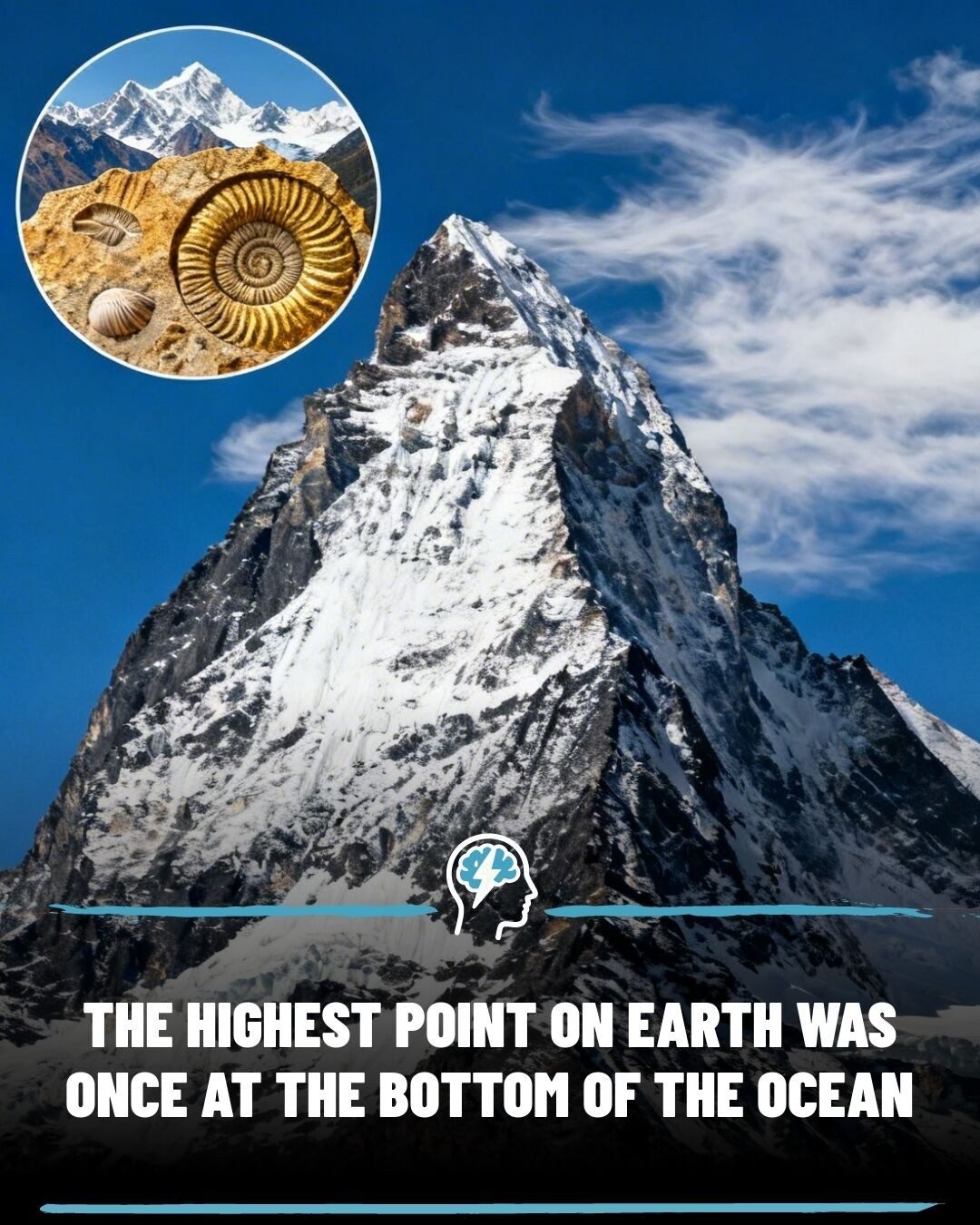
The Geological History of Mount Everest
Mount Everest's geological history reveals a fascinating tale of ancient oceans, tectonic collisions, and the gradual formation of the world's highest peak. It is a story etched in the rocks and fossils that have been preserved for millions of years.
Why This Matters
Exploring the geological history of Mount Everest offers profound insights into the Earth's ever-changing landscapes. This journey through deep time is a testament to the power of plate tectonics and the relentless forces that shape our planet. Understanding this history helps us appreciate the dynamic nature of the Earth's surface, where mountains rise and oceans close over vast periods of time.
The Geological History of Everest
The Ancient Ocean
Around 450 to 470 million years ago, during the Middle Ordovician period, the region that is now home to Mount Everest was submerged under the Tethys Ocean. This warm, shallow tropical sea was teeming with marine life. The ocean floor was a bustling ecosystem, home to various marine creatures, including crinoids, trilobites, and brachiopods. Over time, the remains of these creatures, along with sediments, accumulated on the seafloor, forming what is now known as the Qomolangma Limestone.
The Tectonic Collision
Around 50 million years ago, a monumental event began to unfold. The Indian tectonic plate started moving northward and collided with the Eurasian plate. This slow-motion collision had profound implications for the Earth's surface. The ancient seafloor sediments, along with the preserved fossils, were pushed upwards, eventually forming the Himalayas. This ongoing process continues to lift the Himalayas by more than a third of an inch every year, making the mountain range the youngest and tallest in the world.
Geological Evidence
The evidence of this remarkable transformation is preserved in the rocks and fossils scattered across the Himalayan range. Marine fossils, including those of ancient sea creatures, have been found embedded in the rocks near Mount Everest's summit. These fossils are a clear indication that the highest peak on Earth was once at the bottom of an ancient ocean.
Scientists have documented these marine fossils extensively in geological studies. The Qomolangma Limestone, which contains these fossils, provides a concrete record of the region's past. This geological evidence is well established across various studies, confirming the dramatic changes that the Earth's surface has undergone over millions of years.
The Power of Plate Tectonics
The geological history of Mount Everest is one of the most powerful demonstrations of plate tectonics in action. The collision of the Indian and Eurasian plates has not only lifted the Himalayas but also continues to shape the Earth's surface. This process has transformed a once-quiet ocean floor into the roof of the world, carrying preserved remains of creatures that lived hundreds of millions of years before dinosaurs existed.
Practical Tips for Explorers and Geologists
For those interested in exploring the geological wonders of Mount Everest, it is essential to understand the significance of the Qomolangma Limestone and the fossils it contains. Here are some practical tips:
Preparation and Safety
- Research: Understand the geological context and the terrain before embarking on any expedition. Familiarize yourself with the geology of the region and the specific locations where marine fossils can be found.
- Equipment: Bring appropriate equipment, including geological maps, rock hammers, and safety gear. Proper equipment is crucial for navigating the challenging terrain and conducting thorough geological surveys.
- Guides: Consider hiring experienced guides who are knowledgeable about the geology of the region. They can provide valuable insights and ensure your safety.
Observation and Documentation
- Fossils: Look for the distinctive marine fossils found in the Qomolangma Limestone. These fossils, including crinoids, trilobites, and brachiopods, offer a glimpse into the ancient marine life that once thrived in the region.
- Rocks: Study the composition and structure of the rocks in the area. The Qomolangma Limestone provides a clear record of the region's geological history and the tectonic forces that shaped it.
- Documentation: Keep meticulous records of your observations and findings. Photographs, sketches, and notes are essential for documenting the geological evidence and sharing your discoveries with the scientific community.
Important Takeaways
- Mount Everest's summit was once part of an ancient ocean floor.
- Marine fossils found in the Qomolangma Limestone provide evidence of this past.
- The collision of the Indian and Eurasian plates lifted the ancient seafloor sediments to form the Himalayas.
- The geological processes that shaped Mount Everest continue today, with the Himalayas rising by more than a third of an inch every year.
- Understanding the geological history of Mount Everest offers profound insights into the Earth's dynamic nature and the power of plate tectonics.
Conclusion
The geological history of Mount Everest is a tale of ancient oceans, tectonic collisions, and the relentless forces that shape our planet. From the warm, shallow seas of the Middle Ordovician period to the towering peaks of today, the journey of Mount Everest is a testament to the Earth's ever-changing landscape. Exploring this geological wonder not only enriches our understanding of the planet's history but also highlights the profound impact of plate tectonics on the Earth's surface. Next time someone doubts the power of deep time, remind them that sea shells sit atop the world's tallest mountain, a silent testament to the Earth's dynamic and ever-evolving nature.
Watch the Reel
Questions readers ask
How did Mount Everest form from an ancient ocean floor?
Mount Everest's formation began around 450 to 470 million years ago when the Indian and Eurasian plates started colliding. This collision, driven by tectonic forces, forced the ancient ocean floor between them to rise and eventually form the Himalayan mountain range, including Mount Everest, the highest peak on Earth.
What evidence of its ocean past can be found on Mount Everest?
The remnants of Marine fossils and distinct rock layers that once lay beneath the ocean are now preserved high up on Mount Everest. These include marine fossils such as sea lilies and other creatures that thrived in the ancient ocean.
How did tectonic plate movement contribute to the formation of Mount Everest?
Tectonic plate movement played a crucial role in the formation of Mount Everest. The ongoing collision of the Indian and Eurasian plates exerted immense pressure, causing the ocean floor to buckle and rise, ultimately leading to the uplift of the Himalayas and the formation of Mount Everest.
Why is the history of Mount Everest significant?
The history of Mount Everest is significant because it provides insights into the dynamic nature of Earth's surface. It illustrates how mountains rise and oceans close over vast periods, showcasing the power of plate tectonics and the relentless forces that shape our planet.
What is the process of mountain formation involving Mount Everest?
The formation of mountains like Mount Everest involves a lengthy process of tectonic activity, where the collision of tectonic plates forces the Earth's crust to uplift and fold, creating mountain ranges. This process is driven by the relentless power of plate tectonics, which continue to shape the Earth's landscape.
How long has the journey of Mount Everest from the sea to the peak taken?
The journey of Mount Everest from an ancient ocean floor to the world's highest peak spans over 450 to 470 million years. This extensive timeline highlights the vast periods required for significant geological changes to occur, as the ocean floor gradually rose and folded into the Himalayan range.
What can the geological history of Mount Everest tell us about the Earth's changing landscapes?
The geological history of Mount Everest demonstrates the Earth's ever-changing landscapes over time. It reveals how mountains rise, oceans close, and landscapes transform due to the relentless power of plate tectonics, offering a profound perspective on the dynamic nature of our planet.
Related deep dives
Similar reads based on topic and creator.




Recent articles
Fresh deep dives from the latest Reels we unpacked.




Comments
Be the first to comment.