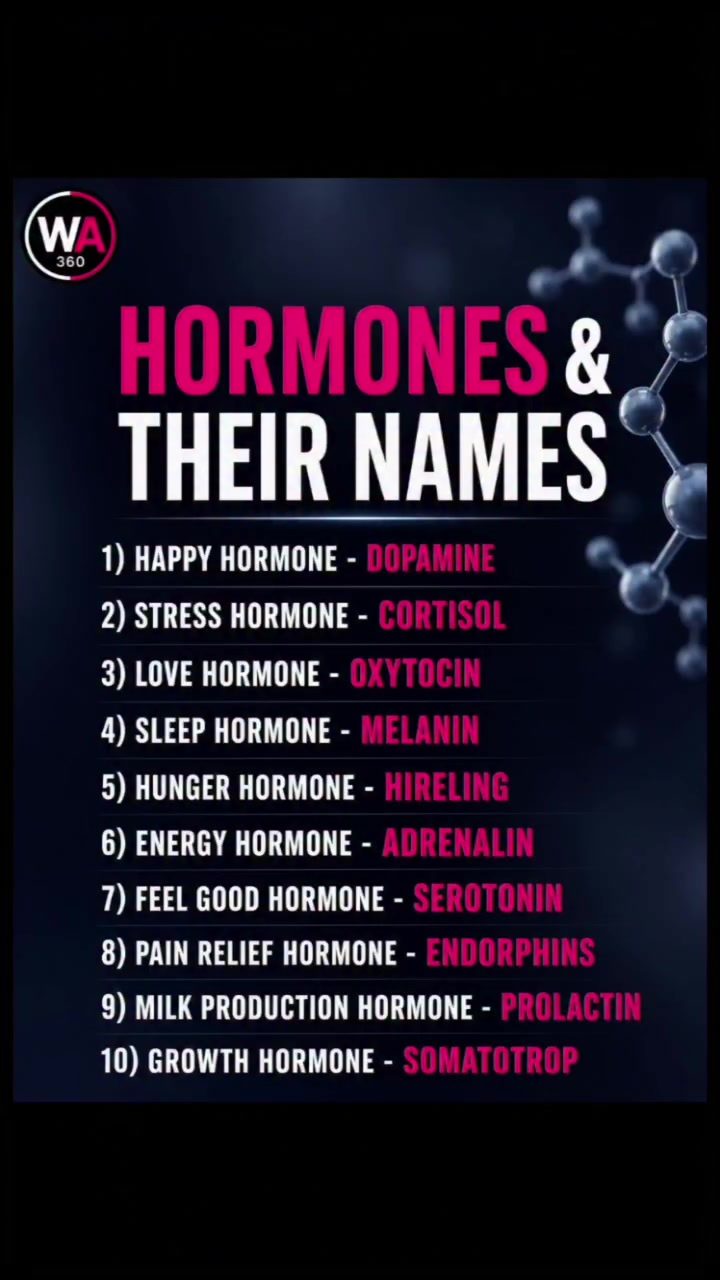
Hormones and Their Names
Hormones are the body's chemical messengers, regulating everything from mood and sleep to energy, growth, hunger, and stress. Understanding these essential hormones is crucial for appreciating how the body functions and why maintaining a healthy lifestyle is so important.
Context / Why this matters
Hormones play a vital role in maintaining overall health and well-being by regulating various bodily functions. Knowledge of these chemical messengers empowers individuals to make informed lifestyle choices, promoting better health and wellness. When you understand how hormones work, you can better appreciate the importance of a balanced lifestyle in maintaining hormonal equilibrium.
Main discussion
10 Essential Hormones
1. Dopamine
Dopamine is often referred to as the "happy hormone" or the "motivation hormone". It plays a crucial role in motivation and reward, reinforcing feelings of pleasure and well-being. This hormone is essential for various cognitive functions, including learning and memory, and is often linked to addiction and reward-seeking behaviors.
2. Cortisol
Cortisol is the body's primary stress hormone, helping regulate metabolism, reduce inflammation, and control blood sugar levels. Produced by the adrenal glands, cortisol is essential for the body's "fight or flight" response. However, prolonged elevated cortisol levels can lead to health issues, including weight gain, high blood pressure, and impaired immune function.
3. Oxytocin
Known as the "love hormone," oxytocin strengthens emotional bonds and social interactions. It is released during physical affection, childbirth, and breastfeeding, promoting feelings of trust and attachment. Oxytocin also plays a role in reducing stress and anxiety, enhancing overall emotional well-being.
4. Melatonin
Melatonin, the "sleep hormone," regulates sleep-wake cycles. Produced by the pineal gland, melatonin levels rise in the evening to promote sleep and lower in the morning to help you wake up. Maintaining healthy melatonin levels is crucial for quality sleep and overall health.
5. Grehlin
Ghrelin, often called the "hunger hormone," stimulates appetite and promotes food intake. Produced by the stomach, ghrelin levels rise before meals and fall afterward. This hormone plays a significant role in energy balance and metabolism, influencing overall weight management.
6. Adrenaline
Adrenaline, or epinephrine, is the "energy hormone" that prepares the body for intense physical activity. Released by the adrenal glands, adrenaline increases heart rate, blood pressure, and blood glucose levels, providing a quick energy boost. This hormone is essential for the body's response to stressful or exciting situations.
7. Serotonin
Serotonin, often called the "feel-good hormone," influences mood, appetite, digestion, and sleep. Found primarily in the brain, gastrointestinal tract, and blood platelets, serotonin helps regulate mood and social behavior. Imbalances in serotonin levels are linked to depression, anxiety, and other mood disorders.
8. Endorphins
Endorphins are the body's natural pain relievers, promoting feelings of euphoria and well-being. Released during exercise, stress, and injury, endorphins help reduce pain and enhance mood. These hormones play a crucial role in the body's response to pain and stress, contributing to overall well-being.
9. Prolactin
Prolactin, the "milk production hormone," stimulates breast milk production in nursing mothers. Produced by the pituitary gland, prolactin plays a vital role in lactation and reproductive health. Elevated prolactin levels can interfere with menstrual cycles and fertility, making it an essential hormone for reproductive well-being.
10. Growth Hormone
Growth hormone, or somatotropin, promotes growth and development in children and adolescents. Produced by the pituitary gland, this hormone stimulates cellular reproduction, regeneration, and growth. In adults, growth hormone plays a role in maintaining muscle mass, bone density, and overall body composition.
Practical tips
Balancing Hormones for Better Health
Maintaining a Healthy Lifestyle
A balanced diet, regular exercise, and adequate sleep are fundamental for maintaining hormonal balance. Consuming a diet rich in whole foods, lean proteins, and healthy fats supports overall hormonal health. Regular physical activity helps regulate hormone levels, while quality sleep is essential for hormonal equilibrium.
Managing Stress
Chronic stress can disrupt hormone levels, leading to various health issues. Incorporating stress-reduction techniques, such as mindfulness, meditation, and deep breathing, can help manage stress and promote hormonal balance.
Staying Hydrated
Proper hydration is crucial for optimal hormone function. Drinking an adequate amount of water supports overall health and helps maintain hormonal balance.
Limiting Environmental Toxins
Exposure to environmental toxins, such as endocrine disruptors, can interfere with hormonal function. Limiting exposure to these toxins by choosing organic foods, avoiding plastic containers, and using natural personal care products can help maintain hormonal health.
Monitoring Hormone Levels
Regularly monitoring hormone levels through blood tests or other diagnostic methods can help identify and address imbalances early. Consulting a healthcare provider for personalized advice and treatment options is essential for maintaining hormonal balance.
Important takeaways
Hormones are essential for maintaining overall health and well-being. Understanding the roles of these chemical messengers can help you make informed lifestyle choices, supporting hormonal balance and optimal health. By prioritizing a balanced diet, regular exercise, adequate sleep, and stress management, you can promote hormonal equilibrium and enhance your overall well-being.
Conclusion
Hormones play a crucial role in regulating various bodily functions, from mood and sleep to energy and growth. Learning about these essential hormones and their roles can help you appreciate the importance of a healthy lifestyle in maintaining hormonal balance. By understanding and supporting your body's hormonal needs, you can enhance your overall health and well-being.
Watch the Reel
Questions readers ask
What are the primary functions of dopamine in the body?
Dopamine plays a crucial role in regulating mood, motivation, and the brain's reward and pleasure centers. It also helps control movement, attention, and the production of the hormone prolactin.
How does cortisol impact the body in relation to stress?
Cortisol is often referred to as the 'stress hormone' because it helps the body respond to stress by increasing blood sugar, suppressing the immune system, and aiding in metabolism. High cortisol levels can lead to increased blood pressure and increased glucose in the body.
Which hormones are responsible for regulating sleep patterns?
Hormones like melatonin and cortisol play significant roles in regulating sleep. Melatonin, produced by the pineal gland, signals to the body that it's time to sleep, while cortisol levels typically rise and fall throughout the day and can affect sleep-wake cycles.
What is the role of growth hormones in the body?
Growth hormones stimulate growth, cell reproduction, and regeneration in humans. They are crucial for growth during childhood and adolescence, and in adults, they help maintain healthy tissue, increase muscle mass, and boost metabolism, among other functions.
How do hormones influence energy levels in the body?
Hormones such as cortisol, insulin, and thyroid hormones significantly impact energy levels. For instance, cortisol helps regulate metabolism and blood sugar levels, while thyroid hormones control how fast or slow the body uses energy.
Which hormones help control hunger and appetite?
Hormones like ghrelin, leptin, and insulin are key players in regulating hunger and appetite. Ghrelin stimulates appetite, while leptin and insulin signal the body to stop eating.
What are some benefits of oxytocin in the body?
Oxytocin, often called the 'love hormone,' promotes social bonding, trust, and relaxation. It also plays a role in childbirth, breastfeeding, and can help reduce stress and anxiety. Additionally, oxytocin can enhance feelings of well-being and happiness.
Related deep dives
Similar reads based on topic and creator.




Recent articles
Fresh deep dives from the latest Reels we unpacked.




Comments
Be the first to comment.