Healthy Foods for Protein, Fats, and Vitamins
Balancing a healthy diet involves more than just counting calories. It's about understanding and including the right nutrients in your meals. To achieve this, focus on protein, healthy fats, and vitamins. These nutrients are essential for building muscle, supporting recovery, and maintaining overall health. Let's dive into the details.
Why This Matters
By understanding the importance of protein, healthy fats, and vitamins, you can make informed food choices. A balanced diet improves muscle strength, boosts energy, enhances brain function, and supports overall well-being. Incorporating the right foods into your meals can significantly improve your daily life.
Protein
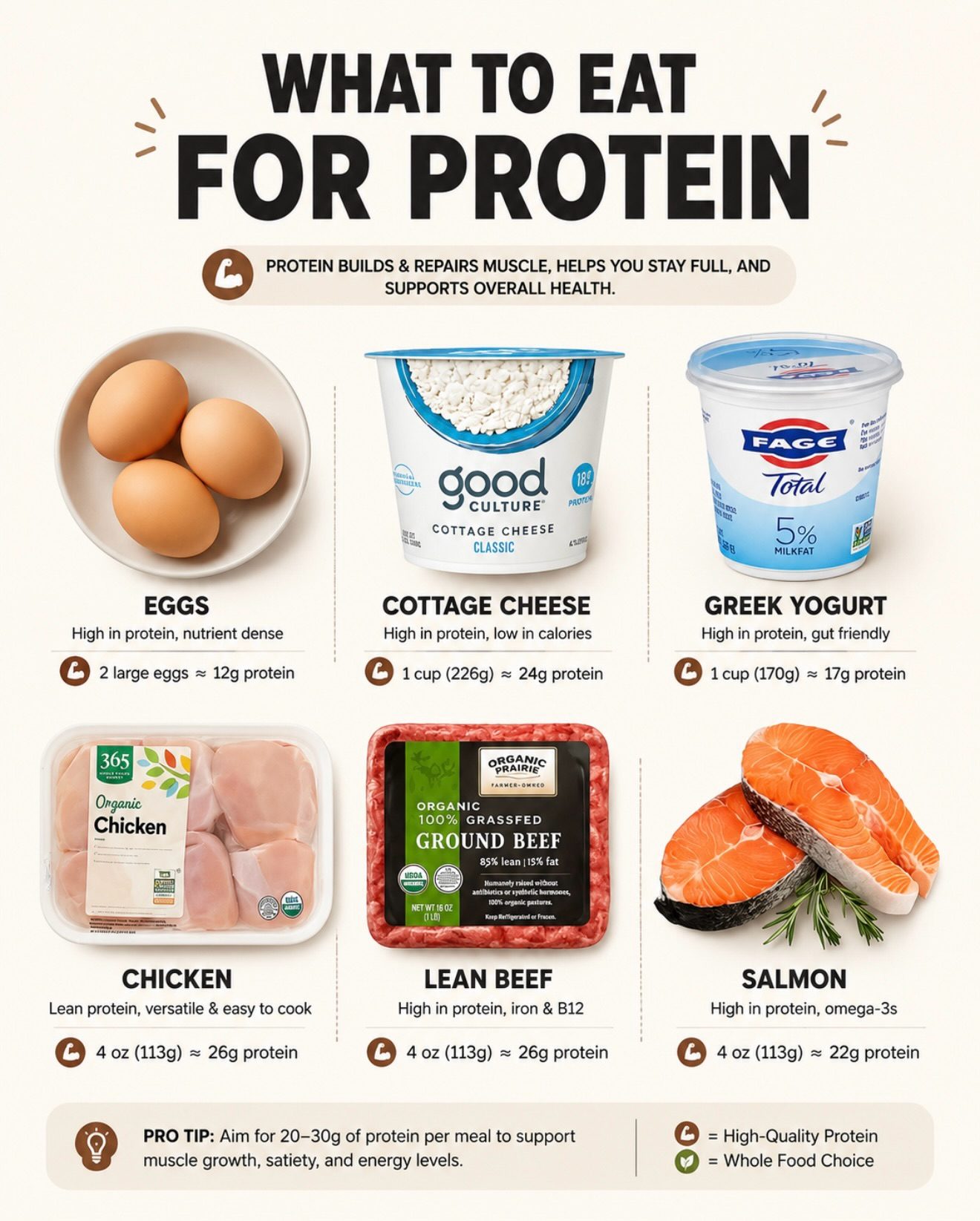
Protein is a crucial nutrient for building and repairing muscle tissue, keeping you full, and supporting overall health. To get the most out of your protein intake, consider these options:
Eggs
Eggs are versatile, easy to prepare, and packed with protein. Two large eggs provide approximately 12 grams of protein, making them an excellent choice for a quick and nutritious meal. Eggs also contain other essential nutrients, which makes them a valuable addition to any diet.
Chicken
Chicken is a lean source of protein that is versatile and easy to cook. A 4-ounce serving of chicken provides about 26 grams of protein, making it a great option for meal prepping or a quick dinner.
Salmon
Salmon is rich in protein and omega-3 fatty acids, which are beneficial for heart health and brain function. A 4-ounce serving of salmon contains approximately 22 grams of protein. Salmon is also a great source of vitamin D.
Cottage Cheese
Cottage cheese is high in protein and low in calories, making it an ideal snack or addition to meals. One cup of cottage cheese provides about 24 grams of protein, along with other essential nutrients.
Greek Yogurt
Greek yogurt is high in protein and beneficial for gut health. A 1-cup serving of Greek yogurt provides about 17 grams of protein. Greek yogurt is also a great source of calcium and vitamins.
When building a healthy plate, aim for 20-30 grams of protein per meal to support muscle growth, satiety, and energy levels.
Healthy Fats
Healthy fats are essential for heart health, hormone balance, brain function, and satiety. To include these fats in your diet, consider the following options:
Almonds
Almonds are rich in healthy fats, vitamin E, and magnesium. One ounce of almonds provides approximately 14 grams of fat, making them a great snack option. Almonds are also a good source of fiber and protein.
Walnuts
Walnuts are high in omega-3 fatty acids, which support brain health. One cup of walnuts provides about 7 grams of fat, along with other essential nutrients. Walnuts are a great addition to salads or as a snack.
Chia Seeds
Chia seeds are an excellent source of omega-3 fatty acids, fiber, and antioxidants. They are versatile and can be added to smoothies, oatmeal, or baked goods. Chia seeds are also a good source of protein and minerals.
Olive Oil
Extra virgin olive oil is rich in heart-healthy monounsaturated fats and anti-inflammatory vitamin C. One tablespoon of olive oil provides about 14 grams of fat. Use olive oil for cooking or as a dressing for salads.
Avocado
Avocado is rich in monounsaturated fats and vitamin A. Half an avocado provides approximately 15 grams of fat, along with other essential nutrients. Avocado is a great addition to sandwiches, salads, or as a snack.
Vitamins and Minerals
Vitamins and minerals are essential for supporting immunity, energy, glowing skin, and overall well-being. To incorporate these nutrients into your diet, consider the following options:
Oranges
Oranges are a good source of vitamin C, which supports the immune system and skin health. One medium orange provides approximately 70% of the daily value of vitamin C.
Raspberries
Raspberries are rich in vitamin C and antioxidants. One cup of raspberries provides about 54% of the daily value of vitamin C, making them a great addition to smoothies or as a snack.
Strawberries
Strawberries are rich in vitamin K, manganese, and antioxidants. One cup of strawberries provides approximately 97% of the daily value of vitamin K, which supports bone health and blood clotting.
Peach
Peaches are a good source of vitamin A, C, and potassium. One medium peach provides about 10% of the daily value of various vitamins and minerals, making them a refreshing snack option.
Mango
Mangoes are high in vitamin A and C, which support immunity and eye health. Mangoes are also a good source of fiber and antioxidants.
Blueberries
Blueberries are rich in vitamin K, vitamin C, and antioxidants. They are a great addition to oatmeal, smoothies, or as a snack. Blueberries support brain health and overall well-being.
Practical Tips
To build a healthy plate, focus on the following tips:
Protein
- Aim for 20-30 grams of protein per meal.
- Include a variety of protein sources such as eggs, chicken, salmon, cottage cheese, and Greek yogurt.
Healthy Fats
- Incorporate healthy fats into your diet daily.
- Include a variety of sources such as almonds, walnuts, chia seeds, olive oil, and avocado.
Vitamins and Minerals
- Eat a variety of colorful fruits daily to get a wide range of vitamins and minerals.
- Include foods rich in vitamins and minerals, such as oranges, raspberries, strawberries, peaches, mango, and blueberries.
Important Takeaways
- Building a healthy diet is simple.
- Include protein in every meal to support muscle growth, satiety, and energy levels.
- Incorporate healthy fats for heart health, hormone balance, and brain function.
- Eat a variety of colorful fruits daily to get a wide range of vitamins and minerals.
- Consistency with whole foods is key to a healthy diet.
Conclusion
When it comes to nutrition, simplicity is key. By focusing on protein, healthy fats, and vitamins, it is easy to build a balanced diet. Incorporate a variety of nutrient-dense foods into your meals to support overall health and well-being.
Watch the Reel
Questions readers ask
What are some high protein foods that are essential for a balanced diet?
High protein foods like chicken, eggs, salmon, cottage cheese, and Greek yogurt are excellent choices. These foods are not only high in protein but also provide a range of other essential nutrients, making them key components of a well-rounded diet.
Why are healthy fats important for muscle development?
Healthy fats play a vital role in muscle development by supporting hormone function and aiding in the absorption of fat-soluble vitamins. Foods like avocados, nuts, and fatty fish contain these beneficial fats, which contribute to overall muscle health and recovery.
What are some vitamins and minerals that are crucial for overall wellness?
Vitamins A, C, D, E, and K, along with minerals like calcium, iron, and magnesium, are essential for overall wellness. These nutrients support various bodily functions, from immune health to bone strength, making it important to incorporate foods rich in these vitamins and minerals into your diet.
Which foods are rich in antioxidants and why are they beneficial?
Foods like berries, leafy greens, and colorful fruits and vegetables are high in antioxidants. These compounds help protect the body from damage by harmful molecules, supporting overall health and potentially reducing the risk of chronic diseases.
How do balanced diet essentials contribute to energy levels?
A balanced diet rich in proteins, healthy fats, and vitamins provides the necessary nutrients to fuel the body and maintain energy levels. These nutrients help in the efficient conversion of food into energy, supporting both physical activities and daily tasks.
What makes salmon and eggs excellent protein sources for a diet?
Salmon and eggs are excellent protein sources due to their high protein content and various essential nutrients. Salmon is rich in omega-3 fatty acids, which support heart and brain health, while eggs provide a complete protein with essential vitamins and minerals.
Recent articles
Fresh deep dives from the latest Reels we unpacked.




Comments
Be the first to comment.