Epigenetics and Inherited Traits
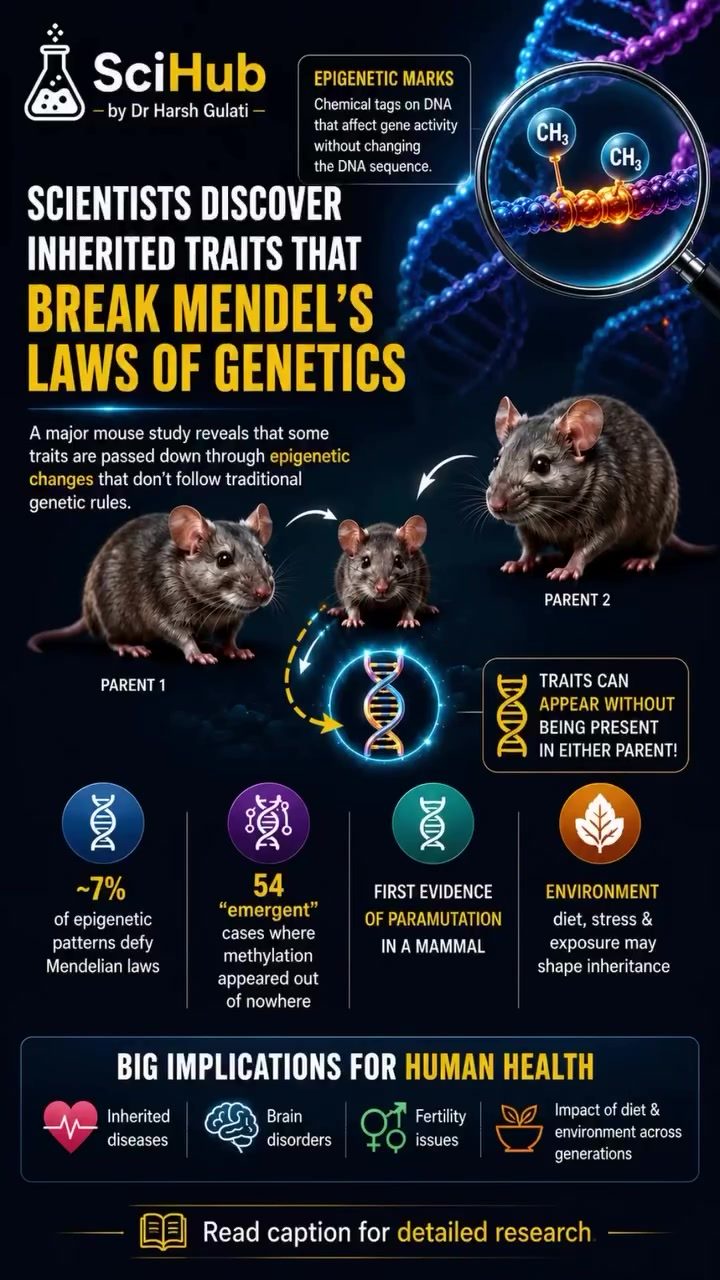
Epigenetics has long been a fascinating field of study, delving into how traits can be inherited not just through DNA sequences, but also through chemical modifications that regulate gene activity. Recent groundbreaking research from Johns Hopkins Medicine, published in Nature Genetics, has shed new light on how these epigenetic changes can influence inheritance in ways that defy traditional Mendelian genetics.
Context / Why This Matters
For over 150 years, Gregor Mendel’s laws have been the cornerstone of genetics, explaining how traits are passed down from one generation to the next. However, a new study has revealed that some traits can be inherited through epigenetic changes—chemical marks on DNA that regulate genes without altering the DNA sequence itself. This discovery suggests that inheritance is more complex than previously understood, with significant implications for human health.
Main Discussion
Understanding Epigenetic Marks
Epigenetic marks are chemical tags added to DNA or associated proteins that affect how genes are expressed. These marks do not alter the DNA sequence but can turn genes on or off, influencing various traits and processes in the body. Examples include DNA methylation, where methyl groups are added to DNA, and histone modifications, which alter the structure of DNA-wound proteins.
Breaking Mendel's Laws
The Johns Hopkins Medicine study involved mice and uncovered that approximately 7% of inherited epigenetic patterns did not follow Mendel's laws. This means that these epigenetic changes can be passed down even when traditional genetic rules do not apply. One of the most striking findings was the occurrence of 54 "emergent" cases where DNA methylation appeared in offspring even though neither parent exhibited it. This phenomenon suggests that traits can emerge spontaneously, challenging conventional genetic inheritance models.
The Role of Paramutation
Paramutation is a rare phenomenon where one allele can influence the expression of another allele, even if the second allele is inherited from the other parent. Previously known mainly in plants, this study reported the first naturally occurring paramutation in a mammal. This discovery adds a new layer to our understanding of how traits can be inherited, highlighting the complexity of genetic and epigenetic interactions.
Environmental Factors and Inheritance
The study also underscores the role of environmental factors in shaping inheritance. Diet, stress, and exposure to certain elements can influence epigenetic changes, which in turn affect how traits are passed down. This has significant implications for understanding how our environment and lifestyle choices can impact not just our own health, but also the health of future generations.
Practical Tips
While the study offers profound insights, it also raises practical considerations. Here are some tips for incorporating this knowledge into a healthier lifestyle:
Awareness of Diet and Stress
Be mindful of your diet and stress levels. A balanced diet and effective stress management can influence epigenetic changes, potentially leading to better health outcomes for future generations. For instance, diets rich in antioxidants and anti-inflammatory foods can support overall health and epigenetic stability.
Environmental Exposure
Limit exposure to harmful environmental factors, such as pollutants and toxins. These can disrupt epigenetic mechanisms, leading to potential health issues. Simple steps like using eco-friendly products and avoiding areas with high pollution can make a difference.
Regular Health Check-ups
Regular health check-ups can help you monitor your epigenetic health. While routine testing for epigenetic markers is not yet common, keeping an eye on your overall health can provide early warnings of potential issues.
Important Takeaways
The study from Johns Hopkins Medicine emphasizes several key points:
-
Complexity of Inheritance: Epigenetic changes add a layer of complexity to traditional genetic inheritance, affecting how traits are passed down.
-
Emergent Traits: Traits can appear in offspring without being present in either parent, challenging our understanding of genetic inheritance.
-
Environmental Impact: Diet, stress, and environmental factors can shape epigenetic inheritance, influencing the health of future generations.
-
Paramutation: The discovery of paramutation in mammals highlights new mechanisms of genetic and epigenetic interactions.
Conclusion
The field of epigenetics is continually evolving, and the new study from Johns Hopkins Medicine presents compelling evidence that inheritance is more complex than previously thought. By understanding how epigenetic changes can influence traits and how environmental factors play a role, we can make more informed decisions about our health and lifestyle. This knowledge opens new avenues for research and potential treatments for inherited diseases and disorders, offering a comprehensive approach to health and well-being.
Watch the Reel
Questions readers ask
What are epigenetic changes and how do they differ from Mendelian inheritance?
Epigenetic changes involve chemical modifications to DNA, such as methylation or histone modifications, that alter how genes are expressed without changing the DNA sequence. Unlike Mendelian inheritance, which is based on the passing of specific genes, epigenetic changes can influence traits across generations in a non-traditional manner.
Can epigenetic changes be inherited, and if so, how?
Yes, epigenetic changes can be inherited, a phenomenon known as transgenerational epigenetic inheritance. This occurs when chemical marks on DNA, such as DNA methylation, are passed from one generation to the next, influencing traits in offspring. This process is distinct from the traditional Mendelian inheritance of genetic traits.
How do epigenetic changes challenge Mendel's laws of inheritance?
Epigenetic changes challenge Mendel's laws by demonstrating that traits can be inherited in ways that do not follow the traditional patterns of dominant and recessive genes. For example, epigenetic modifications can influence gene expression and trait development independently of the underlying DNA sequence, leading to non-Mendelian inheritance patterns.
What are the implications of epigenetic inheritance for human health?
Epigenetic inheritance has significant implications for human health, as it suggests that environmental factors and lifestyle choices, such as diet, can influence traits and health outcomes across generations. Understanding these mechanisms can provide new insights into the prevention and treatment of diseases with a genetic component.
What are some of the most recent findings in epigenetics studies?
Recent studies, such as those published in Nature Genetics by Johns Hopkins Medicine, have shown that epigenetic changes can influence the inheritance of traits in ways that defy traditional Mendelian genetics. These studies highlight the complex nature of inheritance and the potential for epigenetic modifications to shape health and disease outcomes.
What role does DNA methylation play in epigenetic inheritance?
DNA methylation is a key process in epigenetic inheritance, where methyl groups are added to DNA molecules, typically at cytosine bases, which can alter gene expression. These methylation marks can be inherited and influence traits in subsequent generations, contributing to the non-Mendelian patterns of inheritance observed in some traits.
How does epigenetics relate to diet and its impact on health?
Epigenetics and diet are interconnected, as certain nutrients and dietary patterns can induce epigenetic changes, such as DNA methylation or histone modifications. These changes can influence gene expression and, consequently, affect health outcomes. For example, certain dietary components can alter epigenetic marks that regulate genes involved in metabolism and inflammation, impacting disease risk across generations.
Related deep dives
Similar reads based on topic and creator.



Recent articles
Fresh deep dives from the latest Reels we unpacked.




Comments
Be the first to comment.