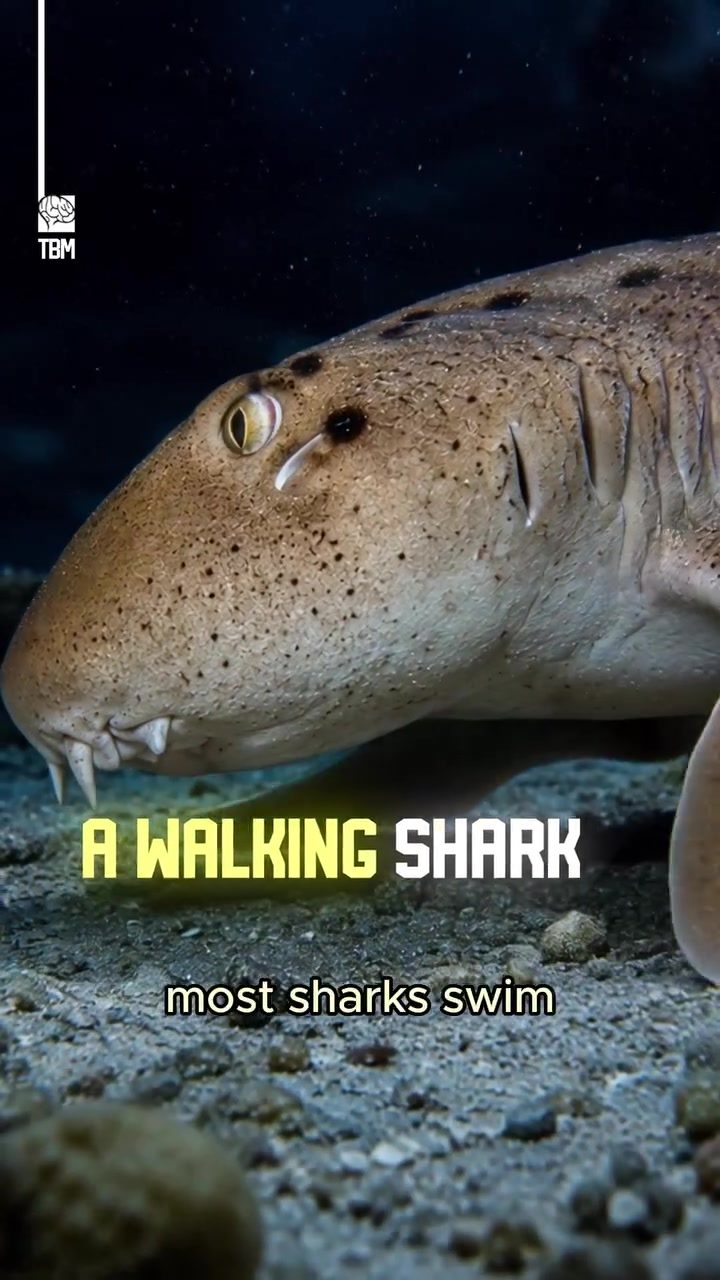
The Epaulette Shark: A Walking Predator of Shallow Coral Reefs
The epaulette shark, a remarkable species found in shallow coral reefs, possesses an extraordinary ability to walk using its muscular fins. This unique adaptation allows it to crawl across the ocean floor, making it a formidable hunter in environments where other predators cannot survive.
Why This Matters
The epaulette shark's ability to walk and survive in low-oxygen conditions offers insights into the incredible adaptability of marine life. Understanding these adaptations provides a deeper appreciation for the diversity and resilience of underwater ecosystems. Furthermore, studying such unique survival mechanisms can inspire innovative solutions in fields like medicine and environmental conservation.
Main Discussion
The Walking Shark
The epaulette shark's most notable feature is its ability to walk. Unlike most sharks that rely on swimming, the epaulette shark uses its muscular fins to traverse the ocean floor. This unique movement allows it to navigate shallow coral reefs and tide pools with remarkable agility. The walking motion is made possible by the shark's powerful pectoral and pelvic fins, which function almost like legs, propelling the shark forward and allowing it to maneuver through complex underwater terrains.
Survival in Low-Oxygen Environments
One of the most impressive aspects of the epaulette shark is its ability to survive with almost no oxygen for up to two hours. This adaptation is crucial for its survival in tide pools, where oxygen levels can plummet when the water becomes trapped. When faced with extremely low oxygen, the shark's body goes into a state of metabolic depression. This means that its overall metabolic rate slows down, allowing it to conserve energy and protect vital organs, including the brain. This incredible survival mechanism enables the epaulette shark to hunt and thrive in environments where other predators would suffocate.
Hunting in Low-Oxygen Waters
The epaulette shark's ability to survive in low-oxygen conditions turns what would be a hostile environment for other predators into a hunting ground. When oxygen levels in tide pools drop, most sharks and other marine predators would be unable to survive. However, the epaulette shark can use this to its advantage. By crawling across the ocean floor and surviving in these extreme conditions, it can hunt prey that would normally escape detection.
Practical Tips
While the epaulette shark’s abilities are fascinating, they also highlight the importance of understanding and preserving marine habitats. Here are a few tips for anyone interested in marine life and conservation:
Observe Marine Life Responsibly
When observing marine life, especially in shallow coral reefs, it’s essential to do so responsibly. Avoid touching or disturbing the coral and marine creatures. Keeping a safe distance ensures that you do not disrupt their natural behaviors or habitats.
Learn About Marine Conservation
Engage with marine conservation efforts to play a part in preserving marine ecosystems. This can involve participating in beach clean-ups, supporting organizations that work to protect marine life, or even advocating for policies that safeguard underwater environments.
Support Sustainable Fishing
Sustainable fishing practices are crucial for maintaining the health of marine ecosystems. Choose seafood that is responsibly sourced and avoid products that come from overfished or endangered species. This helps ensure that populations of marine life, including sharks, can thrive.
Important Takeaways
The epaulette shark's unique ability to walk and survive in low-oxygen environments makes it a remarkable species. Its adaptations offer insights into how marine life can thrive in harsh conditions, highlighting the importance of preserving marine habitats. By understanding and appreciating these adaptations, we can better protect and conserve the diverse ecosystems that support marine life.
Conclusion
The epaulette shark's ability to walk and survive in low-oxygen environments is a testament to the incredible adaptability of marine life. This unique species showcases the diversity and resilience of underwater ecosystems, offering valuable insights into how life can thrive in extreme conditions. By learning about and appreciating the epaulette shark, we can gain a deeper understanding of the natural world and the importance of conserving marine environments.
Watch the Reel
Questions readers ask
How does the epaulette shark's unique walking ability benefit it as a predator?
The epaulette shark's walking ability, facilitated by its muscular fins, allows it to traverse shallow coral reefs effectively. This unique skill enables it to hunt in environments where many other predators cannot, making it a formidable hunter in low-oxygen zones.
What makes the epaulette shark's low-oxygen survival capabilities noteworthy?
The epaulette shark's exceptional endurance in low-oxygen conditions is remarkable because it allows the shark to inhabit environments that would be fatal to other species. This ability to survive in oxygen-deprived waters helps it thrive in habitats where competition is low, and resources are scarce.
How do the epaulette shark's muscular fins contribute to its walking ability?
The epaulette shark's muscular fins are crucial for its walking ability. These powerful fins enable the shark to propel itself across the ocean floor, using a unique motion that mimics walking. This adaptation is essential for navigating the shallow coral reefs and pursuing prey.
What environmental factors have contributed to the epaulette shark's unique adaptations?
The shallow coral reef habitats where epaulette sharks live are characterized by fluctuating oxygen levels. These conditions have driven the epaulette shark to develop exceptional low-oxygen survival capabilities. Additionally, the terrain of coral reefs has influenced the shark's ability to walk, making it a more versatile predator.
How can studying the epaulette shark's adaptations benefit human fields of study?
Studying the epaulette shark's unique survival mechanisms can provide valuable insights for various fields. For instance, its low-oxygen endurance could inspire advancements in medical research, while its walking ability might inform developments in environmental conservation and biomechanics.
What are the primary advantages of the epaulette shark's walking ability in its natural habitat?
The primary advantages of the epaulette shark's walking ability include enhanced mobility in shallow waters and the ability to explore areas that other predators cannot reach. This adaptation allows the shark to access new food sources and evade potential threats, making it a versatile and resilient species.
In what ways does the epaulette shark's unique walking ability set it apart from other shark species?
The epaulette shark's unique walking ability sets it apart from other shark species due to its muscular fins, which enable it to move across the ocean floor. This distinctive feature allows the epaulette shark to navigate land and water with ease, making it a more versatile hunter and predator.
Recent articles
Fresh deep dives from the latest Reels we unpacked.




Comments
Be the first to comment.