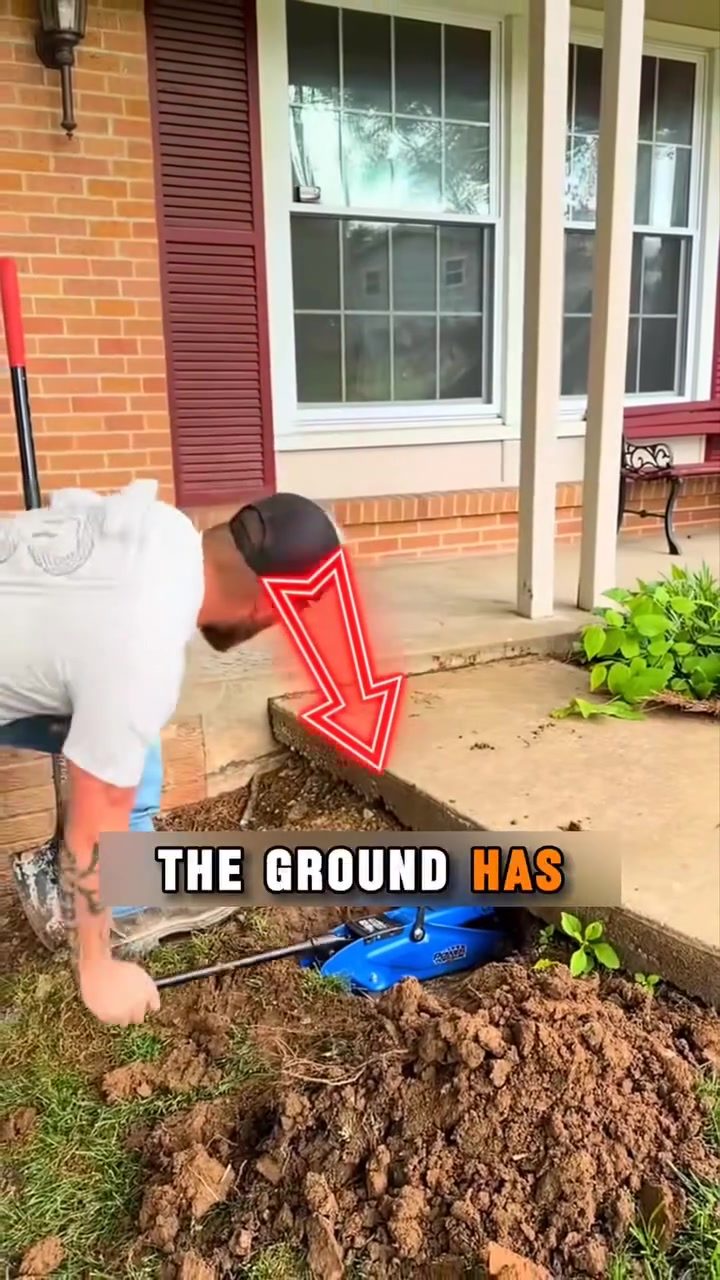
The Secret Trick Engineers Use to Fix Sunken Roads
Sunken roads and concrete slabs are a common sight in many areas, often leading to questions about the best remediation methods. Rather than tearing out and rebuilding the affected areas, engineers sometimes employ a clever technique involving the injection of a special polyurethane foam. This approach not only stabilizes the ground but also lifts sunken sections back into place. This foam, however, isn't your typical insulating material; it's a specialized product designed specifically for underground use.
Context / Why This Matters
Understanding how this polyurethane foam works can provide valuable insights into modern construction and repair techniques. The method is not only effective but also more cost-efficient and less disruptive compared to traditional rebuilding methods. This technique is widely used in both urban and residential settings, making it a versatile solution for various infrastructure issues.
Main Discussion
What is Polyurethane Foam?
Polyurethane foam is a versatile material that comes in various forms and is used in many industries. The type used for lifting sunken concrete is different from the foam found in mattresses or insulation. This specific polyurethane foam is a liquid when injected, allowing it to flow into the smallest crevices and voids beneath a slab. Once it comes into contact with the air, it rapidly expands and hardens, filling the empty spaces and creating a solid foundation.
The Lifting Process
The primary advantage of this polyurethane foam is its ability to lift. When injected underground, the foam not only fills the voids but also creates upward pressure. This pressure acts like an invisible jack, slowly raising the sunken concrete back to its original position. This process is particularly useful for repairing sidewalks, driveways, and roads without the need for extensive demolition and rebuilding.
Applications Beyond Roads
While polyurethane foam is commonly used to repair sunken concrete, its applications extend far beyond roads and sidewalks. This material is also used in residential settings to fill gaps in walls, attics, and basements. By creating an insulating layer, it helps maintain a comfortable indoor temperature year-round. In winter, it keeps cold air out, and in summer, it prevents heat from entering the home. This dual functionality makes it an excellent choice for energy-efficient construction and renovation projects.
Potential Drawbacks
Despite its many benefits, there are some potential drawbacks to using polyurethane foam. One significant issue is its interaction with moisture. If there are hidden leaks or moisture problems, the foam can trap water inside, leading to wood rot and mold over time. This can cause more significant issues if not addressed promptly, making it crucial to ensure that the area is dry before injecting the foam.
Practical Tips
Preparation
Before using polyurethane foam for lifting or insulation, it's essential to prepare the area properly. This includes ensuring that the surface is clean and free of debris. Additionally, it's crucial to identify and address any moisture issues before applying the foam. This step is critical to prevent future problems like wood rot and mold.
Application
When applying the foam, it's important to use the correct amount. Too little foam will not provide the necessary lift, while too much can lead to overspray and waste. Following the manufacturer's guidelines can help ensure the best results. The foam is typically injected through small holes drilled into the concrete surface, allowing it to flow into the voids beneath.
Monitoring
Once the foam has been injected, it's essential to monitor the area for any signs of issues. Check for any signs of water damage or mold growth, and address these issues promptly to prevent further damage. Regular inspections can help ensure the longevity of the repair and the safety of the structure.
Professional Help
While it's possible to apply polyurethane foam yourself, hiring a professional is often the best option. Professionals have the necessary experience and equipment to ensure the job is done correctly. They can also provide advice on the best type of foam to use and how to avoid potential pitfalls.
Important Takeaways
- Polyurethane foam is a specialized material used to repair sunken concrete and insulate buildings.
- It's injected as a liquid, allowing it to flow into voids and then expands and hardens.
- The foam creates upward pressure, acting like an invisible jack to lift sunken concrete.
- It's also used in residential settings to create an insulating layer.
- Moisture issues can cause problems, so it's important to ensure the area is dry before application.
- Professional help is recommended for the best results.
Conclusion
Polyurethane foam is a game-changer in the world of construction and repair. Its ability to lift sunken concrete and provide insulation makes it a versatile solution for various infrastructure issues. While it's essential to be aware of potential drawbacks, such as moisture problems, proper preparation and application can ensure successful results. Whether you're dealing with sunken roads or looking to improve your home's insulation, understanding the benefits and applications of polyurethane foam can be incredibly valuable.
Watch the Reel
Questions readers ask
What is polyurethane foam injection and how does it work in road repair?
Polyurethane foam injection is a technique used to repair sunken roads and concrete slabs. It involves injecting a specialized foam underground, which then expands and hardens to fill voids, lifting and stabilizing the surface.
Why is polyurethane foam injection a preferred method for road repair in urban and residential areas?
This method is preferred because it saves time and money. It allows for quick repairs with minimal disruption to traffic and daily life, making it ideal for both urban and residential areas.
What makes the foam used in road repair different from typical insulating foam?
The foam used in road repair is designed specifically for underground use. It expands and hardens to provide structural support and stability, unlike typical insulating foam which is designed for temperature control and has a lower density.
Can polyurethane foam injection be used to repair both asphalt roads and concrete slabs?
Yes, this technique is effective for both asphalt roads and concrete slabs. It helps to lift sunken sections and stabilize the underlying ground, making it a versatile solution for various surfaces.
How does the foam injection process help in preventing future road damage?
By filling voids and hardening, the foam stabilizes the soil and provides a solid base for the road or slab. This reduces the likelihood of further settling or shifting, helping to prevent future damage and extend the lifespan of the repair.
What are the benefits of using foam injection for road lifting and stabilization?
Using foam injection offers several benefits, including minimal disruption to traffic, quick repair times, and cost-efficiency. Additionally, it provides structural support and stability, making it a reliable method for lifting and stabilizing sunken roads and concrete slabs.
Recent articles
Fresh deep dives from the latest Reels we unpacked.




Comments
Be the first to comment.