Robotic Water Walking
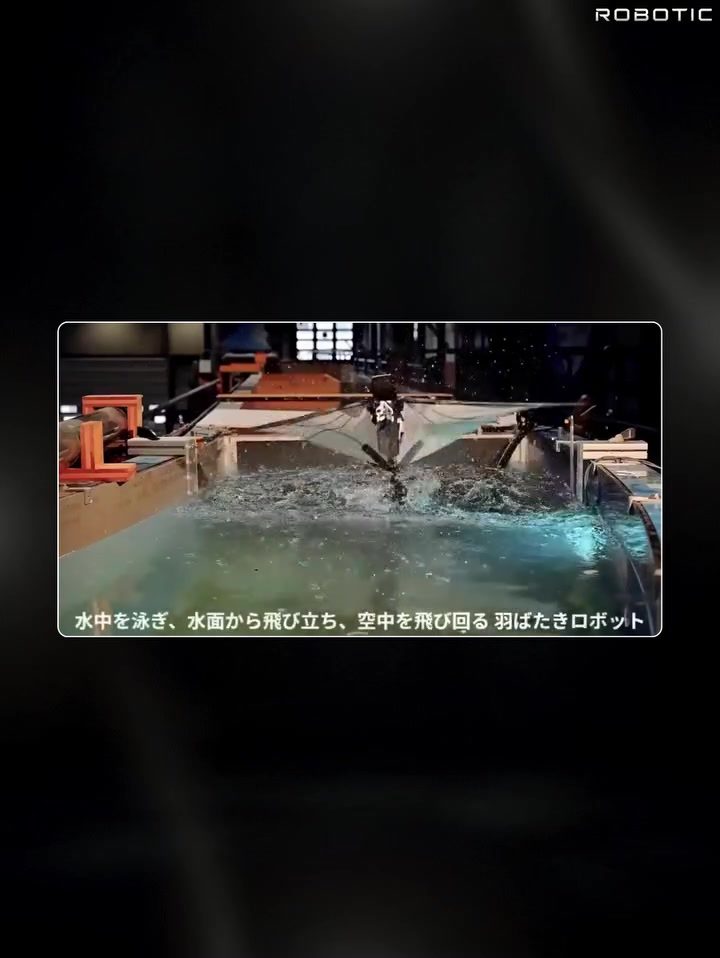
The engineering world is abuzz with innovations inspired by nature. One of the most remarkable advancements is the Flapping-wing Aerial-Aquatic Vehicle (FAAV), a robot developed by MIT and EPFL. This bird-inspired robot, also known as an ornithopter, is designed to conquer both the sky and the water. By mimicking the movements of diving seabirds, the FAAV can fly, swim underwater, and take off directly from the water surface in less than a second.
Why This Matters
Environmental monitoring is a critical field where technology and nature converge. Climate change, pollution, and the health of aquatic ecosystems are pressing concerns. Robots like the FAAV offer unprecedented opportunities to gather data from hard-to-reach areas, providing valuable insights into these environmental issues. By leveraging the principles of bird flight and aquatic movements, engineers are paving the way for more versatile and efficient environmental monitoring tools.
What is the FAAV?
The FAAV is an ornithopter, a type of robot that uses flapping wings for propulsion, both in the air and underwater. Unlike traditional drones, which rely on propellers, the FAAV mimics the movements of diving seabirds. This design allows it to transition seamlessly between air and water, making it an ideal tool for exploring various aquatic environments.
Design and Mechanics
At the heart of the FAAV's design is a pair of flexible, flapping wings. These wings are inspired by the wings of seabirds, which have evolved to be exceptionally efficient in both air and water. The FAAV uses the same wings to propel itself in both environments, making it a versatile and efficient machine.
Transition Between Air and Water
One of the most impressive features of the FAAV is its ability to transition between air and water in less than a second. This capability is made possible by the design of its wings, which can generate lift in both air and water. The robot can leap from the water's surface and fly through the air, making it a unique and powerful tool for environmental monitoring.
Practical Applications
Environmental Monitoring
The FAAV's ability to operate in both air and water makes it an invaluable tool for environmental monitoring. It can be used to explore lakes, rivers, oceans, and coral reefs, collecting data on climate change, pollution, and wildlife. This data can help scientists better understand the health of aquatic ecosystems and develop strategies to protect them.
Wildlife Conservation
The FAAV's ability to swim underwater and fly through the air makes it an ideal tool for wildlife conservation efforts. It can be used to monitor endangered species, track animal movements, and assess the health of aquatic habitats. This information can help conservationists develop strategies to protect endangered species and preserve aquatic ecosystems.
Research and Development
The FAAV's innovative design also makes it a valuable tool for research and development in the field of robotics. It serves as a platform for testing new ideas and technologies, paving the way for future advancements in the field. By studying the FAAV's design and mechanics, engineers can gain insights into the principles of flight and aquatic movement, which can be applied to the development of new and more efficient robots.
Important Takeaways
The FAAV represents a significant advancement in the field of robotics, demonstrating the potential of nature-inspired design. Its ability to transition seamlessly between air and water makes it an ideal tool for environmental monitoring and wildlife conservation. As engineers continue to refine this technology, the FAAV is poised to play a crucial role in understanding and protecting our planet's aquatic ecosystems.
Conclusion
The FAAV is a testament to the power of nature-inspired engineering. By mimicking the movements of diving seabirds, engineers have created a robot that can conquer both the sky and the water. This innovative design has the potential to revolutionize environmental monitoring and wildlife conservation, providing invaluable data on climate change, pollution, and aquatic ecosystems. As research and development continue, the FAAV will undoubtedly pave the way for future advancements in the field of robotics, offering new and exciting possibilities for exploration and discovery.
Watch the Reel
Questions readers ask
How does the Flapping-wing Aerial-Aquatic Vehicle (FAAV) differ from traditional drones?
The FAAV is unique because it can seamlessly transition between flying and swimming, unlike traditional drones that are typically designed for either aerial or aquatic environments. This dual capability allows the FAAV to gather data in both air and water, making it more versatile for environmental monitoring.
What inspired the design of the FAAV robot?
The design of the FAAV was inspired by diving seabirds. These birds have the remarkable ability to move effortlessly between air and water, which engineers at MIT and EPFL mimicked to create a robot capable of similar transitions. This bio-inspired design allows the FAAV to fly, swim underwater, and take off directly from the water surface.
What are the key features of the ornithopter design used in the FAAV?
The ornithopter design of the FAAV features flapping wings that mimic the motion of birds. This design enables the robot to achieve efficient flight and propulsion in both air and water. The flapping motion also allows for stable and precise control, making it ideal for navigating complex environments and gathering detailed environmental data.
How quickly can the FAAV take off from water?
The FAAV can take off directly from the water surface in less than a second. This rapid transition is made possible by its unique design, which allows it to quickly generate the necessary lift and thrust to fly, even when starting from a submerged or floating position.
Why is the FAAV important for environmental monitoring?
The FAAV is important for environmental monitoring because it can access hard-to-reach aquatic areas that are difficult for humans or traditional drones to explore. By gathering data from these areas, the FAAV provides valuable insights into the health of ecosystems, climate change impacts, and pollution levels, aiding in the preservation and management of our natural resources.
Which institutions collaborated to develop the FAAV?
The FAAV was developed through a collaboration between the Massachusetts Institute of Technology (MIT) and the École Polytechnique Fédérale de Lausanne (EPFL). These institutions combined their expertise in engineering and robotics to create this innovative bird-inspired robot, pushing the boundaries of aerial-aquatic robotics.
Related deep dives
Similar reads based on topic and creator.



Recent articles
Fresh deep dives from the latest Reels we unpacked.




Comments
Be the first to comment.