Inside the World's Largest Ice Tank: Preparing for the Arctic's Engineering Challenges
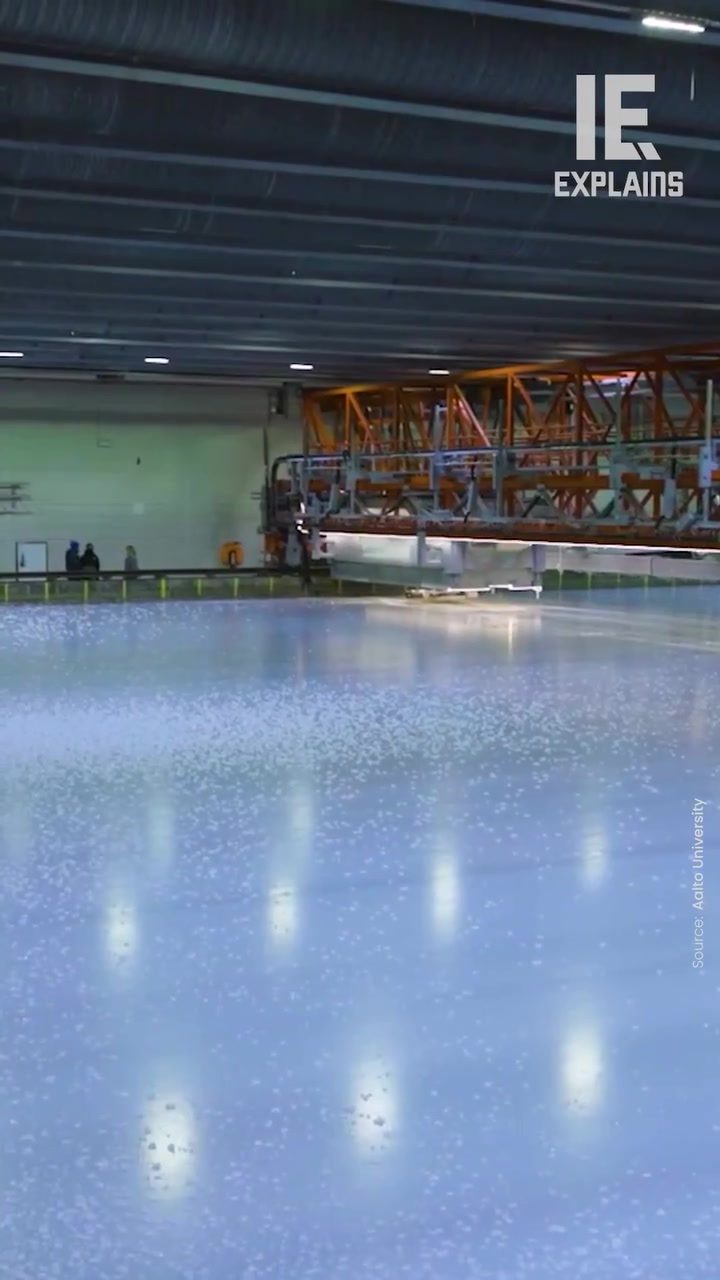
Deep inside a warehouse in Espoo, Finland, engineers are tackling one of the most pressing issues of our time: the rapidly changing Arctic. The Aalto Ice and Wave Tank, the world’s largest ice tank by surface area, is at the forefront of this effort. This unique facility is not only the largest of its kind but also the only one capable of generating both sea ice and multidirectional waves simultaneously. This capability is crucial as the Arctic warms and retreats, pushing more ships, offshore wind turbines, and other infrastructure into ice-covered waters they were never designed to navigate.
Context / Why This Matters
The Arctic is warming at an alarming rate, four times faster than the rest of the planet. As sea ice retreats, the engineering challenges in these frozen seas are multiplying faster than our ability to solve them. More ships are entering ice-covered waters, and offshore wind farms are being built in areas that were previously inaccessible. This shift necessitates advanced research and preparation to ensure that these structures can withstand the harsh conditions of the Arctic.
The Aalto Ice and Wave Tank: A Unique Research Facility
The Environment
The Aalto Ice and Wave Tank is a 40 by 40-meter tank, meticulously controlled to simulate Arctic conditions. The facility is windowless to prevent biological growth in the water, which would cloud visibility during experiments. The air inside smells faintly of solvent, and the temperature is maintained at a chilly -11 degrees Celsius. Every few years, the water in the tank becomes murky, requiring a complete drain and refill from scratch.
Creating Artifical Ice
Growing the ice sheet is a meticulous process. Engineers spray ethanol into the freezing air, creating millions of microscopic seed crystals. These tiny droplets freeze on impact, forming a perfect, uniform layer of ice. The target thickness of the ice sheet ranges from 2.5 to 7.5 centimeters, and temperature adjustments are made to consolidate the ice properties. The resulting ice is intentionally weak to replicate the mechanical properties of real sea ice at a 1:30 scale.
The Engineering Challenges
As the Arctic warms, more ships and offshore structures are entering ice-covered waters. These vessels and structures were never designed for such extreme conditions, leading to a multitude of engineering challenges. The Aalto Ice and Wave Tank helps engineers prepare for these issues by simulating the harsh Arctic environment. The tank’s ability to generate multidirectional waves allows for comprehensive testing of how structures and ships interact with sea ice and waves.
Practical Tips for Engineers Working in Arctic Conditions
For engineers working in Arctic conditions, several practical tips can be derived from the research conducted at the Aalto Ice and Wave Tank:
- Use Scaled Models: The tank uses scaled models to replicate the mechanical properties of real sea ice. This approach allows engineers to test structures and ships in a controlled environment before deploying them in the Arctic.
- Focus on Weakness: The ice in the tank is intentionally weak to replicate real sea ice. Engineers should focus on the weaknesses of their designs and how they interact with the ice.
- Simulate Real Conditions: Use facilities that can simulate real Arctic conditions, including multidirectional waves and varying ice thicknesses, to ensure structures can withstand the harsh environment.
- Regular Maintenance: Regularly check and maintain your designs to ensure they can withstand the changing conditions of the Arctic.
Important Takeaways
- The Aalto Ice and Wave Tank is a critical facility for simulating Arctic conditions and testing the resilience of ships and offshore structures.
- The Arctic is warming rapidly, and more infrastructure is moving into ice-covered waters, creating new engineering challenges.
- The tank's ability to generate multidirectional waves and simulate real sea ice properties makes it a unique tool for engineers.
- Engineers should focus on the weaknesses of their designs and use scaled models to test them in controlled environments.
Conclusion
The Aalto Ice and Wave Tank in Espoo, Finland, is a pioneering facility that plays a crucial role in preparing for the engineering challenges posed by the warming Arctic. By simulating the harsh conditions of the Arctic, engineers can develop more resilient structures and ships, ensuring they can withstand the increasingly unpredictable environment. As the Arctic continues to change, facilities like this will be instrumental in staying ahead of the engineering challenges that lie ahead.
Watch the Reel
Questions readers ask
What makes the Aalto Ice and Wave Tank unique among Arctic research facilities?
The Aalto Ice and Wave Tank is unique due to its size—it's the world's largest ice tank by surface area—and its dual capability to generate both sea ice and multidirectional waves simultaneously. This combination allows for comprehensive testing and preparation for real-world Arctic conditions.
How does the Aalto Ice and Wave Tank contribute to understanding global warming's impact on the Arctic?
By simulating the harsh conditions of the Arctic and generating sea ice, the tank helps engineers understand how global warming affects icy waters. This insight is crucial for designing infrastructure that can withstand the changing environment, such as ships and offshore wind turbines.
What types of engineering challenges are addressed at the Aalto Ice and Wave Tank?
The facility focuses on engineering challenges related to the Arctic, such as designing vessels and structures that can navigate and operate in icy, wave-swept waters. This includes testing materials, structures, and technologies in realistic Arctic conditions.
Why is the ability to generate multidirectional waves important for Arctic research?
Generating multidirectional waves is vital because it mimics the complex and unpredictable wave patterns found in the Arctic. This helps engineers better understand and prepare for the dynamic conditions that ships and infrastructure may encounter in these icy waters.
What kinds of infrastructure can be tested in the Aalto Ice and Wave Tank?
The tank can test a variety of infrastructure, including ships, offshore wind turbines, and other structures designed for Arctic environments. This testing ensures that these infrastructures can function safely and effectively in the harsh conditions of the icy waters.
How does the Aalto Ice and Wave Tank support the development of Arctic engineering technologies?
The tank provides a controlled environment to test and develop new technologies aimed at Arctic engineering. By simulating real-world conditions, engineers can innovate and refine technologies such as ice-resistant materials, navigation systems, and structural designs tailored for Arctic use.
What role does the Aalto Ice and Wave Tank play in Finland’s Arctic research efforts?
The Aalto Ice and Wave Tank enhances Finland’s expertise in Arctic research by providing a state-of-the-art facility for hands-on testing and development. This helps Finland stay at the forefront of Arctic engineering and climate impact studies, contributing to global efforts in understanding and adapting to the changing Arctic environment.
Related deep dives
Similar reads based on topic and creator.



Recent articles
Fresh deep dives from the latest Reels we unpacked.




Comments
Be the first to comment.