Inflation and Energy Prices
The relationship between energy prices and inflation is a complex and dynamic one, with energy supply disruptions having far-reaching effects on various sectors, from food prices to electricity and consumer sentiment. Since Russia’s invasion of Ukraine, these effects have become even more pronounced, making it crucial to examine how energy shocks of the past compare to the current situation.
Context: Why This Matters
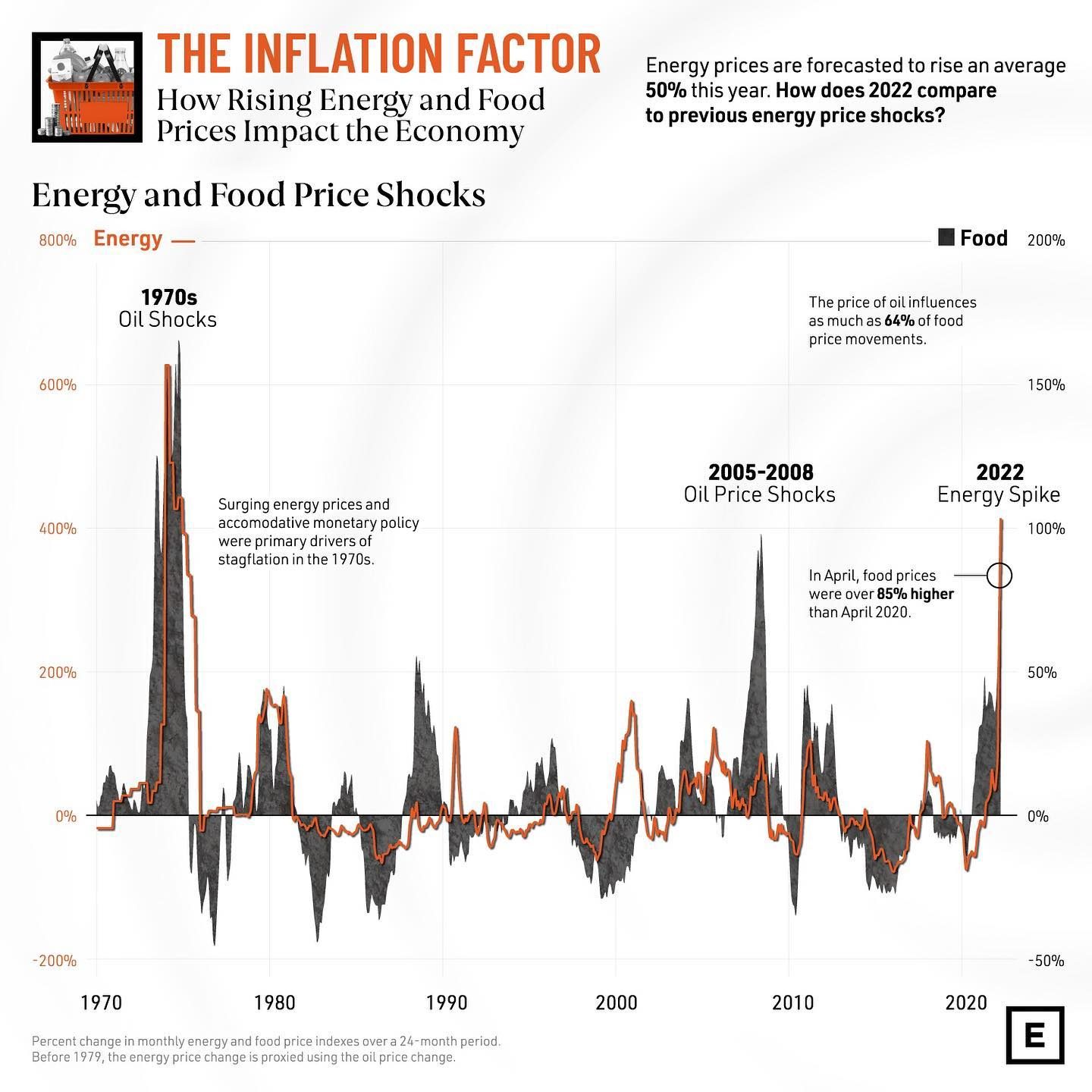
Energy prices are a significant driver of inflation, and understanding their historical impact can provide valuable context for current economic trends. The price of oil, in particular, has a profound influence on food prices, with fluctuations in oil prices often leading to similar movements in food costs. This interplay has been evident in past energy shocks, such as those in the 1970s and 2005-2008, and is once again at the forefront as we navigate the 2022 energy spike.
Main Discussion
Historical Energy Shocks
The 1970s Oil Shocks
The 1970s saw some of the most significant oil shocks in history, triggered by events like the OPEC embargo and the Iranian Revolution. These shocks led to a dramatic increase in oil prices, which in turn drove up the cost of food and other essential goods. The ripple effects were felt globally, leading to economic instability and recessions in many countries.
The 2005-2008 Oil Price Shocks
The 2005-2008 period was marked by another significant oil price shock, driven by a combination of supply disruptions and increased demand from emerging economies. This period saw oil prices surge to record highs, leading to a corresponding increase in food prices. The interconnection between energy and food prices was once again evident, highlighting the vulnerability of the global economy to energy price fluctuations.
The 2022 Energy Spike
The 2022 energy spike, sparked by Russia’s invasion of Ukraine, has led to a significant increase in both energy and food prices. In April 2022, food prices were over 85% higher than in April 2020, reflecting the profound impact of energy supply disruptions on the global economy. This spike has been influenced by a variety of factors, including the release of strategic petroleum reserves by OECD countries and the broader geopolitical landscape.
Current Trends and Comparisons
Energy prices are forecasted to rise by an average of 50% this year, a trend that has significant implications for inflation and economic stability. The current situation is reminiscent of past energy shocks, with the price of oil influencing as much as 64% of food price movements. This historical context is crucial for understanding the potential long-term effects of the 2022 energy spike and for developing strategies to mitigate its impact.
Practical Tips
Understanding the relationship between energy and food prices can help individuals and businesses make more informed decisions. Here are some practical tips for navigating the current economic climate:
For Individuals
- Budgeting and Planning: Assess your current spending habits and identify areas where you can cut back. Focus on essential expenses and consider reducing discretionary spending.
- Energy Efficiency: Implement energy-saving measures at home, such as using energy-efficient appliances, insulating your home, and reducing unnecessary energy use.
- Diversify Food Sources: Explore alternative food sources, such as local farmers' markets or community-supported agriculture (CSA) programs, which may offer better prices and fresher produce.
For Businesses
- Supply Chain Management: Assess your supply chain for vulnerabilities related to energy and food price fluctuations. Consider diversifying your suppliers and building buffer stocks to mitigate potential disruptions.
- Energy Efficiency: Implement energy-saving measures in your operations, such as upgrading to energy-efficient equipment and optimizing energy use.
- Pricing Strategies: Adjust your pricing strategies to account for increased input costs, but be mindful of the impact on consumer demand and market competition.
Important Takeaways
Understanding the historical context of energy shocks and their impact on food prices is crucial for navigating the current economic landscape. Key takeaways include:
- Energy and Food Price Interdependence: The price of oil has a significant influence on food prices, with fluctuations in oil prices often leading to similar movements in food costs.
- Historical Context: Past energy shocks, such as those in the 1970s and 2005-2008, provide valuable insights into the potential long-term effects of the 2022 energy spike.
- Current Trends: The 2022 energy spike has led to a significant increase in both energy and food prices, with food prices in April 2022 being over 85% higher than in April 2020.
Conclusion
Energy supply disruptions and their impact on inflation and food prices are complex issues that require a nuanced understanding of historical trends and current economic dynamics. By examining past energy shocks and their effects, individuals and businesses can better prepare for the challenges ahead and develop strategies to mitigate the impact of energy price fluctuations. Staying informed and proactive is key to navigating the current economic landscape and ensuring long-term stability.
Watch the Reel
Questions readers ask
How do energy price shocks in 2022 compare to those in the 1970s?
The 2022 energy price shocks are similar to those in the 1970s in that both were driven by significant geopolitical events: the 1970s shocks were sparked by the Oil Collapse, while the 2022 shocks were triggered by Russia’s invasion of Ukraine, and both resulted in substantial price increases and economic uncertainty. However, the 2022 shocks occurred in a more interconnected global economy, amplifying their effects on various sectors, including food and electricity.
What historical data can provide insights into the current energy price changes?
Historical energy price data from past shocks, such as the 1970s and 2005-2008, can offer valuable insights. By examining these periods, you can observe how energy prices have influenced inflation, food costs, and economic stability. This data helps in understanding the potential impacts of the current energy price changes and in forecasting future trends.
What is the connection between energy price shocks and food price inflation?
Energy price shocks often lead to increases in food prices due to the significant role energy plays in food production, transportation, and distribution. Fluctuations in oil prices, in particular, often result in similar movements in food costs. The recent energy price spikes have accentuated this effect, making the connection between energy and food prices more evident.
How do changes in energy reserves influence current energy price changes?
Changes in energy reserves significantly impact current energy price changes. Reduced supplies due to geopolitical events, such as the 2022 Russia-Ukraine conflict, lead to an imbalance between supply and demand, driving up prices. Monitoring energy reserves and their changes helps in understanding price volatility and predicting market trends.
Why are current energy prices so crucial for understanding economic trends?
Current energy prices are a key indicator of economic trends due to their significant influence on inflation. They impact various sectors, including food, electricity, and consumer sentiment. By analyzing current energy prices and their historical context, you can gain valuable insights into the broader economic landscape and the potential effects on various markets and industries.
Related deep dives
Similar reads based on topic and creator.


Recent articles
Fresh deep dives from the latest Reels we unpacked.




Comments
Be the first to comment.