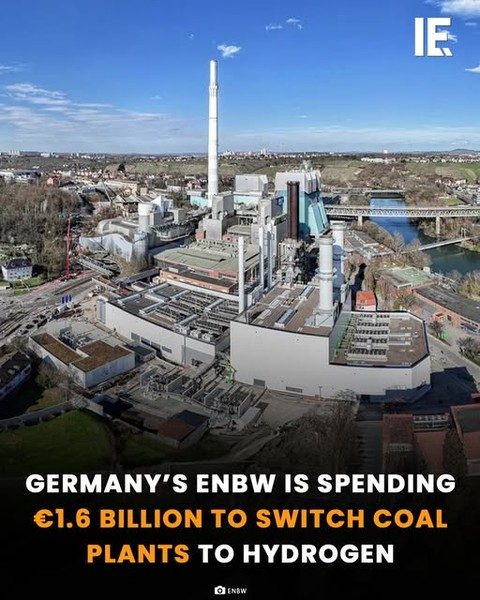
Hydrogen Energy Transition: ENBW's Investment in Cleaner Power
German energy company ENBW is making significant strides in the hydrogen energy transition by investing €1.6 billion to convert three coal-fired power plants in Stuttgart, Altbach, and Heilbronn into hydrogen-ready facilities. This ambitious project aims to deliver 1.5 GW of cleaner energy and supply district heating to over 28,000 homes and businesses. With Siemens providing the turbines, the plants will initially operate on a blend of natural gas and hydrogen, with a target to achieve 100 percent hydrogen use by the mid-2030s.
Why This Matters
The shift from coal to hydrogen is a critical step in reducing carbon emissions and mitigating climate change. Hydrogen is a versatile energy carrier that can be produced from renewable sources, making it a sustainable alternative to fossil fuels. By converting coal plants to hydrogen, ENBW is not only reducing greenhouse gas emissions but also positioning itself as a leader in the energy transition.
Transitioning to Hydrogen: The ENBW Initiative
The Investment and Its Scope
ENBW's €1.6 billion investment is a significant commitment to the hydrogen energy transition. The funds will be used to upgrade three coal-fired power plants in Stuttgart, Altbach, and Heilbronn. These plants will be converted to operate on hydrogen, delivering 1.5 GW of cleaner energy. This transition will reduce the carbon footprint of these power plants and contribute to Germany's decarbonization efforts.
The Role of Siemens
Siemens will supply the turbines for the upgraded plants. The initial phase will involve operating the plants on a blend of natural gas and hydrogen. This transitional step will allow for a smoother shift to 100 percent hydrogen use, which is expected to be achieved by the mid-2030s. Siemens' technology will be crucial in ensuring the efficient and reliable operation of these plants during the transition period.
Environmental Benefits
One of the primary benefits of this transition is the reduction in greenhouse gas emissions. Hydrogen, when produced from renewable sources, is a clean and sustainable fuel. By converting coal plants to hydrogen, ENBW is significantly reducing the environmental impact of these power plants. The upgraded facilities will supply district heating to over 28,000 homes and businesses, providing a cleaner energy source for communities.
Practical Tips for the Hydrogen Energy Transition
Assessing Feasibility
For energy companies considering a transition to hydrogen, it is essential to conduct a thorough feasibility study. This should include an assessment of the existing infrastructure, potential sources of hydrogen, and the economic viability of the project. Engaging with experts and technology providers, such as Siemens, can provide valuable insights and support.
Planning for Transition
A well-planned transition is crucial for the success of hydrogen energy projects. This involves phased implementation, where plants initially operate on a blend of natural gas and hydrogen before fully transitioning to hydrogen. This approach allows for a smoother transition and minimizes disruptions to energy supply.
Investing in Research and Development
Continuous research and development are essential for advancing hydrogen technology. Investing in R&D can lead to innovations that improve the efficiency, cost-effectiveness, and sustainability of hydrogen production and use. Collaboration with academic institutions and other industry players can accelerate these advancements.
Engaging with Communities
Engaging with local communities is vital for the success of energy transition projects. This includes communicating the benefits of the transition, addressing concerns, and involving communities in the decision-making process. Building support and cooperation with local stakeholders can help ensure a smoother transition and long-term success.
Key Takeaways
ENBW's investment in converting coal-fired power plants to hydrogen-ready facilities is a significant step in the energy transition. The project demonstrates the feasibility and benefits of transitioning to cleaner energy sources. Key takeaways include:
- The importance of substantial investment in sustainable energy projects.
- The role of advanced technology and partnerships in achieving clean energy goals.
- The environmental benefits of transitioning from coal to hydrogen.
- The need for thorough planning, research, and community engagement in energy transition projects.
Conclusion
The hydrogen energy transition is a crucial step in achieving a sustainable future. ENBW's investment in converting coal-fired power plants to hydrogen-ready facilities sets a strong example for other energy companies. By leveraging advanced technology, thorough planning, and community engagement, ENBW is paving the way for a cleaner, more sustainable energy landscape. This initiative underscores the potential of hydrogen as a versatile and clean energy carrier, contributing to global efforts in decarbonization and climate action.
Watch the Reel
Questions readers ask
What is the total investment by ENBW for the hydrogen conversion project?
ENBW is investing a total of €1.6 billion to convert three coal-fired power plants into hydrogen-ready facilities in Germany.
Which cities will host the new ENBW hydrogen power plants?
The new hydrogen power plants will be located in Stuttgart, Altbach, and Heilbronn.
What is the expected energy output from the ENBW hydrogen project?
The project aims to produce 1.5 GW of cleaner energy, significantly reducing carbon emissions.
How many homes and businesses will benefit from the ENBW hydrogen energy transition?
The initiative will support district heating for over 28,000 homes and businesses, enhancing local energy security and sustainability.
Which company is providing the turbines for the ENBW hydrogen power plants?
Siemens is supplying the turbines that will initially operate on a blend of natural gas and hydrogen, with a goal of transitioning to 100 percent hydrogen by the mid-2030s.
What is the target timeline for achieving 100 percent hydrogen use in the ENBW hydrogen power plants?
ENBW aims to achieve 100 percent hydrogen use by the mid-2030s, making these plants fully sustainable and emission-free.
What are the expected benefits of converting coal-fired power plants to hydrogen in Germany?
The conversion to hydrogen will significantly reduce carbon emissions, support district heating, and position ENBW as a leader in the transition to cleaner, more sustainable energy sources.
Related deep dives
Similar reads based on topic and creator.


Recent articles
Fresh deep dives from the latest Reels we unpacked.




Comments
Be the first to comment.