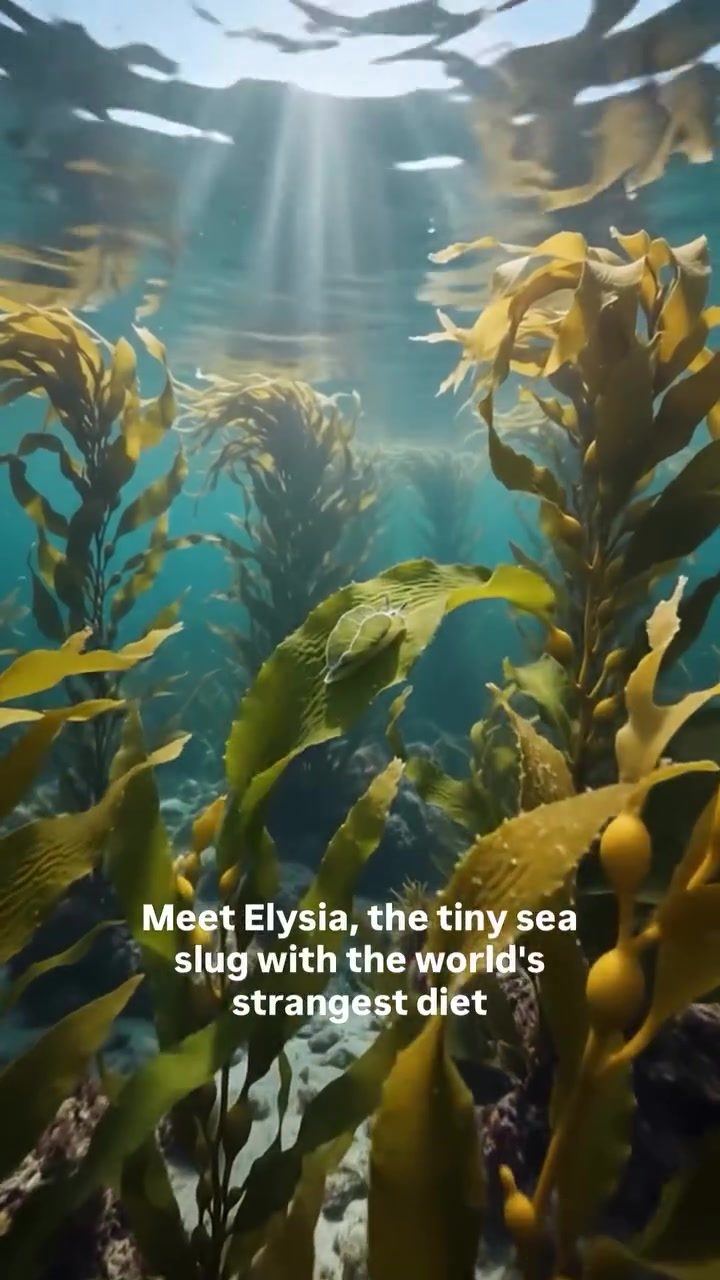
The Extraordinary World of the Elysia Slug: Stealing Chloroplasts
The Elysia slug, a tiny sea creature, possesses one of the most unusual diets in the animal world. This slug doesn't just consume algae; it steals the chloroplasts from these plants to perform photosynthesis, effectively using sunlight to produce its own energy. This incredible process, known as kleptoplasty, makes the Elysia slug one of the few animals on Earth capable of such a feat.
Why This Matters
The Elysia slug's unique ability to incorporate stolen chloroplasts into its own metabolism challenges conventional understandings of animal and plant relationships. Understanding this process could reveal new insights into energy production, metabolic processes, and the boundaries between different types of organisms. Additionally, delving into the Elysia slug's biology is a fascinating journey into the vast and intricate world of marine life.
The Intricacies of Kleptoplasty
The Elysia Slug's Diet
Unlike most animals, the Elysia slug doesn't merely consume its food. Instead, it engages in a sophisticated process of kleptoplasty, which involves stealing chloroplasts from algae. Chloroplasts are the organelles in plant cells responsible for photosynthesis, the process by which plants convert light energy into chemical energy, typically glucose. The slug uses a unique tongue structure, known as a radula, to break into algae cells and extract these chloroplasts. Rather than digesting the chloroplasts, the slug incorporates them into its own cells, allowing it to harness the energy produced through photosynthesis.
How Chloroplasts Work in the Slug
The stolen chloroplasts continue to function within the Elysia slug, performing photosynthesis and providing the slug with extra energy. However, these chloroplasts are not permanently incorporated into the slug's cells; they are essentially borrowed. Over time, they wear out, and the slug replaces them by stealing fresh chloroplasts from new algae cells.
The Scientific Mystery
Scientists are still unraveling the intricacies of this process. For instance, they are curious about how the slug manages to keep the chloroplasts functional for an extended period. The chloroplasts can remain active for weeks, providing the slug with a continuous energy source. This ability challenges conventional understanding of how chloroplasts function outside of their native plant cells and suggests that the Elysia slug has developed unique mechanisms to maintain these organelles.
Practical Tips for Understanding Marine Life
Observing the Elysia slug offers a unique glimpse into the complex and often surprising behaviors of marine life. To deepen your understanding, consider the following tips:
Explore Marine Biology
Marine biology is a vast field with countless amazing creatures like the Elysia slug. Dive into books, documentaries, and online resources to learn more about these fascinating organisms and their habitats.
Study Photosynthesis
Understanding photosynthesis is key to grasping the Elysia slug's unique diet. Explore resources on how plants convert sunlight into energy and how this process might be adapted by other organisms.
Engage with Scientific Research
Follow scientific journals and publications to stay updated on the latest discoveries related to marine life and photosynthesis. The Elysia slug is just one of many creatures that scientists are studying, and new insights are continually emerging.
Important Takeaways
The Elysia slug's ability to steal and use chloroplasts from algae is a remarkable example of how animals can adapt and evolve in surprising ways. This process, known as kleptoplasty, challenges traditional distinctions between plants and animals and offers valuable insights into energy production and metabolic processes.
Conclusion
The Elysia slug represents a fascinating intersection of plant and animal biology. By incorporating stolen chloroplasts, this tiny sea slug demonstrates an extraordinary adaptation that allows it to harness the power of sunlight. Understanding this process not only deepens our appreciation for the wonders of nature but also opens new avenues for scientific exploration and discovery.
Watch the Reel
Questions readers ask
What exactly are chloroplasts and why does the Elysia slug steal them?
Chloroplasts are organelles found in plant cells and algae that conduct photosynthesis, converting sunlight into chemical energy. The Elysia slug steals these chloroplasts to integrate them into its own cells, allowing it to produce energy from sunlight through a process called kleptoplasty.
How does the Elysia slug use the stolen chloroplasts?
Once the Elysia slug steals chloroplasts, it incorporates them into its own cells. These chloroplasts then function within the slug's tissues, allowing it to produce energy directly from sunlight, much like a plant. This process enables the slug to survive and even thrive in environments where food is scarce.
Is the Elysia slug the only animal known to perform kleptoplasty?
No, but it is one of the most well-known examples. A few other sea slugs and some other marine organisms also exhibit this behavior. Kleptoplasty is a rare and fascinating capability among animals, making the Elysia slug a subject of significant interest.
How does the Elysia slug's diet differ from other herbivorous animals?
Unlike other herbivorous animals that consume plants or algae whole, the Elysia slug specifically targets the chloroplasts within algae cells. By doing so, it effectively uses the algae as a renewable energy source, rather than just a meal. This unique diet allows the slug to maintain a steady energy supply without constantly needing to find and consume new food.
Related deep dives
Similar reads based on topic and creator.

Recent articles
Fresh deep dives from the latest Reels we unpacked.


Comments
Be the first to comment.